The Definitive Guide to Manta Point Komodo: Our Method, Expertise, and Commitment

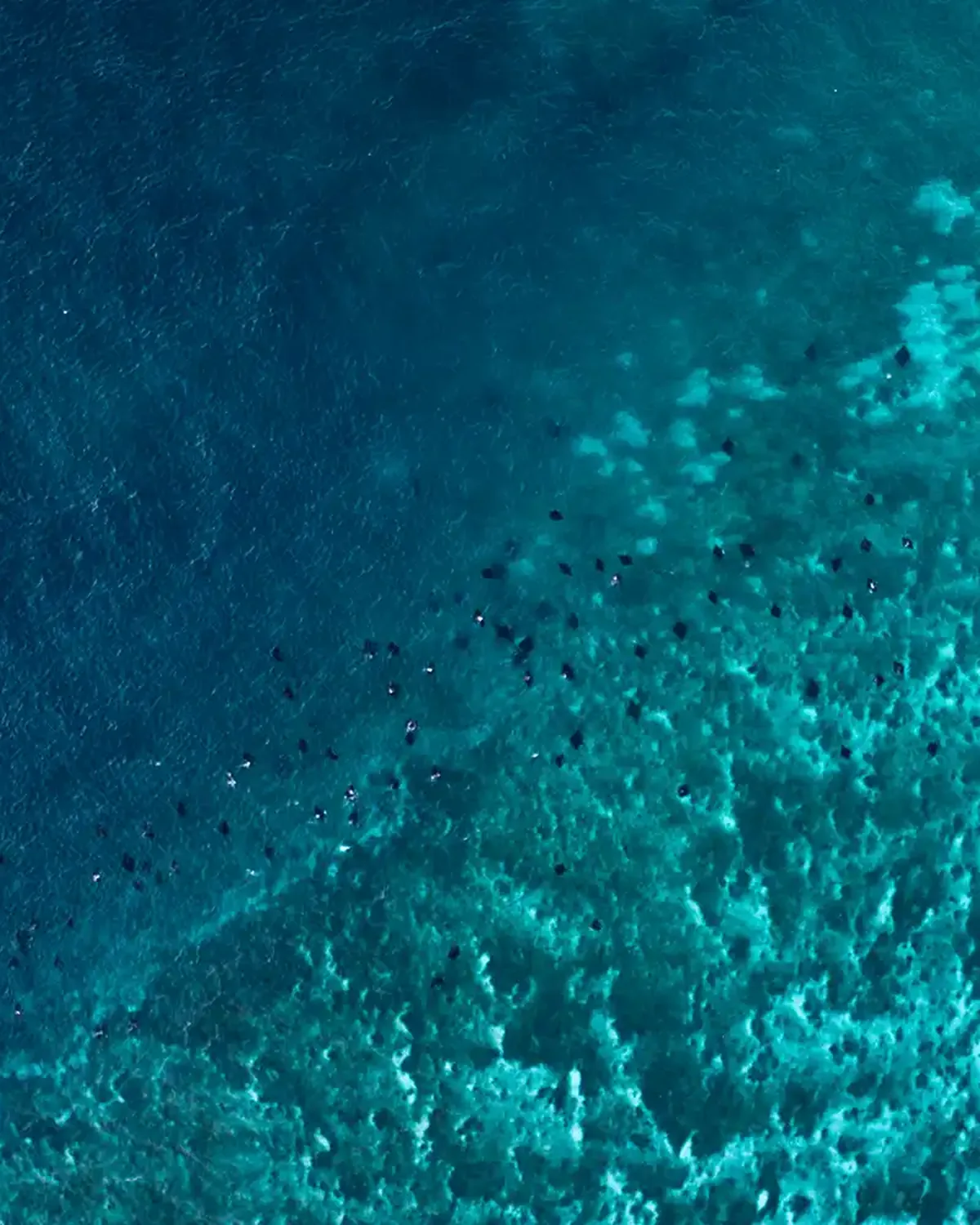
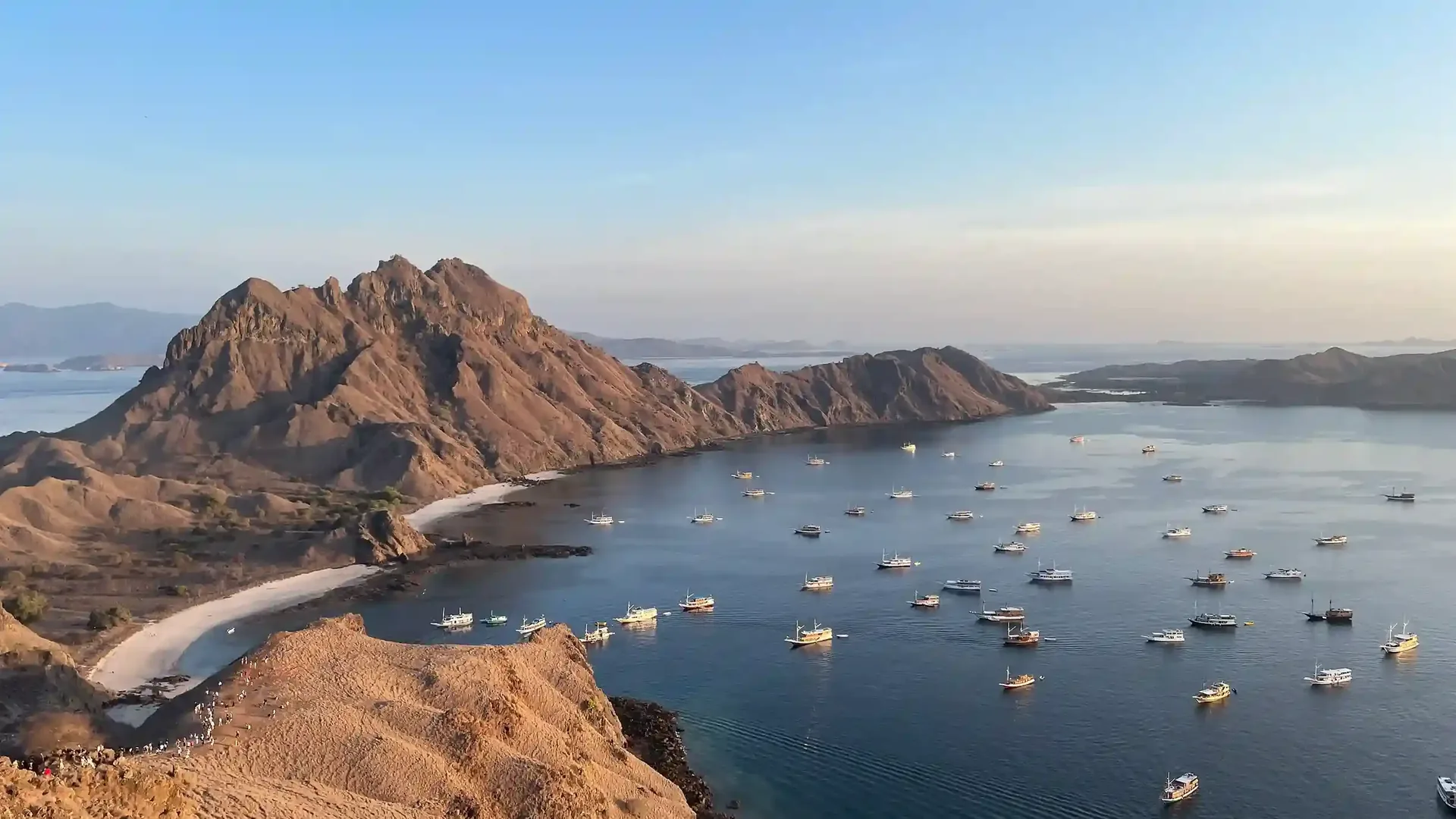
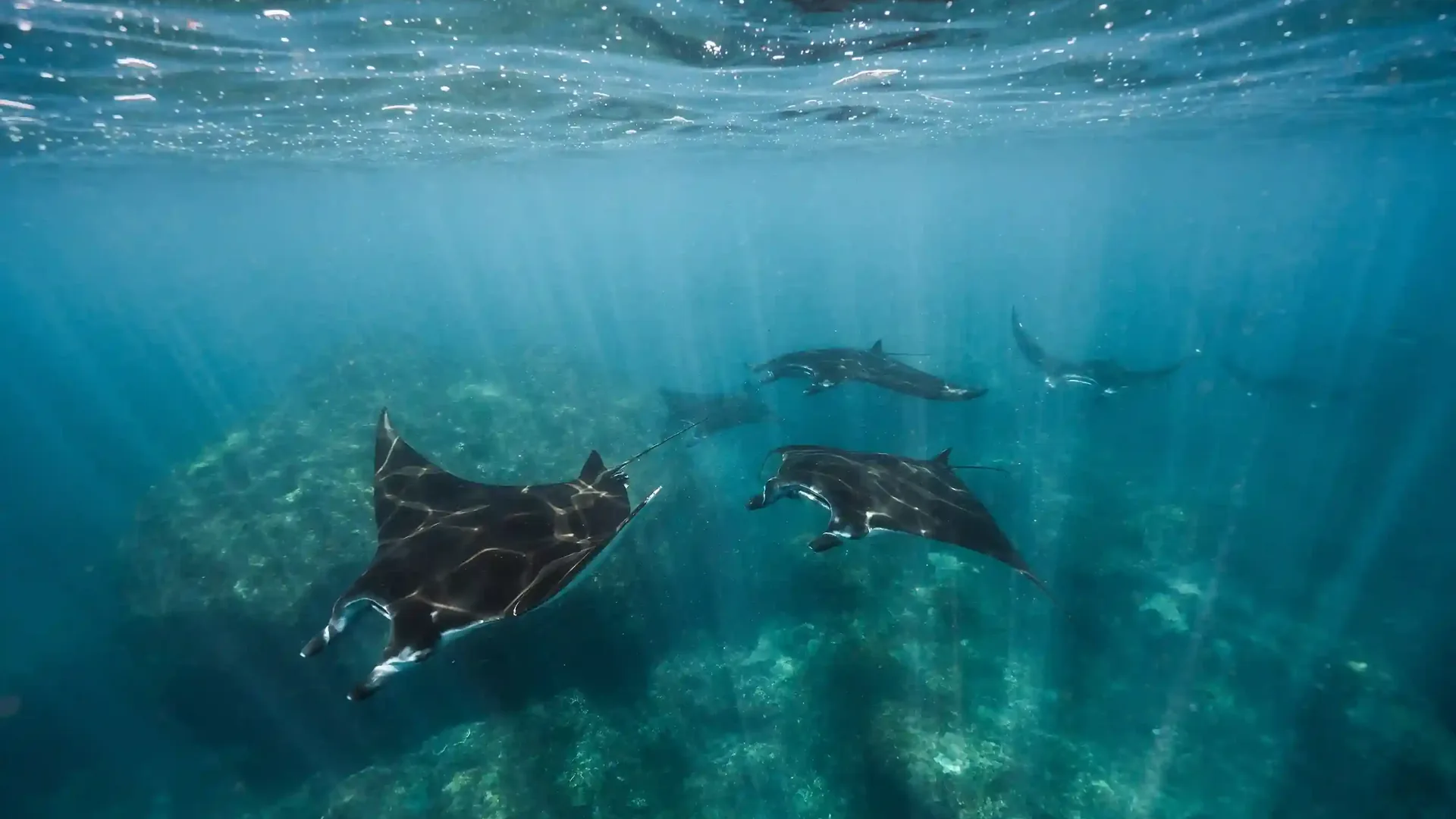
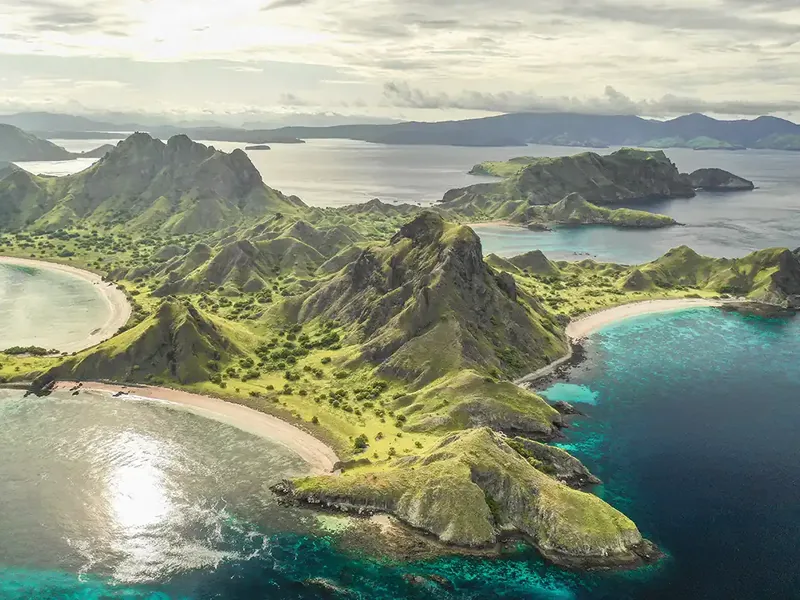
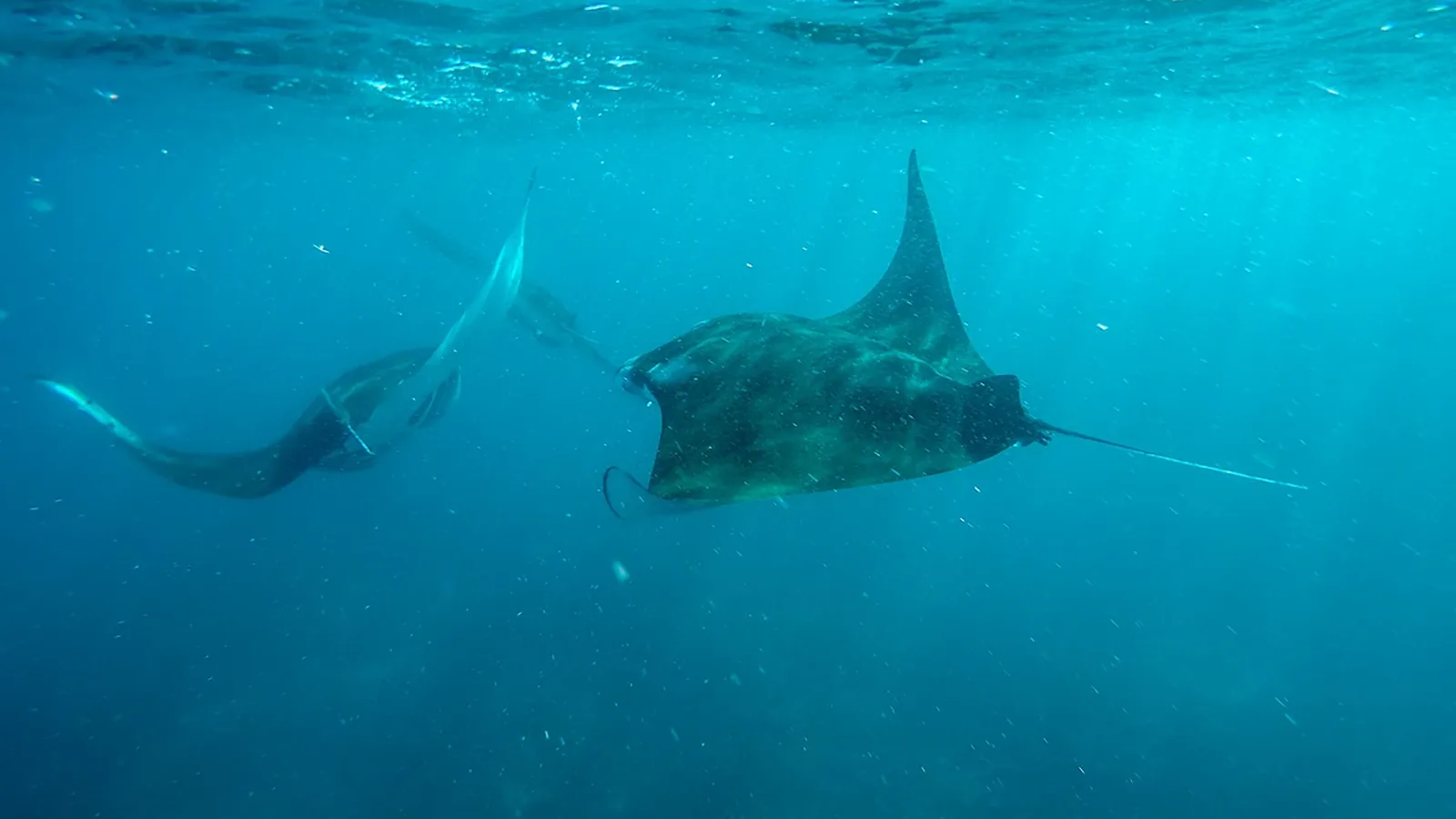
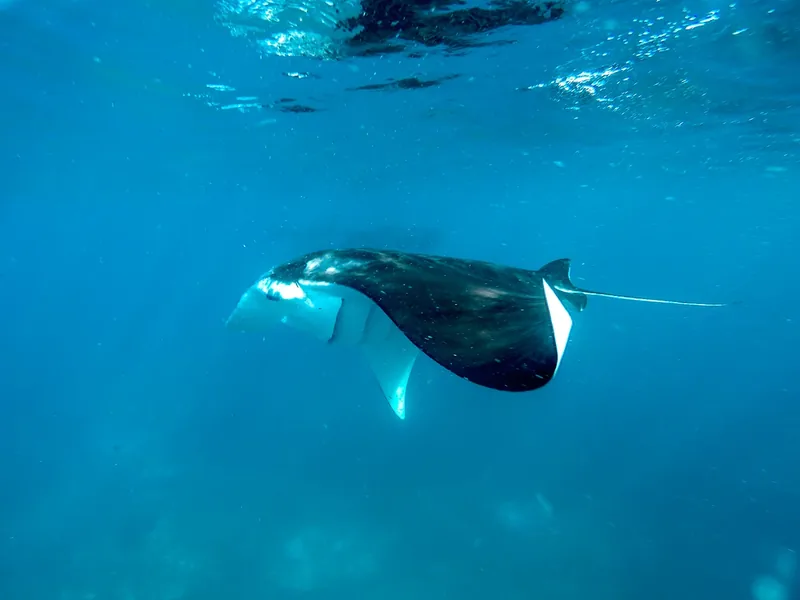
The waters between the islands of Komodo and Rinca function as a vast channel, a critical part of the Indonesian Throughflow that exchanges water between the Pacific and Indian Oceans. Within this dynamic environment lies Karang Makassar, a dive site more commonly known as Manta Point. It is not a reef in the conventional sense, but a 2-kilometer-long channel of coral rubble, scoured by currents that can exceed six knots. This specific geography creates an ideal feeding and cleaning ground for congregations of Reef Manta Rays (Mobula alfredi). Manta Point Komodo was founded on a singular principle: to provide access to this profound marine spectacle with a methodology that prioritizes safety, environmental responsibility, and the quality of the encounter itself over volume.
The Manta Point Komodo Origin: A Diver-Centric Philosophy Since 2018
Manta Point Komodo was established in 2018 by founder Adrian Suharto, a former Jakarta-based financier and PADI Divemaster with over 3,000 logged dives. After years of visiting Labuan Bajo and witnessing the rapid expansion of tourism, Suharto identified a critical gap in the market. The majority of operators approached Karang Makassar with a one-size-fits-all itinerary, often arriving at suboptimal times and with large, mixed-ability groups. This frequently resulted in brief, chaotic encounters that failed to do justice to the location’s potential and, more critically, placed undue stress on the manta ray population. See also: explore Contact.
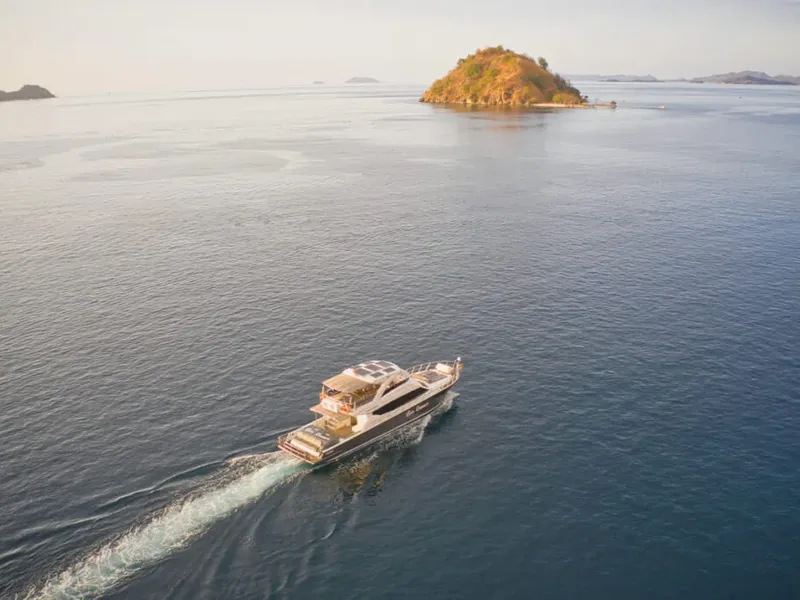
The founding insight was that a superior komodo manta dive required a specialized, data-driven approach. With an initial investment of USD 450,000, the company acquired its first custom-built 14-meter fiberglass speedboat, the Arus (Indonesian for ‘current’), and established a small, highly experienced team. The mission, formalized in a charter dated October 12, 2018, was to operate exclusively with small groups, leverage precise tidal predictions for itinerary planning, and employ only senior PADI instructors with extensive local knowledge of Komodo National Park’s challenging hydrodynamics. This philosophy rejected the high-volume, low-margin model, focusing instead on delivering a controlled, respectful, and deeply engaging marine life interaction.
Our Curation Method: Precision Planning for Karang Makassar
An expedition with us is the result of meticulous, multi-layered planning that begins long before our guests step aboard. The experience at Karang Makassar Komodo is dictated almost entirely by the currents, which are governed by the bi-monthly spring and neap tide cycles. Our operations team analyzes tidal charts weeks in advance, identifying windows where the current is flowing at an optimal velocity—typically between 1.5 and 3 knots. This is the ideal speed for a successful drift dive or snorkel, strong enough to carry participants along the rubble fields where mantas congregate, but manageable enough for certified divers and experienced snorkelers. We simply do not operate trips to the site if conditions are forecast to be outside these parameters.
This precision extends to our group composition and vessel specification. Our core principles include:
- Strict Guide-to-Guest Ratios: We maintain a maximum ratio of four divers to one PADI Instructor. For snorkelers, the ratio is six guests to one dedicated snorkel guide. This ensures constant supervision and personalized attention in a dynamic open-water environment.
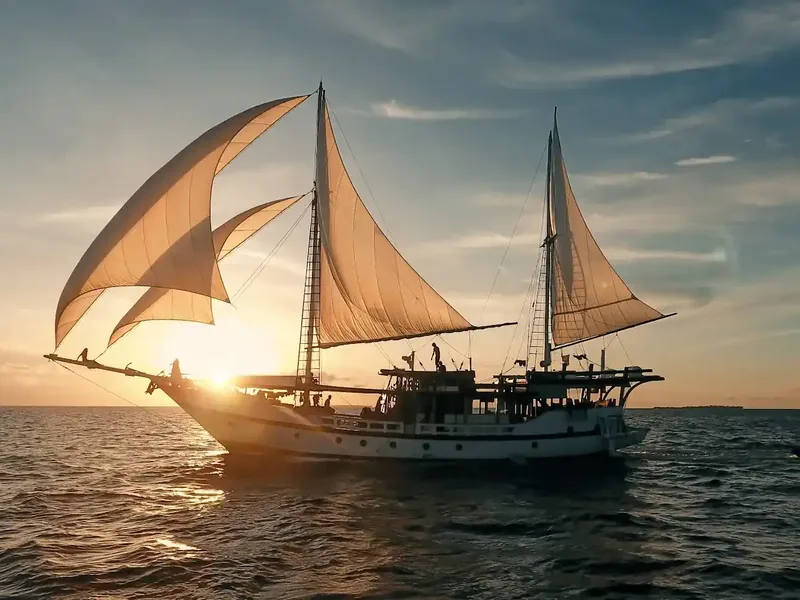
- Purpose-Built Vessels: Our fleet of three speedboats, including the original Arus, are specifically designed for dive operations in Komodo. Each 14-meter vessel is powered by twin Suzuki 250hp four-stroke engines, providing a cruising speed of 25 knots to maximize time at the sites and ensure a swift return to Labuan Bajo.
- Advanced Itinerary Mapping: A typical day trip is not limited to a single location. We pair the high-energy komodo manta dive with a visit to a calmer site like Manjarite Komodo or Siaba Besar for a second dive or snorkel, allowing for a more varied and balanced day in the park.
This methodical approach ensures that every departure is optimized for the best possible encounter, transforming a simple boat trip into a calculated expedition. It is a process that respects both the power of the ocean and the intelligence of our clients. See also: Manta Point Komodo Home.
The Manta Point Komodo Dive Team: PADI Professionals and Marine Stewards
The credibility of any dive operator rests on the expertise of its guides. At Manta Point Komodo, we consider our team to be our most significant asset. We do not employ seasonal or transient Divemasters. Our entire guide team is composed of PADI Master Scuba Diver Trainers (MSDT) or higher, with each guide holding a minimum of 2,500 logged dives specifically within the challenging currents of Komodo National Park. The lead guide on our flagship vessel, Herianto, is a local to Flores who has been guiding in these waters since 2005 and holds PADI IDC Staff Instructor credentials.
Trust is built upon verifiable safety standards. We are a corporate member of the Divers Alert Network (DAN) and adhere to a safety protocol that exceeds industry requirements. Every vessel is equipped with a 50-liter DAN-compliant oxygen kit, a satellite phone for emergency communication beyond cellular range, and comprehensive first-aid supplies. Our guides and boat crew undergo mandatory Emergency First Response (EFR) training, including CPR and First Aid, on a biannual basis, with the last certification update completed in August 2023. This rigorous preparation ensures we are equipped to manage any situation with professionalism and competence. Furthermore, our commitment extends to the marine environment itself. We are official partners of the Manta Trust, contributing sighting data from every trip to their global database and enforcing a strict code of conduct for manta ray interactions, briefed to all guests before they enter the water.
Beyond the Mantas: The Manjarite Komodo Cleaning Station and Coral Gardens
While the allure of Karang Makassar is central to our identity, a well-rounded day within Komodo National Park requires a diversity of experiences. Approximately 15 kilometers north of Labuan Bajo lies Manjarite, a site that offers a perfect counterpoint to the powerful currents of Manta Point. Characterized by its calm, protected waters and a gently sloping reef, Manjarite Komodo provides a superb opportunity for both divers and snorkelers to appreciate the region’s rich biodiversity in a relaxed setting.
The reef at Manjarite begins at a depth of just 2-3 meters and slopes down to around 15 meters. It is celebrated for its vibrant soft corals and dense populations of reef fish. Photographers find it particularly rewarding for macro subjects, from blue-spotted ribbon-tail rays (Taeniura lymma) resting in the sand to juvenile harlequin sweetlips hiding under table corals. For those on a komodo manta snorkel trip, Manjarite’s shallow coral gardens are easily accessible from the surface, offering long, leisurely explorations. We typically schedule a 60-minute stop at Manjarite after the morning’s activities at Karang Makassar, allowing guests to decompress, enjoy the underwater scenery, and appreciate the subtle complexities of Komodo’s marine ecosystem beyond its famous megafauna.
A Comparative Look: The Manta Point Komodo Difference
To provide clarity on our market positioning, we offer a direct comparison between our curated day expeditions and the standard trips commonly available from Labuan Bajo. The distinction lies in the details—details that directly influence safety, quality of experience, and environmental impact. The higher price point of our service, starting at USD 225 per person for a 3-dive day trip, reflects a significant investment in superior equipment, personnel, and operational protocols.
| Feature | Manta Point Komodo | Standard Komodo Day Trip Operator |
|---|---|---|
| Guide-to-Diver Ratio | 1:4 Maximum | 1:6 or 1:8, often higher |
| Guide Certification | PADI MSDT or higher | PADI Divemaster (minimum required) |
| Vessel Type | Custom 14m speedboat with twin 250hp engines | Converted wooden boat or smaller, slower fiberglass boat |
| Itinerary Planning | Based on precise tidal analysis for optimal current | Fixed daily schedule, regardless of tidal conditions |
| Safety Equipment | DAN O2 Kit, Satellite Phone, biannual EFR training | Basic O2 and first aid, variable training standards |
| Price Point (Diver) | From USD 225 | USD 120 – USD 160 |
The Komodo Manta Snorkel Experience: An Accessible Encounter
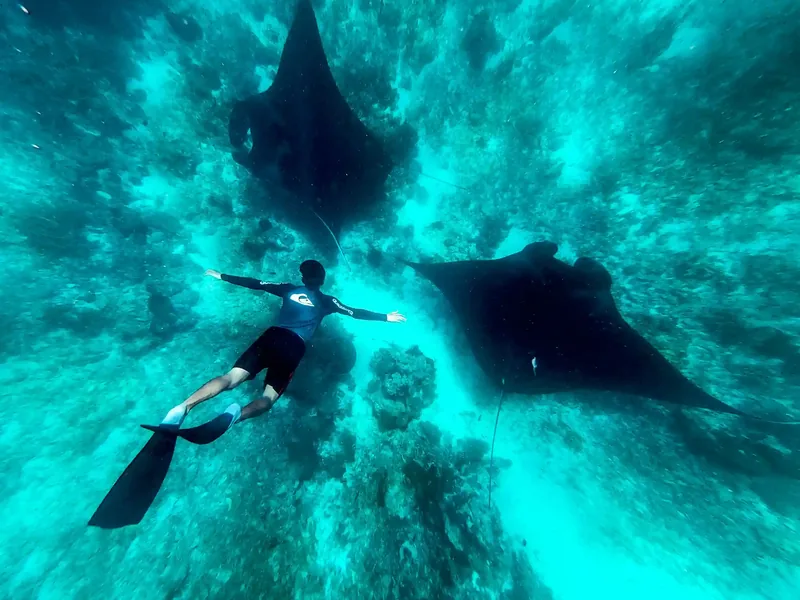
A significant portion of our clientele are not certified divers but are equally keen to witness the manta rays of Karang Makassar. We have developed a specific program for the komodo manta snorkel that is distinct from our diving operations, not merely an afterthought. The shallow nature of Karang Makassar, with depths ranging from just 3 to 8 meters across the main feeding areas, makes it an exceptional location for surface observation when conditions permit. Safety and procedure are paramount. Snorkelers are accompanied by a dedicated, in-water guide equipped with a high-visibility surface marker buoy.
The experience is entirely dependent on a drift snorkel, where guests enter the water upstream and allow the gentle current to carry them over the site. Our guides are trained to spot the mantas from the surface and to position the group for optimal, non-intrusive viewing. Briefings are extensive, covering how to use the current, how to maintain a safe distance from the animals, and proper snorkel techniques to conserve energy. We provide high-quality Cressi and Scubapro masks, snorkels, and full-foot fins to ensure comfort and efficiency in the water. This curated approach makes the komodo manta snorkel a viable and profound way to experience one of the planet’s great marine gatherings.
To discuss your private charter or reserve a place on one of our small-group expeditions to Karang Makassar and Manjarite, please contact our booking office. We advise booking at least 60 days in advance, particularly for travel between June and September.