Manta Point Komodo Guide | Snorkeling & Diving in Paradise

Manta Point Komodo Guide | Snorkeling & Diving in Paradise

What and Where is Manta Point?

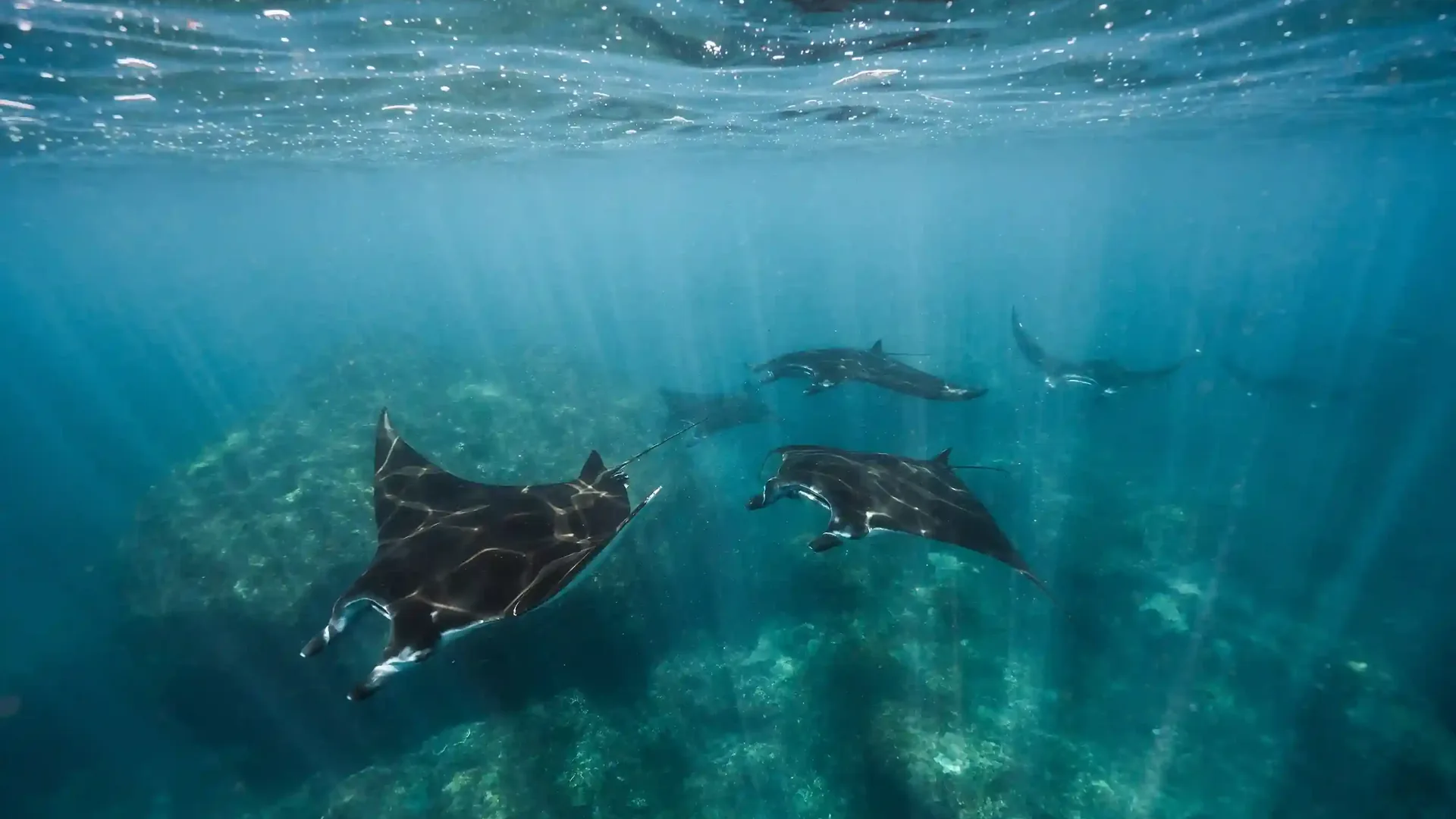
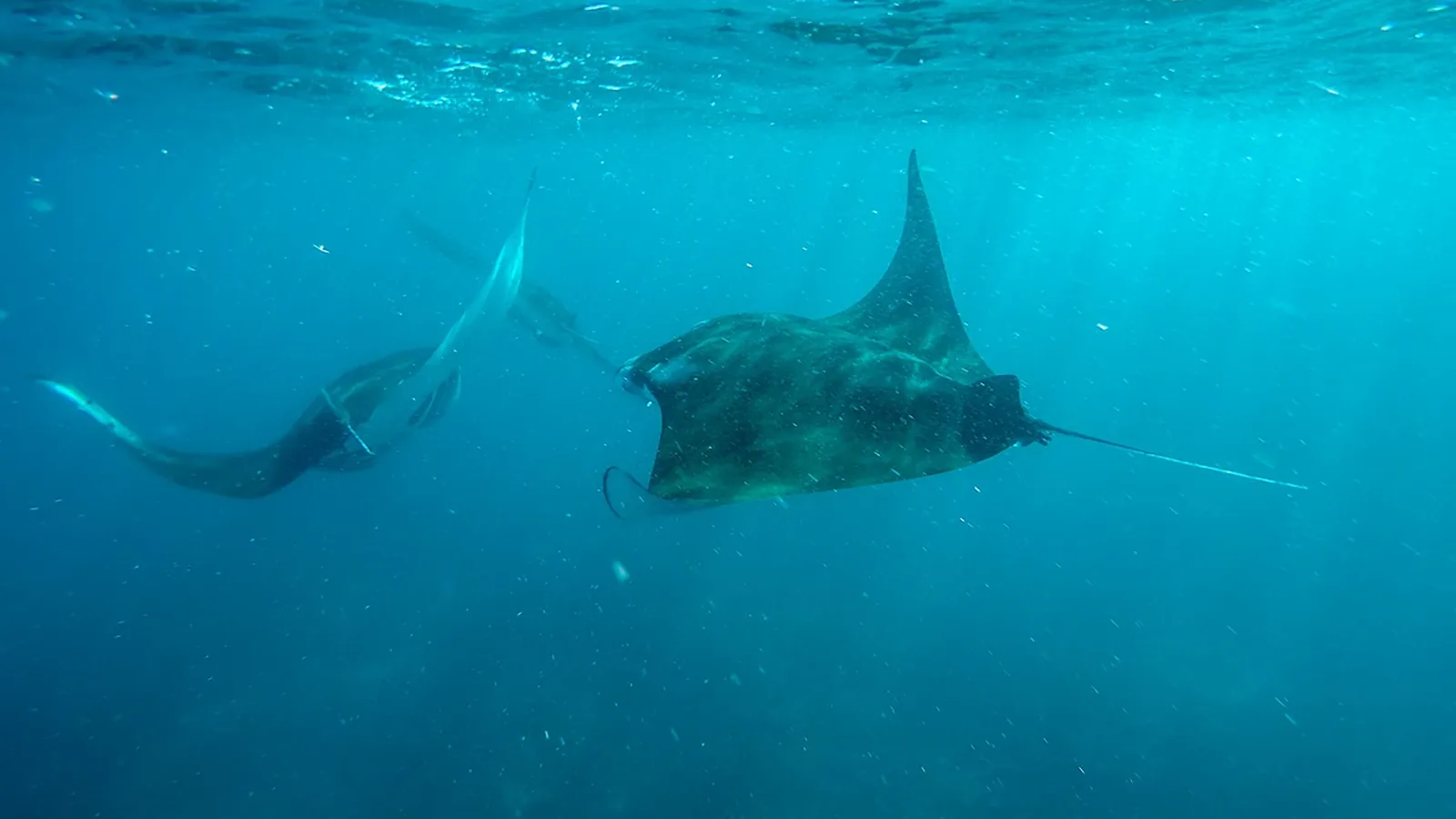
Manta Point, also known as Karang Makassar, is a vast 3 km-long shallow reef plateau located in the central part of Komodo National Park, positioned between Komodo and Tatawa Islands. This site offers snorkelers and divers a unique opportunity to witness the graceful reef manta rays in their natural habitat, engaging in feeding and cleaning behaviors.

Manta Alley vs Manta Point

While some refer to a distinct ‘Manta Alley’, it is not a separate site but rather part of the same channel where manta rays glide along cleaning stations. This area is renowned for its rich marine life and is a key feature of any Manta Alley Komodo adventure.

Reef vs Oceanic Mantas & the Cleaning Station

At Manta Point, you will encounter reef mantas (Mobula alfredi), not the larger oceanic mantas. These creatures are often seen near coral bommies where they go to feeding and cleaning stations. Here, cleaner fish such as wrasse remove parasites, providing a crucial service to the mantas.

Best Season/Months & Conditions

The best time for manta encounters is during the plankton blooms from December to February and the dry season from July to September. Although manta sightings are seasonal and not guaranteed, many operators report strong encounters from April to November. Conditions vary with the tide and moon phase, affecting current strength and visibility.

Snorkel vs Dive: Who Each Suits

Snorkeling and diving at Manta Point cater to all skill levels. The shallow depth (2–8 m for snorkeling, 8–18 m for diving) and drift-style access make it suitable for beginners and experienced divers alike. Visibility ranges from 10–25 meters, influenced by plankton blooms.

Getting There from Labuan Bajo & the Day Plan

Most tours depart from Labuan Bajo, taking approximately 2–3 hours by boat depending on current and vessel speed. A typical day involves exploring Manta Point, with options for a private charter for a more personalized experience.

What to Bring

Essential items include a wetsuit (27–29°C water), reef-safe sunscreen, a dry bag, towel, waterproof camera, and optional snorkel gear. There’s minimal coral to avoid, but be mindful of the rubble on the seabed.

Komodo Park Fees

All visitors to Komodo National Park must pay entry fees, typically ranging from 150,000–200,000 IDR per person per day. These fees may vary by operator and season, and it’s advisable to pay in IDR.

Ethical Manta-Watching Rules

Follow ethical guidelines: do not touch the mantas, maintain a distance of at least 3 meters, stay low and horizontal, and drift with the current to avoid startling them. These practices ensure a respectful and sustainable interaction with these magnificent creatures.

How to Choose & Book a Trip

When planning your manta experience, consider the operator’s reputation, trip inclusions, and ethical standards. Sightings are seasonal and not guaranteed, so choose operators who prioritize conservation and education.

Planning for 2027

While current park entry fees are expected to remain until 2026, it’s wise to stay informed about potential changes to plan your visit accordingly. For more details and to plan your manta day on WhatsApp, contact us directly.

Manta Point Location and Access in Komodo National Park

Set within the renowned Komodo National Park, Manta Point is a prime locale for encountering the majestic manta rays. Situated approximately 2-3 hours by boat from Labuan Bajo, it serves as one of the most accessible sites for manta encounters. Manta Alley, another popular spot, extends the journey to about 3-4 hours from Labuan Bajo. Visitors must remember that Komodo National Park has an entry fee of approximately USD 10-13 per person, per day. Note that these fees may increase in 2026, and payment in Indonesian Rupiah is preferred.

Accessing Manta Point typically involves joining a Komodo manta tour or arranging a private manta snorkel charter, which can range from USD 80-120 for a day trip, or USD 250-350 for a private experience. The tours provide an excellent opportunity to enjoy both manta ray encounters and the stunning marine biodiversity of the region.

  • Entry Fee: ~USD 10-13 per person/day
  • Manta Point: 2-3 hours from Labuan Bajo
  • Manta Alley: 3-4 hours from Labuan Bajo

To plan your 2027 Komodo manta trip on WhatsApp, consider these logistics for an unforgettable experience.

Best Time to Visit Manta Point: Seasonal Manta Activity

The best time to visit Manta Point in Komodo National Park aligns with the peak manta season from December to February. During this period, visitors have a higher likelihood of witnessing the graceful Reef Manta Rays and Oceanic Mantas in their natural habitat. While sightings are seasonal and not guaranteed, the months of May and June often offer increased activity, thanks to plankton-laden currents that attract these gentle giants.

To maximise the chance of a memorable encounter, planning your visit during these peak months is advisable. However, each trip to Manta Point should be approached with the understanding that manta sightings are part of nature’s unpredictable wonders.

For more insights on the optimal visiting periods, refer to our best time to visit guide and prepare for a potential encounter with these magnificent creatures.

  • Best Manta Season: December-February
  • Peak Activity: May-June
  • Plankton-Laden Currents: Attract Mantas

To plan your 2027 Komodo manta trip on WhatsApp, consider timing your visit to coincide with these peak activity months.

Ethical Guidelines for Manta Ray Encounters

Interacting with manta rays at Manta Point requires adherence to strict ethical guidelines to ensure their conservation and protection. Observers must maintain a respectful three-meter distance, avoiding any form of contact, as enforced by the No Touch Policy. Additionally, flash photography is prohibited to prevent distressing these creatures.

The currents at Manta Point can be strong, characterised by drift diving experiences, which are best suited for divers with Advanced Open Water (AOW) certification. However, Open Water (OW) certified divers can also partake, provided they are comfortable with the conditions. Snorkelers are equally encouraged to respect the environment, allowing manta rays to move freely around cleaning stations.

GuidelineDescription
Three-Meter DistanceMaintain a respectful distance from manta rays
No Touch PolicyAvoid contact with marine life
Flash Photography RestrictionFlash use is prohibited to avoid distressing mantas

For more about diving and snorkeling at Manta Point, visit our dive and snorkel guide. To plan your 2027 Komodo manta trip on WhatsApp, consider these guidelines to ensure a safe and ethical encounter.

Manta Ray Species at Manta Point: Reef vs Oceanic Mantas

Manta Point in Komodo National Park is a haven for manta ray enthusiasts, offering opportunities to observe both reef mantas (Manta alfredi) and the less commonly sighted oceanic mantas (Manta birostris). Understanding the differences between these two species enhances your experience and appreciation of these majestic creatures.

Reef mantas are generally smaller, with a disc width of up to 3.5 meters, and are commonly observed in the shallow, plankton-rich waters of Manta Point, especially near cleaning stations. These stations are vital for the mantas’ health, as they rid themselves of parasites with the help of cleaner fish.

In contrast, oceanic mantas can have a wingspan exceeding 7 meters and are found in deeper waters, often attracted by the rich plankton-laden currents in the area. Although sightings of oceanic mantas at Manta Point are less frequent, they occasionally glide through during peak manta activity months, particularly May and June.

To maximize your chances of encountering these magnificent creatures, ensure your visit aligns with the best manta season, from December to February. Always remember to follow the three-meter distance rule and the no touch policy to protect and respect these gentle giants.

Plan your 2027 Komodo manta trip on WhatsApp

Diving and Snorkeling Requirements for Manta Point

Manta Point is a must-visit destination for divers and snorkelers exploring Komodo National Park. Before starting your underwater adventure, it’s essential to understand the requirements and conditions associated with these activities.

Diving at Manta Point is generally suitable for those with at least an Open Water (OW) certification, but Advanced Open Water (AOW) is recommended due to the variable current conditions. The plankton-laden currents can be strong, requiring drift diving skills. Always check the latest current reports and consider hiring a local dive guide familiar with the site.

Snorkeling is accessible to a broader range of participants, but being a confident swimmer and familiar with oceanic conditions is advisable. Tours often depart from Labuan Bajo, with prices for a manta snorkel day ranging from USD 80-120, or USD 250-350 for a private charter.

  • Open Water (OW) Certification: Required for diving
  • Advanced Open Water (AOW) Certification: Recommended
  • Current Conditions: Often strong, suitable for drift diving

For more detailed planning, explore our Manta Point Diving Guide or contact us to plan your 2027 Komodo manta trip on WhatsApp.

How to Book Manta Point Tours from Labuan Bajo

Visiting Manta Point from Labuan Bajo is a seamless process with several tour operators offering daily excursions to this renowned manta ray hotspot. Understanding the booking options and travel logistics is crucial for a smooth and enjoyable experience.

Booking Options: You can choose between group tours and private charters. Group tours typically cost between USD 80-120 per person, providing an affordable way to experience Manta Point. For a more personalized experience, private manta snorkel charters are available at a rate of USD 250-350.

Most tours include transport, snorkeling gear, and lunch, departing early morning to maximize water time. It’s advisable to book in advance, especially during peak manta season.

Travel Logistics: Manta Point is approximately 2-3 hours by boat from Labuan Bajo. Ensure all travel plans consider Komodo National Park entry fees, approximately USD 10-13 per person, per day. Payment in Indonesian Rupiah (IDR) is preferred, and fees might increase in 2026.

Tour TypeCost (USD)
Group Tour80-120
Private Charter250-350

For more information on booking, check our Komodo Manta Tour Guide. For personalized assistance, plan your 2027 Komodo manta trip on WhatsApp.

Ready to swim with manta rays at Manta Point?

Tell our Komodo Luxury team your dates and group on WhatsApp - we will match you to the right manta snorkel or dive trip, advise on the best month, and handle the park fees, boat and guide.

Call Plan on WhatsApp