Manta Point Komodo FAQ 2026 — Mantas, Season & Booking

Manta Point Komodo FAQ 2026 — Mantas, Season & Booking

The complete 2026 FAQ for Manta Point Komodo – snorkelling and diving with manta rays at Manta Point and Manta Alley in Komodo National Park. Where the sites are, the best season, snorkel vs dive, ethics, park fees and how to book. Operated by Komodo Luxury.

Manta Point & Manta Alley

Where exactly is Manta Point in Komodo?

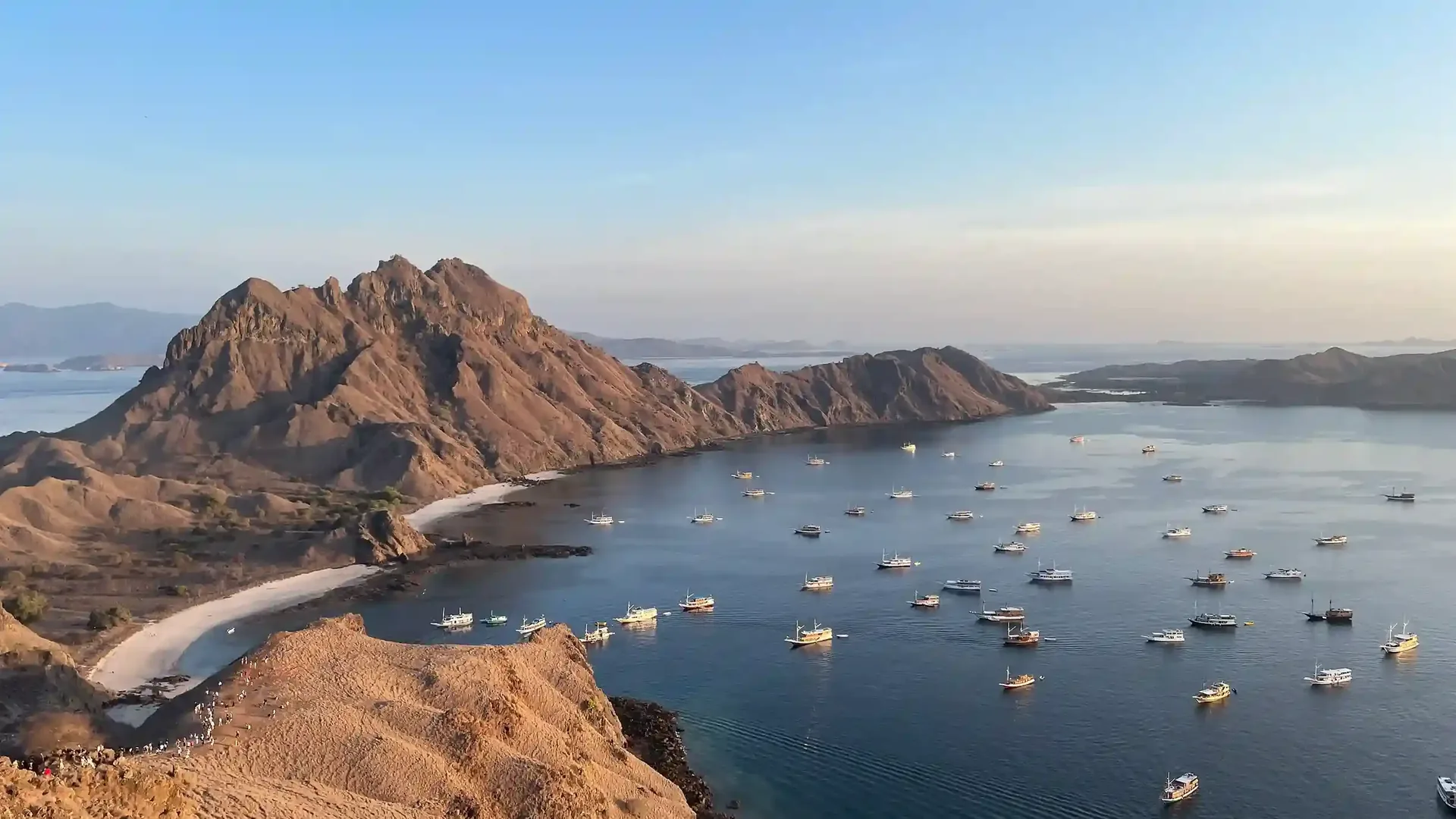
Manta Point is located in the central area of Komodo National Park, near Taka Makasar and a short sail from Komodo Island and Padar Island, within Manggarai, East Nusa Tenggara.

Is Manta Alley the same as Manta Point?

No, Manta Alley is not the same as Manta Point. Manta Point is the primary and only well-documented manta ray site in Komodo National Park.

How do I get to Manta Point from Labuan Bajo?

To reach Manta Point from Labuan Bajo, you can join a boat tour, which is typically part of a multi-day itinerary exploring Komodo National Park.

How long is the boat trip to the manta sites?

The boat trip to Manta Point from Labuan Bajo typically takes between 1.5 to 3 hours, depending on the speed and route of the boat.

What kind of mantas live at the sites – reef or oceanic?

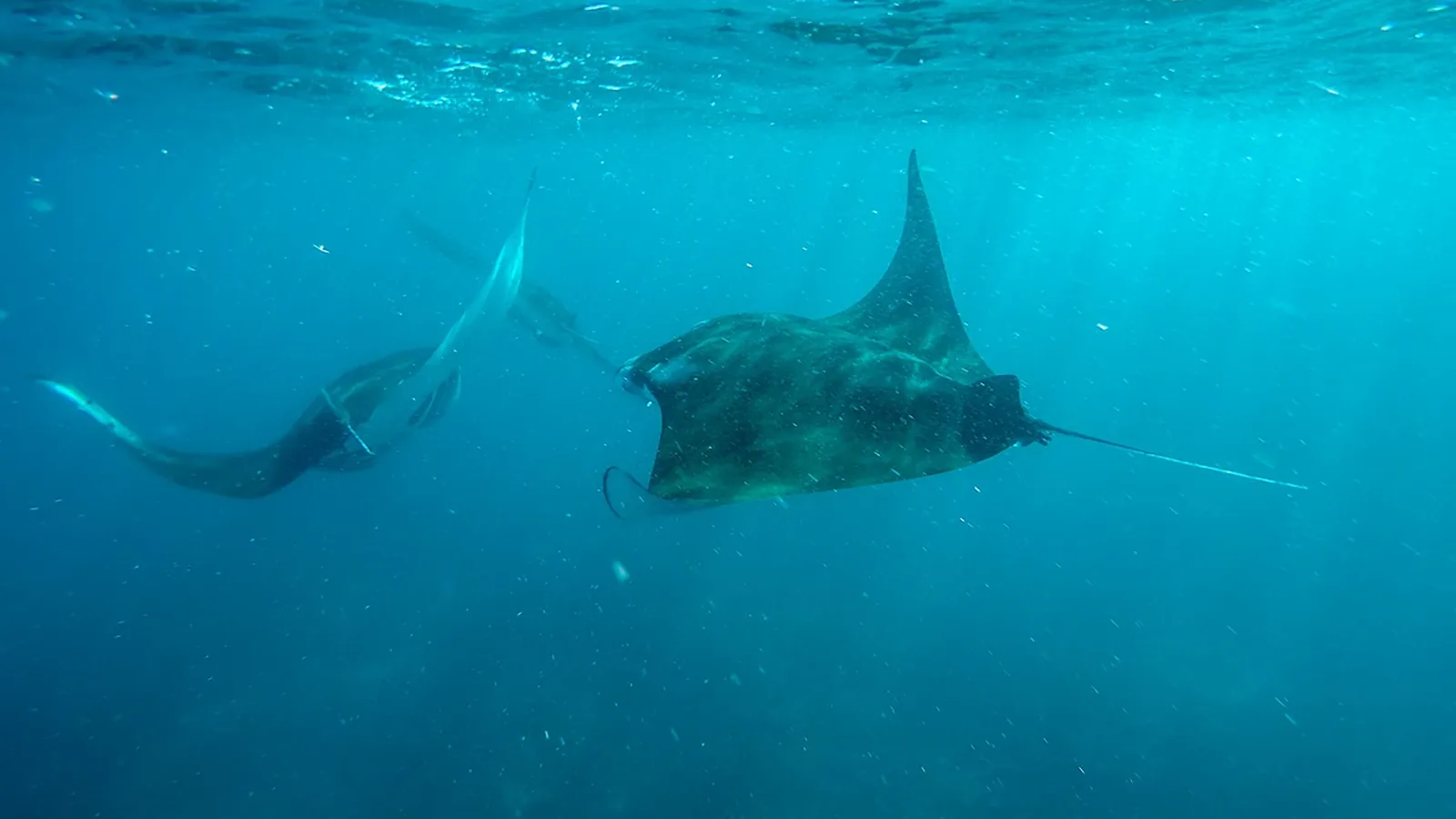
The mantas at Manta Point are oceanic manta rays (Mobula birostris), attracted by the plankton-rich currents in the channel.

Seeing the mantas

Can you guarantee I will see manta rays?

Sightings of manta rays are not guaranteed as they are wild and sightings are seasonal. However, they are common during peak seasons.

What is the best time of year to see mantas in Komodo?

The best time to see mantas in Komodo is during the peak manta activity season from December to February, when they often gather in large numbers.

How many mantas might I see on a good day?

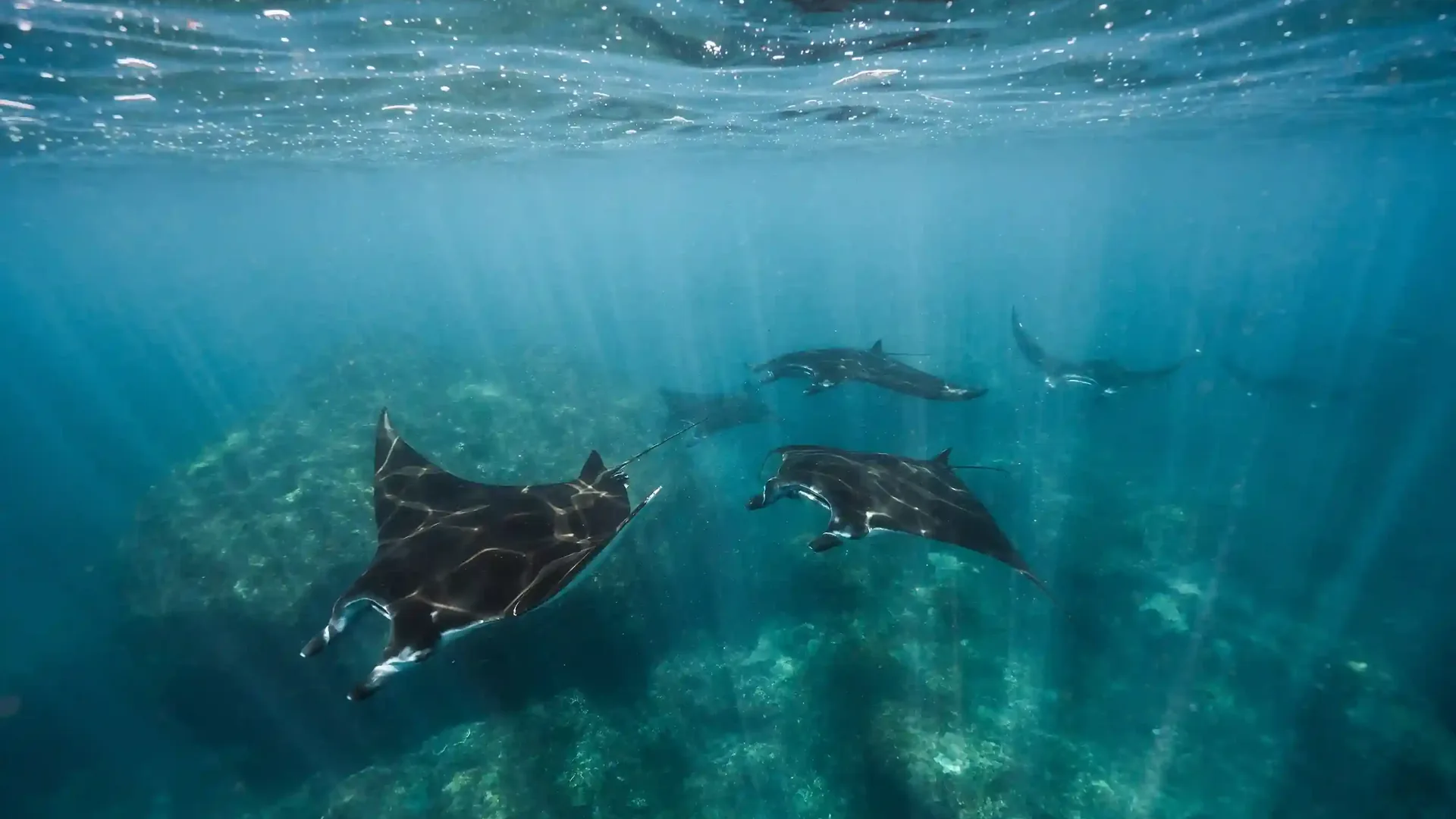
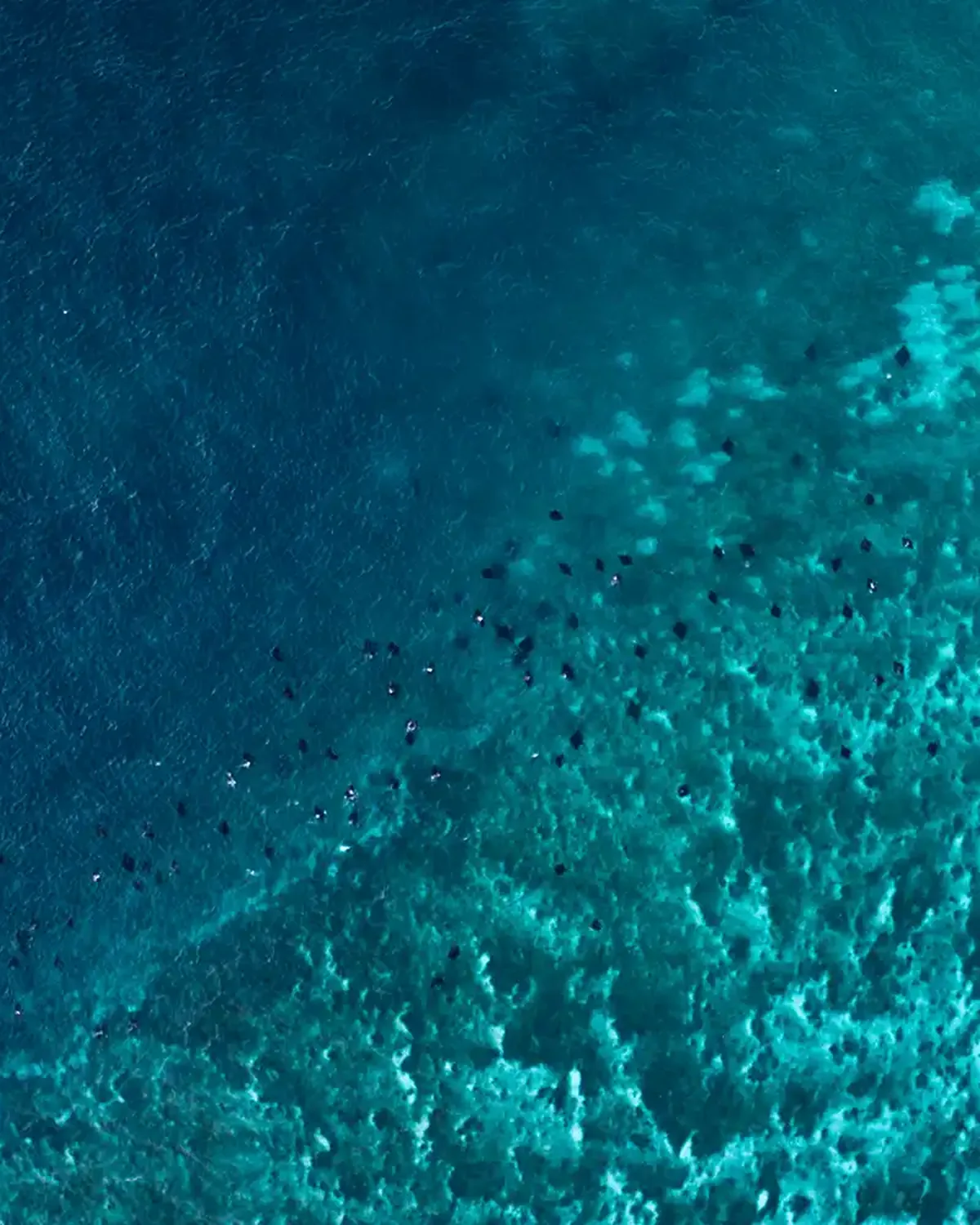
On a good day during the peak season, you might see 50 to 100 mantas gathering at Manta Point.

What are the water conditions and currents like at Manta Point?

Manta Point typically experiences strong currents, which can be challenging for weak swimmers. The water can be shallow near the surface, where mantas often swim.

Snorkel vs dive

Should I snorkel or dive with the mantas?

Snorkeling is ideal for beginners as mantas often swim close to the surface. Diving is recommended for licensed divers due to strong currents.

Do I need a diving certification to see the mantas?

You do not need a diving certification to snorkel with the mantas. However, diving with them requires a certification due to the strong currents.

Is the manta snorkel trip suitable for families and children?

Yes, the manta snorkel trip is suitable for families and children, as snorkeling allows close surface encounters with mantas.

Can beginners dive at Manta Point?

Beginners should avoid diving at Manta Point due to strong currents. Snorkeling is more suitable for those without diving experience.

Ethics, fees & booking

Is it ethical to swim with wild manta rays?

Yes, it is ethical to swim with wild manta rays as long as you follow guidelines such as maintaining a safe distance and not touching or chasing them.

What are the rules around the mantas?

Rules include no touching or chasing the mantas, maintaining a safe distance of 3-5 meters, and following crew guidance to avoid disturbing their feeding behavior.

How much is the Komodo National Park entry fee?

The Komodo National Park entry fee is approximately USD 10-13 per person per day, with payment preferred in IDR. Fees may increase in 2026.

How much does a manta snorkel or dive trip cost?

A Manta Snorkel Day costs between USD 80-120 per person, while a Private Manta Snorkel Day ranges from USD 250-350 per person.

Who operates Manta Point Komodo and how do I book?

Manta Point Komodo is operated by Komodo Luxury. You can book by contacting them via WhatsApp at +62 811-3823-875 or email at sales@komodoluxury.com.

Plan your manta day with one team

From manta snorkelling and manta diving to the combined Manta + Padar + Pink Beach day and a private manta charter, Manta Point Komodo handles the park fee, boat and guide. See the full manta guide or plan your manta day on WhatsApp.

What Is Manta Point Komodo and Why Visit It?

Manta Point Komodo, located within the protected confines of Komodo National Park, is a renowned spot for encountering the majestic manta rays in their natural habitat. The site, also known as Karang Makassar, is a shallow channel where nutrient-rich currents attract these gentle giants, making it a prime location for both snorkeling and scuba diving enthusiasts.

There are two main species of manta rays found here: the reef manta ray and the giant oceanic manta. Both species are known for their impressive wingspans, with the giant oceanic manta reaching up to seven meters. These filter feeders glide gracefully through the water, using their cephalic lobes to funnel planktonic organisms like krill and copepods into their mouths.

Visitors to Manta Point Komodo can witness these creatures at cleaning stations, where smaller fish remove parasites from the mantas’ bodies, providing a unique opportunity to observe their natural behavior. For more detailed guidance, check out our Manta Point Guide.

If you’re a seasoned diver or a first-time snorkeler, a visit to Manta Point promises an unforgettable experience. Remember, while sightings are seasonal and not guaranteed, the thrill of a possible encounter is part of the adventure.

For those planning their visit in 2027, early preparation is advisable. To explore options, you can plan your 2027 Komodo manta trip on WhatsApp.

Best Time to See Manta Rays in Komodo

The peak season for manta ray sightings at Manta Point in Komodo National Park is between December and March. During these months, the waters are teeming with plankton, which attracts large numbers of mantas. While manta sightings are never guaranteed, the likelihood of encountering these magnificent creatures is significantly higher during this period.

The prevailing currents during the peak season bring an abundance of plankton to the area, making it an ideal feeding ground for both the reef mantas and the giant oceanic mantas. It’s essential to adhere to the three-meter rule to avoid disturbing these creatures.

  • December to February: Best chance for large aggregations of manta rays.
  • March: Transition period; still good for sightings but may start to decrease.
  • April to November: Possible sightings, but less frequent.

If you’re planning a trip during the peak season, it’s wise to book early, as this is a popular time for manta enthusiasts. For more specific insights on timing, visit our Best Time to See Mantas in Komodo page.

To secure your spot for 2027, consider reaching out to us directly via WhatsApp: plan your 2027 Komodo manta trip on WhatsApp.

Snorkeling vs Diving at Manta Point: What to Expect

Both snorkeling and diving at Manta Point offer unique experiences, each with its own set of highlights. As a snorkeler, you’ll float on the surface, often just above the mantas as they glide gracefully below. The shallow waters of Karang Makassar make it an excellent spot for snorkeling, providing visibility of the mantas without the need to dive deep.

Divers, on the other hand, can experience the thrill of swimming alongside these gentle giants, observing their behavior more closely. The underwater terrain around Manta Point includes sandy bottoms and vibrant coral patches, offering divers additional marine life to explore.

ActivityExperience
SnorkelingSurface-level viewing, ideal for beginners and families.
DivingCloser encounters, suitable for certified divers.

Regardless of your choice, it’s crucial to respect the mantas by maintaining a distance of at least three meters and refraining from touching or chasing them. For more information on what to expect during your visit, check out our detailed exploration of snorkeling and diving experiences at Manta Point.

Start planning your 2027 manta adventure today: plan your 2027 Komodo manta trip on WhatsApp.

Manta Point vs Nusa Penida: Which Is Better for Snorkeling?

When it comes to snorkeling with manta rays, both Manta Point in Komodo National Park and Nusa Penida offer unique experiences. However, the choice between them depends on what you value most in your snorkeling adventure.

Manta Point, Komodo is well-known for its vibrant underwater scenes where you can encounter both reef manta rays and the occasional giant oceanic manta. The site is particularly active during the peak season from December to February, although manta sightings are seasonal and not guaranteed. Located at Karang Makassar and nearby Mawan, the area provides a rich habitat for these majestic creatures due to the abundance of planktonic organisms. Furthermore, the water conditions and visibility are generally excellent, making it a snorkeler’s paradise.

Nusa Penida is famous for its cleaning stations where mantas gather to have parasites and dead skin removed by smaller fish. While Nusa Penida might offer more reliable sightings throughout the year, the currents can be strong, making it less ideal for novice snorkelers.

LocationTravel Time from Labuan BajoBest Season
Manta Point, Komodo2-3 hoursDec-Feb
Nusa PenidaN/AYear-round

For those who prioritize natural beauty and can plan their visit during the peak season, Manta Point holds an edge. Explore our guide to Manta Point snorkeling to plan your experience.

How to Get to Manta Point from Labuan Bajo

Reaching Manta Point from Labuan Bajo is a straightforward journey, yet it requires some planning. The trip typically takes around 2-3 hours by boat, depending on weather conditions and the specific tour provider. Here’s how you can make your way to this remarkable snorkeling destination:

  1. Book a Tour: Start by booking your snorkeling or diving tour with a reputable operator. Prices for a Manta Snorkel Day range from USD 80-120, while Private Manta Snorkel Days are between USD 250-350.
  2. Departure Point: Most tours depart from Labuan Bajo, the starting point to Komodo National Park. Ensure you’re aware of your tour’s meeting point and departure time.
  3. Travel Time: Depending on sea conditions, expect a boat ride of 2-3 hours. It’s advisable to bring sun protection for the journey.

Keep in mind the Komodo National Park entry fee, which is approximately USD 10-13 per person per day. Payment in IDR is preferred, and prices may increase in 2026. For more details on planning a Komodo manta tour, visit our website.

Komodo National Park Rules: 3-Meter Distance and Responsible Diving

When snorkeling or diving at Manta Point, adhering to Komodo National Park’s rules is crucial for both visitor safety and manta ray conservation. The most significant regulation is the three-meter rule, which requires maintaining a minimum distance of three meters from the manta rays. This helps prevent stress and disturbance to these magnificent creatures.

In addition to the distance rule, visitors must follow these guidelines:

  • No Touching or Chasing: Manta rays should never be touched or chased. These actions can cause undue stress and disrupt their natural behavior.
  • Respect Cleaning Stations: Manta Point is known for its cleaning stations where mantas have parasites removed by smaller fish. Avoid interfering with these natural processes.
  • Environmental Awareness: Avoid touching corals or stirring up the sediment, as this can damage the delicate marine ecosystem.

Adhering to these rules ensures a sustainable and respectful interaction with manta rays, enriching your snorkeling or diving experience. For more on responsible diving practices, see our Manta Point diving guide.

To plan your 2027 Komodo manta trip, contact us on WhatsApp.

Ready to swim with manta rays at Manta Point?

Tell our Komodo Luxury team your dates and group on WhatsApp - we will match you to the right manta snorkel or dive trip, advise on the best month, and handle the park fees, boat and guide.

Call Plan on WhatsApp