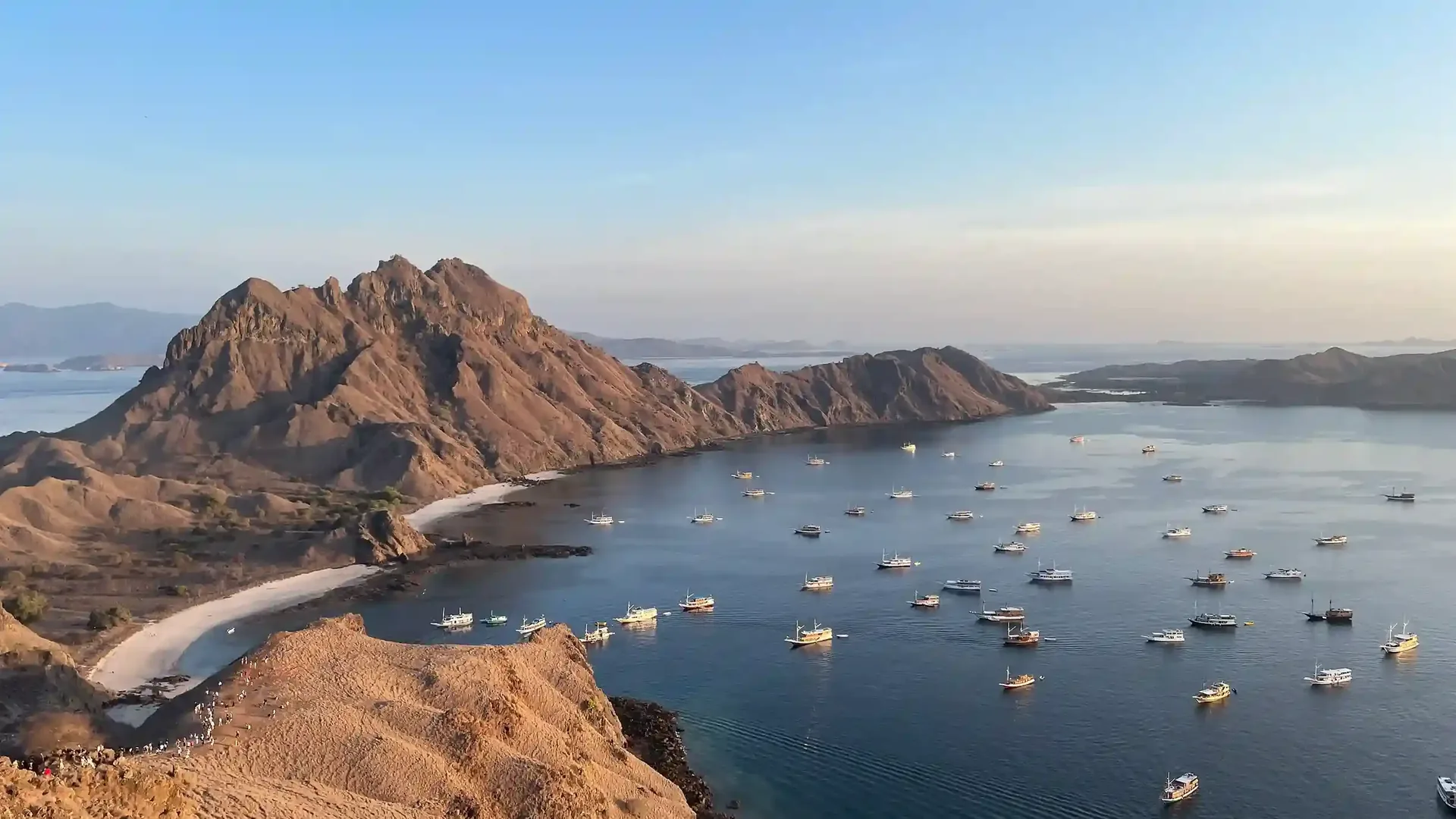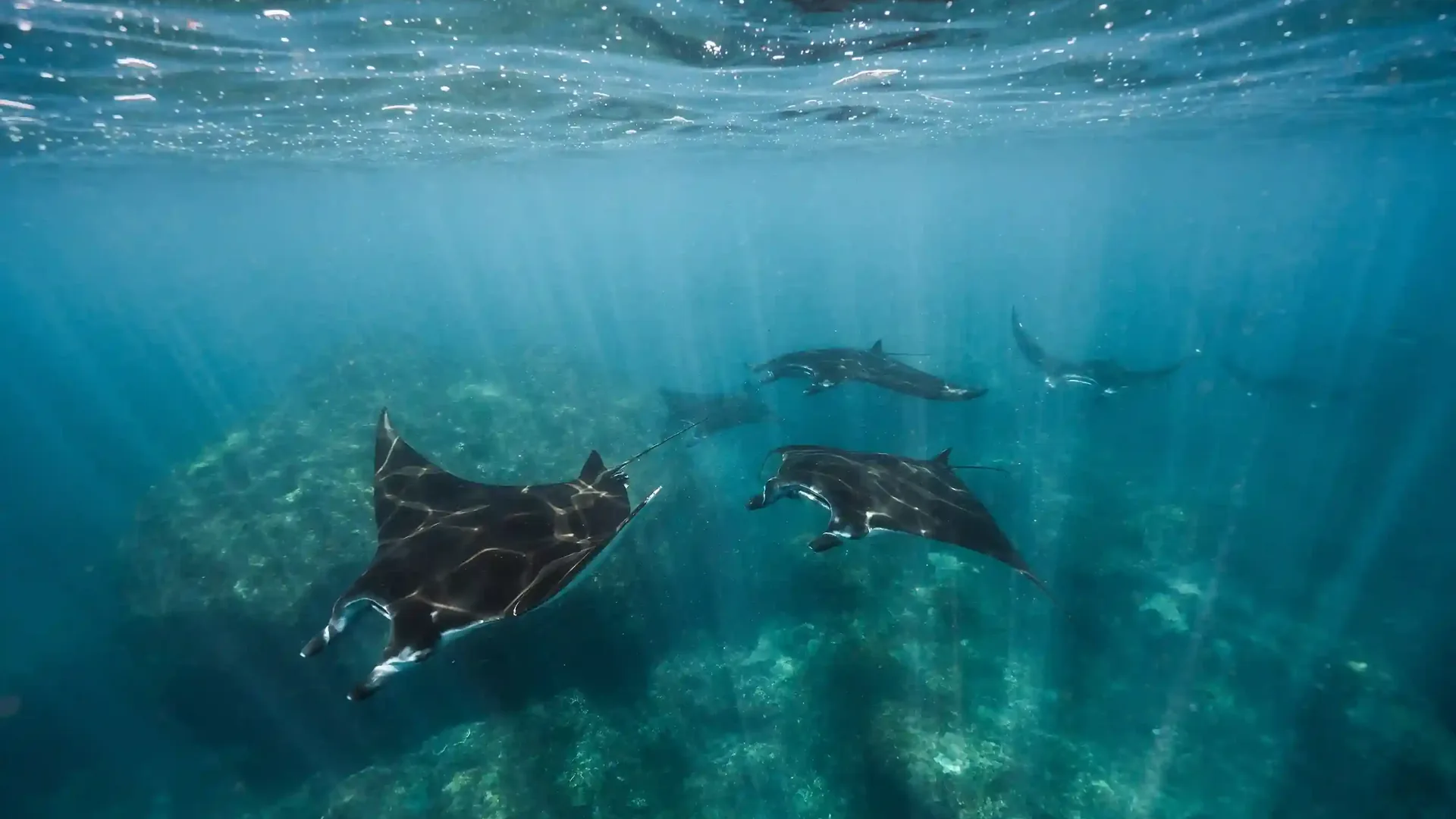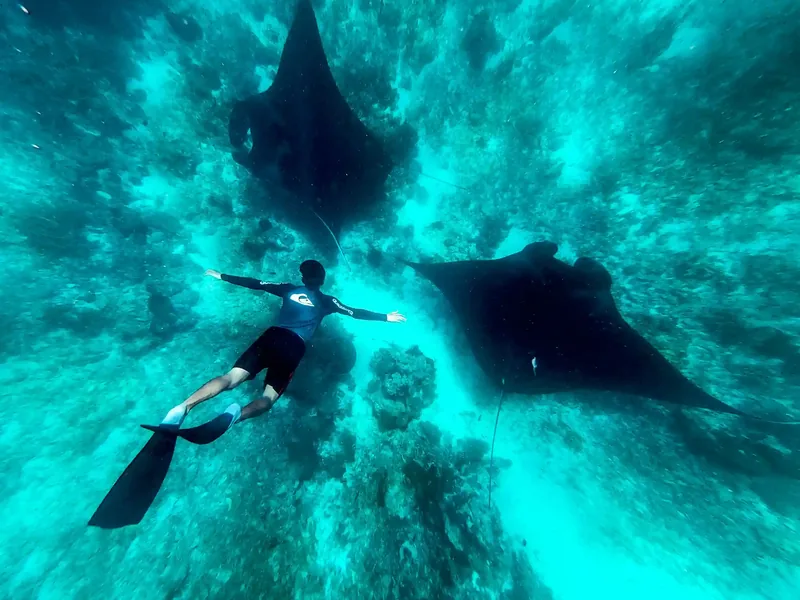
Experience the thrill of manta point snorkeling in Komodo, where ethical encounters with magnificent manta rays await. Plan your visit for the peak season, from December through February, for the best chances of sightings. Always remember, wild encounters are seasonal and not guaranteed. Follow ethical guidelines for a safe and respectful adventure.
What is Manta Point and Why Visit for Snorkeling
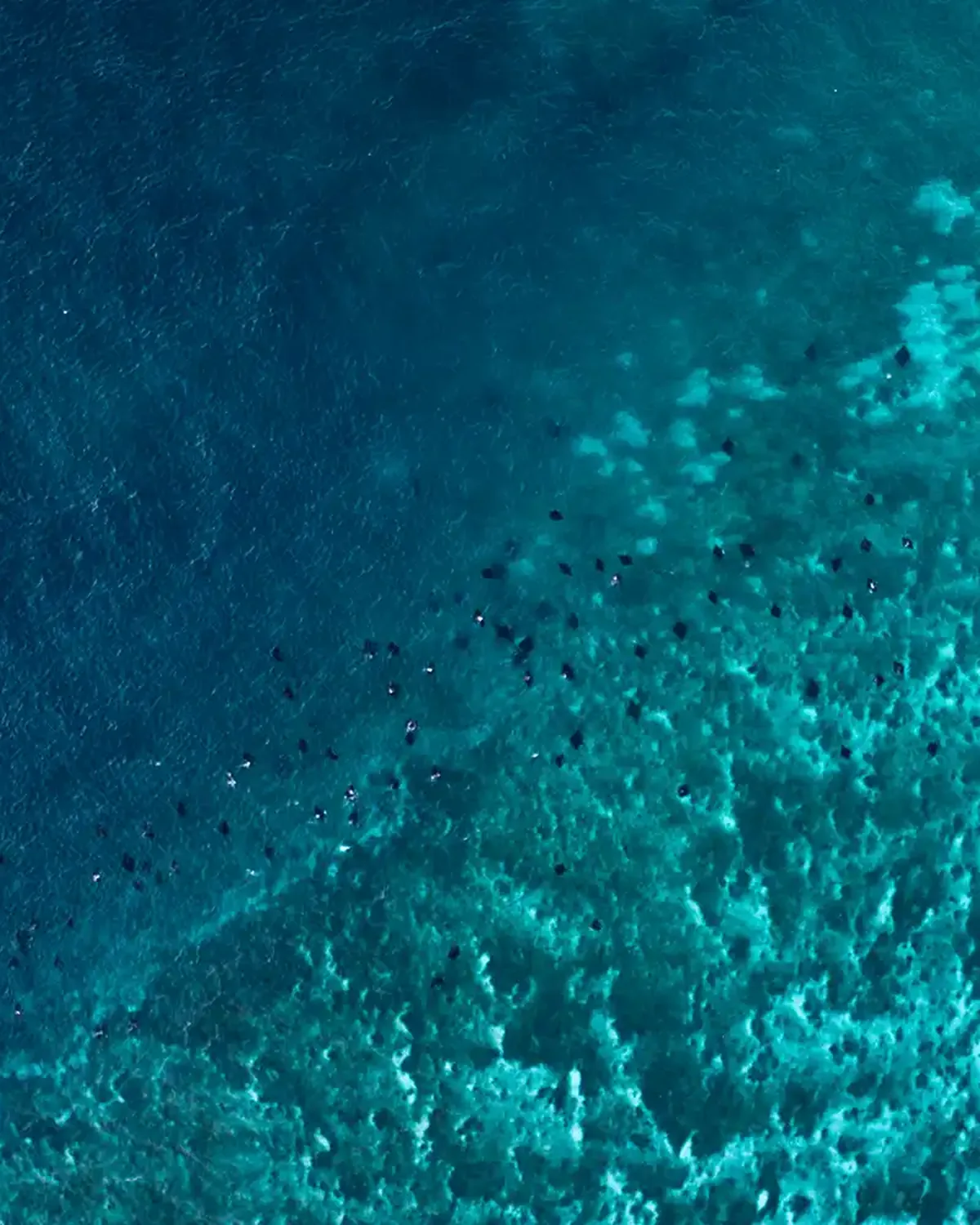
Manta Point, located in the stunning Komodo National Park, is renowned for its frequent visits from the graceful reef manta rays. Snorkeling here offers a unique opportunity to witness these gentle giants in their natural habitat. Manta Point is celebrated for its cleaning stations, where mantas gather to be cleaned by smaller fish, providing snorkelers with an incredible view of natural marine behavior.
Best Time to Visit Manta Point for Snorkeling
The prime manta season at Manta Point runs from December to February, when manta sightings are most frequent. To enhance your experience, plan your snorkeling between 7–10 AM during slack tide when the waters are calmer, and manta activity is higher. Always remember, sightings are never guaranteed as these are wild animals and conditions vary.
For more details on planning your trip, visit our best time guide.
How to Get to Manta Point from Bali or Nusa Penida
Traveling to Manta Point from Bali or Nusa Penida involves a flight to Labuan Bajo followed by a boat ride. The journey can take between 2 to 3 hours by boat from Labuan Bajo, making it a day-trip worthy of the travel time. For detailed travel arrangements, check our Komodo Manta Tour page.
Snorkeling vs Scuba Diving at Manta Point
Snorkeling: For All Levels
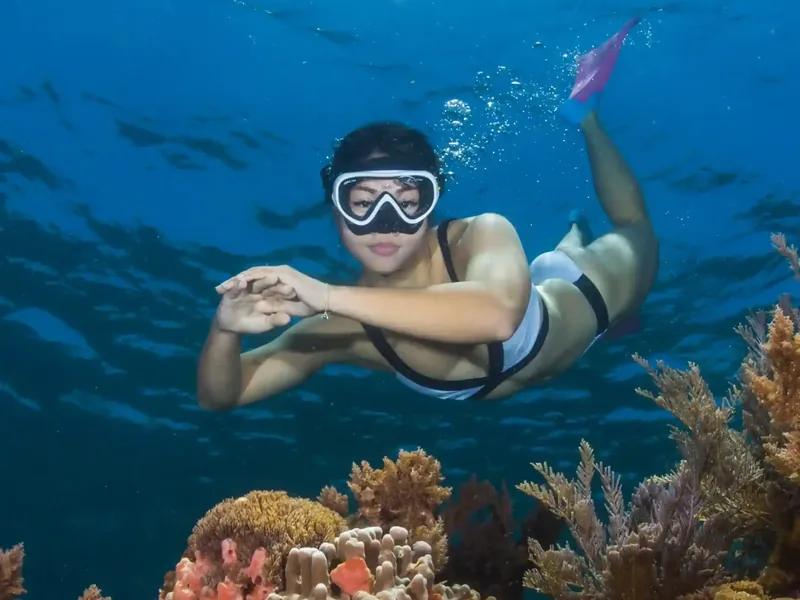
Snorkeling at Manta Point is suitable for all skill levels, including those without certification. It allows you to float effortlessly above the cleaning stations and enjoy the mantas from the surface.
Diving: A Deeper Experience
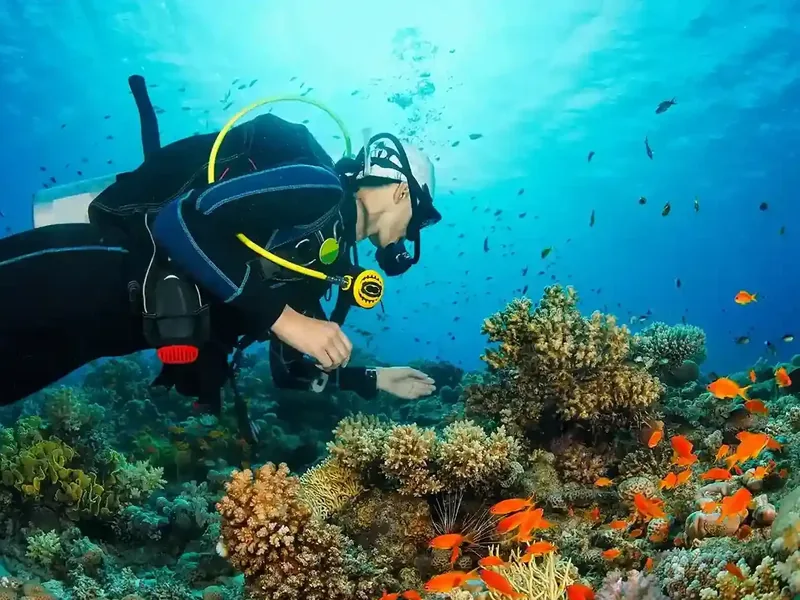
Scuba diving offers a closer look at the underwater environment and is ideal for those certified. Divers can observe the mantas from below, adding a different dimension to the experience.
Manta Ray Behavior and Cleaning Station Explained
Manta rays visit Manta Point to engage in cleaning behaviors, where they hover over coral outcrops and let cleaner fish remove parasites and dead skin. This symbiotic relationship is fascinating to watch and is one of the highlights of snorkeling here.
Safety Tips for Snorkeling at Manta Point
- Always maintain a respectful distance of at least 3 meters from the mantas.
- Avoid touching or chasing manta rays.
- Ensure you are part of a small guided group for safety and enhanced experience.
- Follow your guide’s instructions at all times.
What to Wear: Wetsuit Thickness for Cold Waters
The waters around Manta Point can be cooler, especially during the dry season. It’s advisable to wear a 5mm wetsuit for comfort. If you feel the cold more acutely, a 7mm wetsuit may be necessary.
Manta Point Snorkeling Trip Costs and Packages
Snorkeling trips to Manta Point are priced from USD 80-120 per person, with private trips ranging from USD 250-350. These indicative prices exclude the Komodo National Park fee, which is approximately USD 10-13 per person per day.
For a detailed breakdown of packages, visit our day trip page.
Manta Point vs Manta Bay: Which is Better for Snorkeling
While Manta Point is renowned for its cleaning stations and frequent manta visits, Manta Bay offers a different underwater topography with its own unique marine life. Both sites provide excellent snorkeling opportunities, but the choice depends on what you hope to experience.
Top Snorkeling Guides and In-Water Support at Manta Point
At Manta Point Komodo, operated by Komodo Luxury, we pride ourselves on providing experienced guides who ensure your safety and enhance your snorkeling adventure. Our small-group trips ensure personalized attention, making your manta experience both enjoyable and ethical.
For more on our offerings, explore Komodo Luxury’s product range.
Is Manta Point safe for snorkeling without certification?
Yes, Manta Point is safe for snorkeling without certification, provided you follow the guide’s instructions and safety protocols.
When is the best time to visit Manta Point for manta rays?
The best time to visit Manta Point for manta rays is during the peak season from December to February.
How much does a snorkeling trip to Manta Point cost?
A snorkeling trip to Manta Point typically costs between USD 80-120 per person, excluding the park fee.
Do I need a wetsuit for snorkeling at Manta Point?
Yes, a wetsuit is recommended for comfort due to cooler water temperatures. A 5mm thickness is generally sufficient.
Plan your manta adventure today by contacting us on WhatsApp to book your spot and ensure an unforgettable experience.
Weather Conditions and Ideal Tide for Manta Point Snorkeling
When planning a snorkeling trip to Manta Point in Komodo National Park, understanding the weather conditions and tides can significantly enhance your experience. The best time to encounter manta rays around Komodo is generally during the dry season, from April to October. During these months, the weather is characterized by low wind and gentle swells, creating optimal conditions for snorkeling.
For the best visibility and a higher chance of a manta ray encounter, aim for morning snorkeling sessions between 7–10 AM, when the light is soft and the seas are calm. Slack tide, the period between high and low tides, is ideal for snorkeling as it minimizes current strength, allowing for a more relaxed experience while observing these majestic creatures. Keep in mind, sightings are seasonal and not guaranteed, but planning around these conditions can improve your chances.
To further enhance your trip, consider planning for 2027, when certain conditions may align more favorably. Remember, the Komodo NP entry fee is approximately USD 10-13 per person, per day, and it is anticipated that fees may increase in 2026.
- Best Season: Dry season (April to October)
- Ideal Time: Morning (7–10 AM)
- Optimal Tide: Slack tide
For more detailed guidance, consult our Manta Point Guide.
Photography Tips for Capturing Manta Rays While Snorkeling
Photographing manta rays at Manta Point requires a blend of skill, respect for marine life, and the right equipment. Here are some expert tips to help you capture stunning images while adhering to ethical practices.
Equipment: Use a waterproof action camera or a DSLR with a suitable underwater housing. A wide-angle lens is essential to capture the full grandeur of manta rays as they glide around the cleaning stations.
Wetsuit: Wear a 5mm or 7mm wetsuit to maintain buoyancy and warmth, allowing you to focus on photography without discomfort. This is especially relevant if you plan to snorkel at nearby Nusa Penida or Bali, where water temperatures can vary.
Technique: To photograph manta rays effectively, maintain a respectful distance of at least 3 meters and never chase or touch. Instead, position yourself calmly and allow the rays to approach. Use natural light by snorkeling during the morning hours when the sunlight penetrates the water beautifully.
Composition: Compose your shots with the manta ray’s movement in mind, capturing their elegant wingspans and the contrast against the vibrant underwater backdrop.
| Equipment | Wetsuit | Best Time |
|---|---|---|
| Wide-angle lens | 5mm or 7mm | Morning (7–10 AM) |
Our Komodo Manta Tour offers opportunities to practice these tips during your snorkeling adventure.
Ready to capture the perfect shot? Plan your 2027 Komodo manta trip on WhatsApp.
What is Manta Point and Why Visit for Snorkeling
Manta Point Komodo is one of the most renowned locations for observing manta rays in their natural habitat. Situated in Komodo National Park, this site is famous for its rich marine biodiversity and the opportunity to witness manta rays gliding gracefully through the water. Manta rays are attracted to this area primarily for its cleaning stations, where smaller fish remove parasites from the mantas’ bodies.
Snorkeling at Manta Point, unlike diving, allows you to calmly float on the surface and witness these majestic creatures from above. The experience is serene, offering a unique perspective as mantas swim in complex patterns beneath you. It’s an excellent choice for those who prefer a more relaxed encounter or are not certified to dive.
- Location: ~2-3 hours from Labuan Bajo
- Experience: Witness manta rays at cleaning stations
- Cost: Manta Snorkel Day ~USD 80-120
- Entry Fee: Komodo NP entry ~USD 10-13 per day
For more details on organizing your trip, visit our Manta Point Snorkeling Guide.
Best Time to Visit Manta Point for Snorkeling
The optimal period for visiting Manta Point for snorkeling is during the dry season, from April to October. During these months, the weather is more predictable with lower winds and gentler swells, providing ideal conditions for snorkeling.
Morning snorkeling between 7–10 AM is recommended to take advantage of the calm waters and the increased likelihood of manta ray encounters. The best time coincides with a slack tide, reducing currents and allowing snorkelers to conserve energy while observing the mantas.
- Season: Dry season (April to October)
- Time: Morning, 7–10 AM
- Conditions: Low wind and gentle swell
To plan your visit during the best conditions, check out our Best Time to Visit Guide.
How to Get to Manta Point from Bali or Nusa Penida
Getting to Manta Point from Bali or Nusa Penida involves a combination of flights and boat transfers. From Bali, the most straightforward route is to fly from Bali’s Ngurah Rai International Airport to Labuan Bajo. Flights are frequent and typically take around an hour.
Travel Options
| Route | Details |
|---|---|
| Bali to Labuan Bajo | 1-hour flight |
| Labuan Bajo to Manta Point | 2-3 hour boat trip |
From Labuan Bajo, a boat trip takes approximately two to three hours to reach Manta Point. The journey offers a scenic view of the park’s landscapes and is best taken during the early morning when the sea is calm.
For a more personalized experience, consider our Private Manta Charter service. You can now plan your 2027 Komodo manta trip on WhatsApp.