Best Time to See Manta Rays in Komodo

Best Time to See Manta Rays in Komodo

The best time to see manta rays in Komodo is from December to February, during the peak season when sightings are most frequent. However, manta encounters are never guaranteed as these majestic creatures follow natural patterns. Ethical guidelines, such as maintaining a 3-meter distance, ensure a respectful interaction.

Best Months to See Manta Rays in Komodo

For those seeking the best time to see manta rays in Komodo, the peak season from December to February offers the highest likelihood of sightings, thanks to the nutrient-rich waters attracting these gentle giants. During this period, conditions are favorable for both snorkelling and diving enthusiasts.

Komodo Rainy Season vs Dry Season for Mantas

The rainy season in Komodo spans from November to April, coinciding with the peak manta season. While rain may be more frequent, this period is often marked by increased plankton blooms, which attract large numbers of reef mantas. Conversely, the dry season from May to October offers calmer seas but fewer manta aggregations.

Peak Manta Ray Season (December–March)

From December to March, Komodo National Park experiences its peak manta ray season. During these months, plankton blooms are at their height, drawing in manta rays in significant numbers. Sightings are relatively common, although not guaranteed, and conditions for snorkelling and diving are typically optimal.

Manta Point and Manta Alley Dive Sites

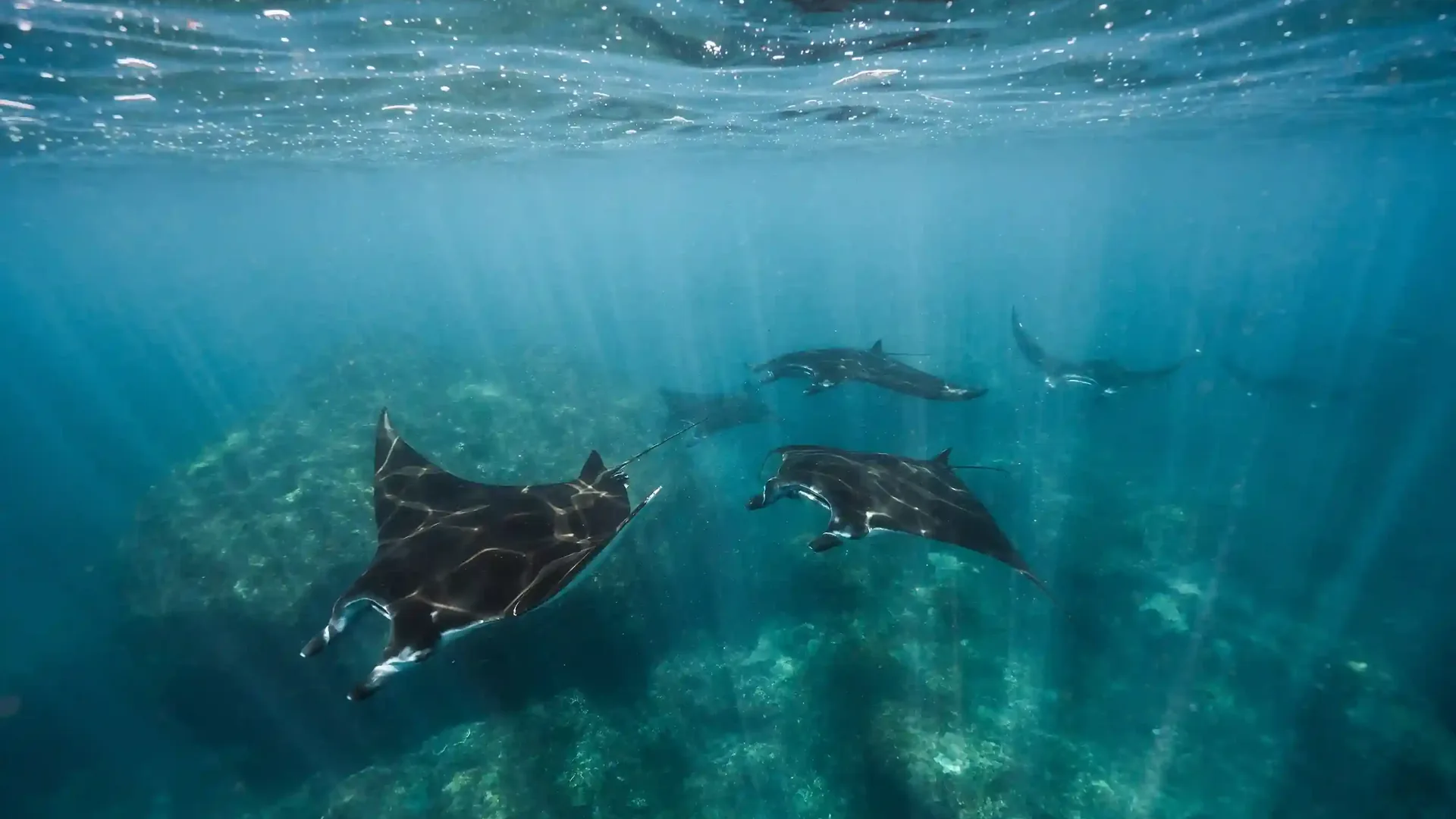
Manta Point and Manta Alley are premier locations for encountering reef mantas. Manta Point, approximately 2-3 hours from Labuan Bajo, allows for snorkelling and diving, whereas Manta Alley, about 3-4 hours away, is best suited for divers. Both sites offer a unique glimpse into the world of these graceful creatures.

Plankton Blooms and Manta Ray Aggregations

Plankton blooms play a crucial role in attracting manta rays to Komodo. These blooms typically occur during the rainy season, leading to large manta aggregations. Reef mantas are particularly drawn to these rich feeding grounds, providing snorkelers and divers with exceptional viewing opportunities.

Water Visibility Conditions in Komodo

Water visibility in Komodo can vary significantly between seasons. During the dry season, visibility tends to be clearer, ranging from 15 to 30 meters. In contrast, the rainy season can reduce visibility due to increased plankton, but it simultaneously enhances manta ray encounters.

Manta Ray Cleaning Stations Explained

Manta cleaning stations are underwater areas where reef mantas congregate to be cleaned by smaller fish. These stations are pivotal for maintaining the health of mantas and can be observed at both Manta Point and Manta Alley. Divers should maintain a respectful distance to avoid disturbing these natural behaviours.

Shoulder Seasons for Balanced Komodo Experiences

Visiting during the shoulder seasons of April-May and September-October can offer a more balanced experience in Komodo. While manta sightings might be less frequent than peak months, these periods provide quieter dive sites and comfortable conditions for both underwater exploration and topside activities.

Manta Ray Presence Year-Round in Komodo

Manta rays can be seen throughout the year in Komodo, although their presence and numbers fluctuate with the seasons. While the peak season offers the best odds, dedicated enthusiasts may still encounter these marine marvels during off-peak times.

Avoiding Crowds: July and August in Komodo

July and August are popular months for tourists in Komodo, resulting in busier dive sites. For those aiming to avoid crowds, visiting outside these months can provide a more serene manta experience without compromising on the chance to see these magnificent creatures.

What’s included in our trips

  • Small group sizes for ethical encounters
  • Experienced guides
  • Snorkel and dive gear
  • Park fee handling
  • Refreshments on board

Snorkel vs Dive: Who it’s for

Snorkelling at Manta Point is ideal for beginners and those wishing to observe mantas from the surface. Diving, recommended for experienced divers, allows for closer interaction with mantas while adhering to ethical guidelines. Both options offer unique perspectives of manta behaviour.

FAQs

What is the best month to see manta rays in Komodo?

The best months are December to February, when manta sightings are most frequent.

When is the rainy season in Komodo for manta rays?

The rainy season runs from November to April, coinciding with peak manta activity.

Are manta rays visible year-round in Komodo?

Yes, manta rays can be seen year-round, though sightings are more common during peak months.

What dive sites are best for manta rays in Komodo?

Manta Point and Manta Alley are the premier sites for encounters with reef mantas.

For those planning ahead, a 2027 manta trip to Komodo is worth considering. Early planning ensures you hit the best months and conditions for an unforgettable experience. Plan your manta day on WhatsApp with Manta Point Komodo, operated by Komodo Luxury.

Manta Ray Behavior During Rainy Season

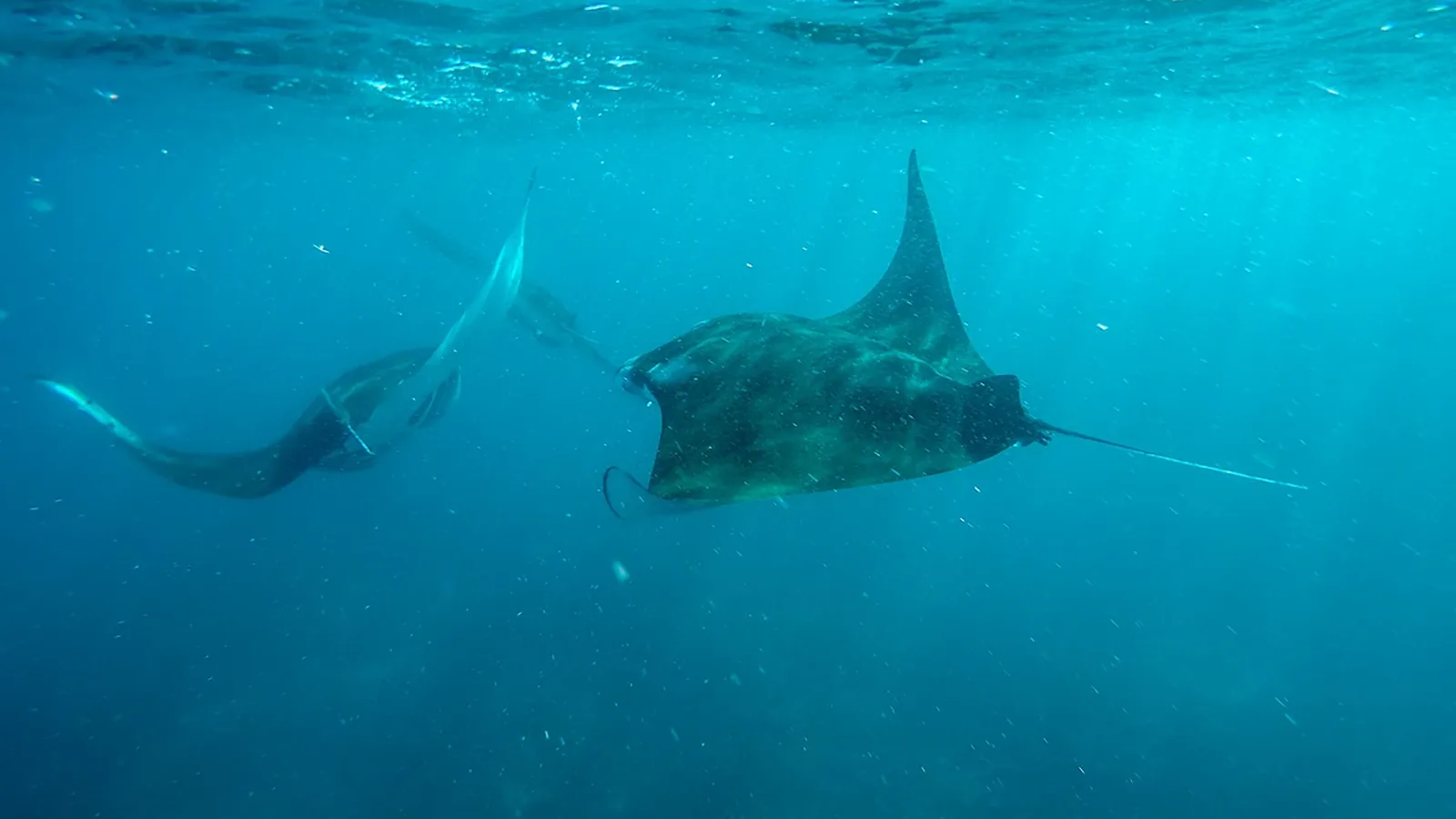
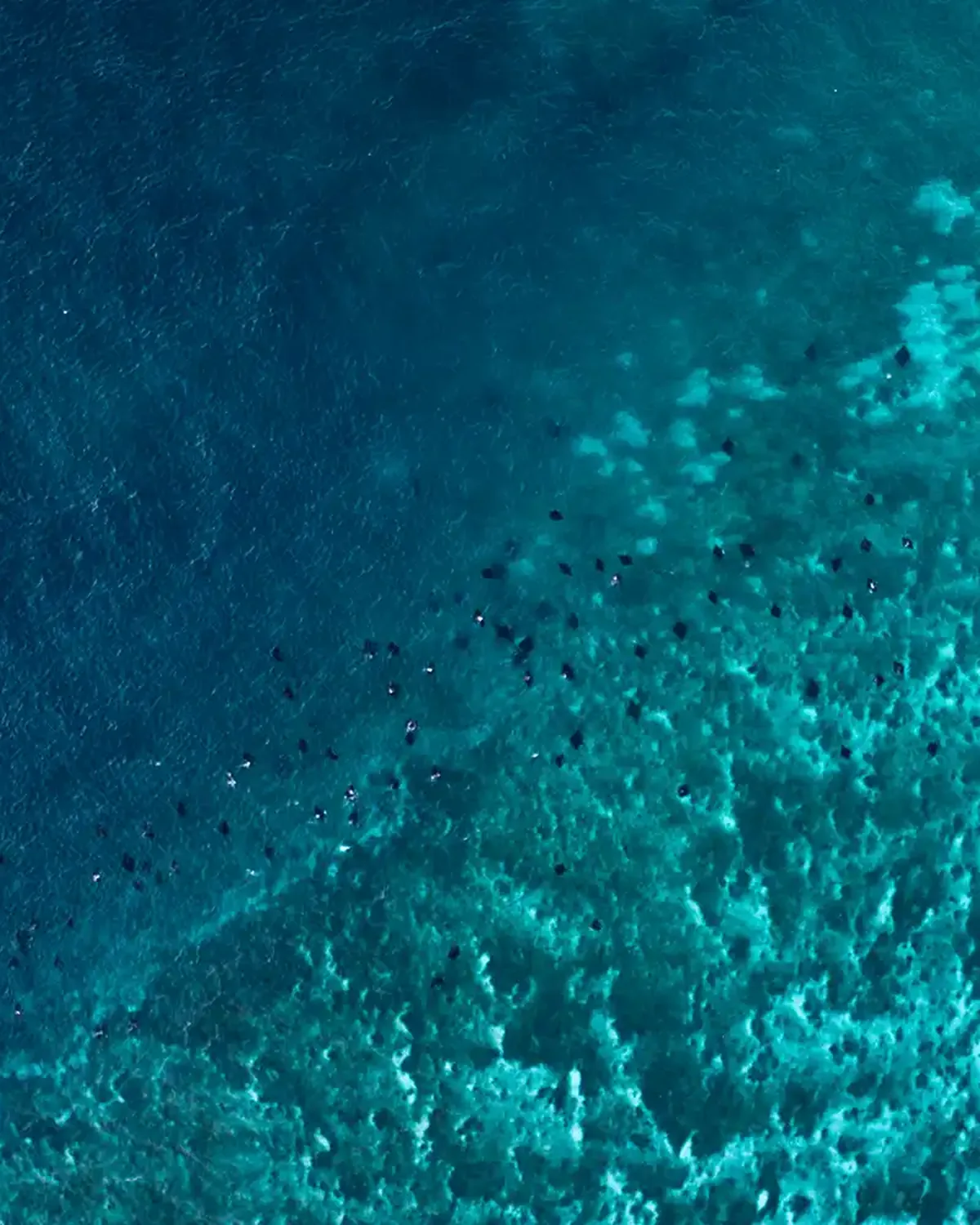
The rainy season in Komodo National Park, typically from November to April, significantly influences manta ray behavior. During this period, nutrient-rich waters encourage plankton blooms, which attract large groups of both reef mantas and oceanic manta rays. These gatherings, known as manta ray aggregations, are quite a spectacle for divers and snorkelers.

Although the rainy season might suggest lower water visibility, it is precisely this time when mantas congregate in greater numbers at renowned sites like Manta Point and Manta Alley. The influx of plankton provides not just sustenance but also encourages mantas to visit and linger at cleaning stations, where they engage in symbiotic relationships with cleaner fish.

However, do bear in mind that while manta sightings are more frequent during these months, they are not guaranteed. Manta rays are wild creatures, and their movements can be unpredictable. To enhance your experience, consider joining a tour with an expert manta point guide who understands their behavior and can navigate these waters effectively.

  • Rainy Season: November to April
  • Best Manta Season: December to February
  • Water Conditions: Increased plankton, lower visibility

For those planning ahead, ensure your visit aligns with these peak months to maximize your chances of experiencing these majestic creatures. Plan your 2027 Komodo manta trip on WhatsApp.

Best Time to Dive Komodo for Manta Rays

Divers looking for the best time to visit Komodo National Park for manta rays should prioritize the dry season, from May to October, when water conditions are typically more favorable. During these months, visibility can reach impressive depths, often extending to 30 meters or more, allowing divers to fully appreciate the underwater landscape as well as the majestic mantas.

While manta sightings are possible throughout the year, the dry season also offers the advantage of calmer seas, making travel to dive sites such as Karang Makassar and Manta Alley more comfortable. These sites are renowned for their vibrant reefs and cleaning stations, and divers often witness mantas gracefully gliding above the ocean floor, occasionally stopping to be cleaned by smaller fish.

For those who prefer fewer crowds, the shoulder months of April and November can be a good compromise, offering a balance between manta sightings and diving conditions. Regardless of when you visit, remember that manta rays are wild and sightings are seasonal, not guaranteed. Consider a dedicated diving tour to improve your chances.

  • Dry Season: May to October
  • Shoulder Seasons: April and November
  • Visibility: Up to 30 meters

Planning in advance for 2027? Secure your diving experience by consulting our team on WhatsApp.

Best Months to See Manta Rays in Komodo

The optimal months for witnessing the majestic manta rays in Komodo National Park are typically between November and April. During this period, the nutrient-rich waters attract both reef mantas and oceanic manta rays, leading to frequent manta ray aggregations. Although manta sightings can occur year-round, this timeframe offers the greatest likelihood of encountering these impressive creatures.

Visitors should note that fees to enter Komodo National Park are approximately USD 10-13 per person, per day, with payments preferably made in Indonesian Rupiah. These fees are subject to potential increases in 2026, so it’s wise to plan accordingly for future visits, especially if you’re considering a trip in 2027.

Indicative Costs:

  • Manta Snorkel Day: USD 80-120
  • Private Manta Snorkel Day: USD 250-350

For those interested in a more intimate experience, a private manta charter may provide an exceptional opportunity to explore these waters with minimal distraction.

Connect with us to plan your 2027 Komodo manta trip on WhatsApp.

Komodo Rainy Season vs Dry Season for Mantas

Komodo National Park experiences two distinct seasons: the rainy season, from November to April, and the dry season, from May to October. The rainy season coincides with increased plankton blooms, which are a primary food source for manta rays. This abundance attracts mantas in larger numbers, especially the reef mantas commonly seen in the area.

During the dry season, water visibility tends to improve significantly, making it ideal for diving enthusiasts. However, the number of mantas may decrease compared to the rainy season. Manta Point and Manta Alley are still frequented by mantas during this time, albeit in reduced numbers.

Seasonal Highlights:

SeasonMonthsManta Activity
RainyNov – AprHigh
DryMay – OctModerate

Regardless of the season, ethical interaction guidelines, such as maintaining a distance of approximately 3 metres from the mantas, are crucial for sustainable tourism. For more information, consider a guided tour through Komodo Manta Tour.

Contact us to plan your 2027 Komodo manta trip on WhatsApp.

Peak Manta Ray Season (December–March)

December through March is considered the peak season for manta ray sightings in Komodo National Park. During these months, the concentration of mantas at key locations like Manta Point and Manta Alley is at its highest. Manta Point, approximately 2-3 hours from Labuan Bajo, and Manta Alley, roughly 3-4 hours away, are renowned for their vibrant marine life and are popular among both divers and snorkelers.

These sites also feature several cleaning stations where mantas congregate to be cleaned by smaller fish, offering a unique opportunity to observe their natural behaviour. However, it’s important to remember that sightings are never guaranteed as these are wild, free-ranging animals.

For those planning a trip in 2027, booking in advance is recommended to secure your spot during this peak period. If you’re an experienced diver or a first-time snorkeler, a guided experience can enhance your understanding of these incredible creatures. For diving-specific trips, visit our Manta Point Diving page for more information.

To start planning your unforgettable Komodo adventure, plan your 2027 Komodo manta trip on WhatsApp.

Ready to swim with manta rays at Manta Point?

Tell our Komodo Luxury team your dates and group on WhatsApp - we will match you to the right manta snorkel or dive trip, advise on the best month, and handle the park fees, boat and guide.

Call Plan on WhatsApp