Manta Alley Komodo — The Southern Manta Site Explained

Manta Alley Komodo — The Southern Manta Site Explained

Manta Alley in Komodo National Park offers a phenomenal opportunity for diving with reef mantas, though sightings are seasonal and never guaranteed. The best time is December to February. Ethical guidelines, such as maintaining ~3m distance, ensure a respectful experience. Start planning for 2027 early to secure the ideal conditions.

Manta Alley Location and Geography

Manta Alley, located in the southern part of Komodo National Park, is a renowned dive site for observing reef mantas. The site is situated approximately 3-4 hours by boat from Labuan Bajo, and its remote location provides a unique diving experience. Characterized by rocky outcrops and sandy cleaning stations, the site offers a rich underwater topography, essential for manta ray interactions.

Best Season to Dive Manta Alley

The peak season for manta sightings at Manta Alley is from December to February, during the southern season. Sightings are influenced by ocean currents and nutrient availability, making this period ideal for observing feeding and cleaning behaviours. While manta sightings are seasonal, they cannot be guaranteed. Planning your manta trip for 2027 early will help you hit the best months and conditions.

Learn more about Komodo’s manta season.

Manta Ray Behavior and Feeding Patterns

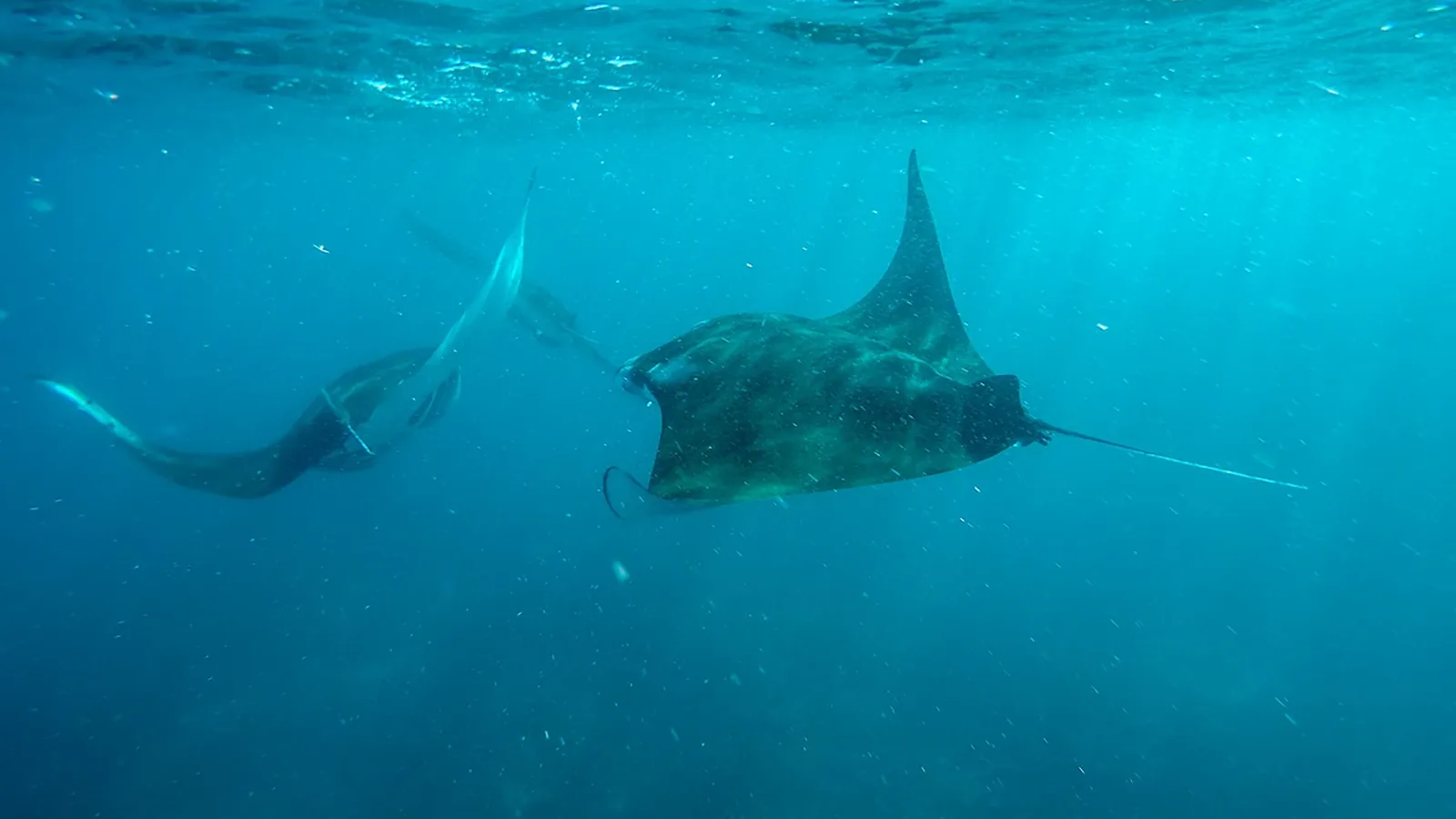
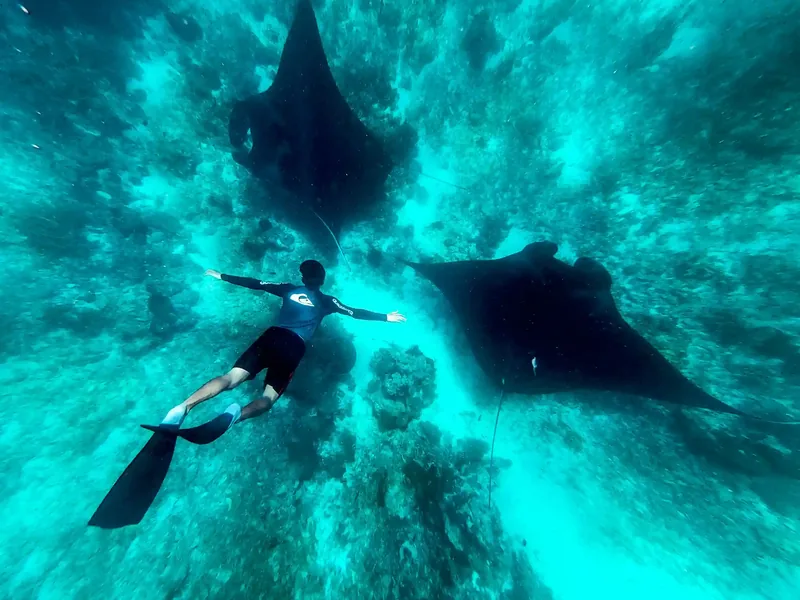
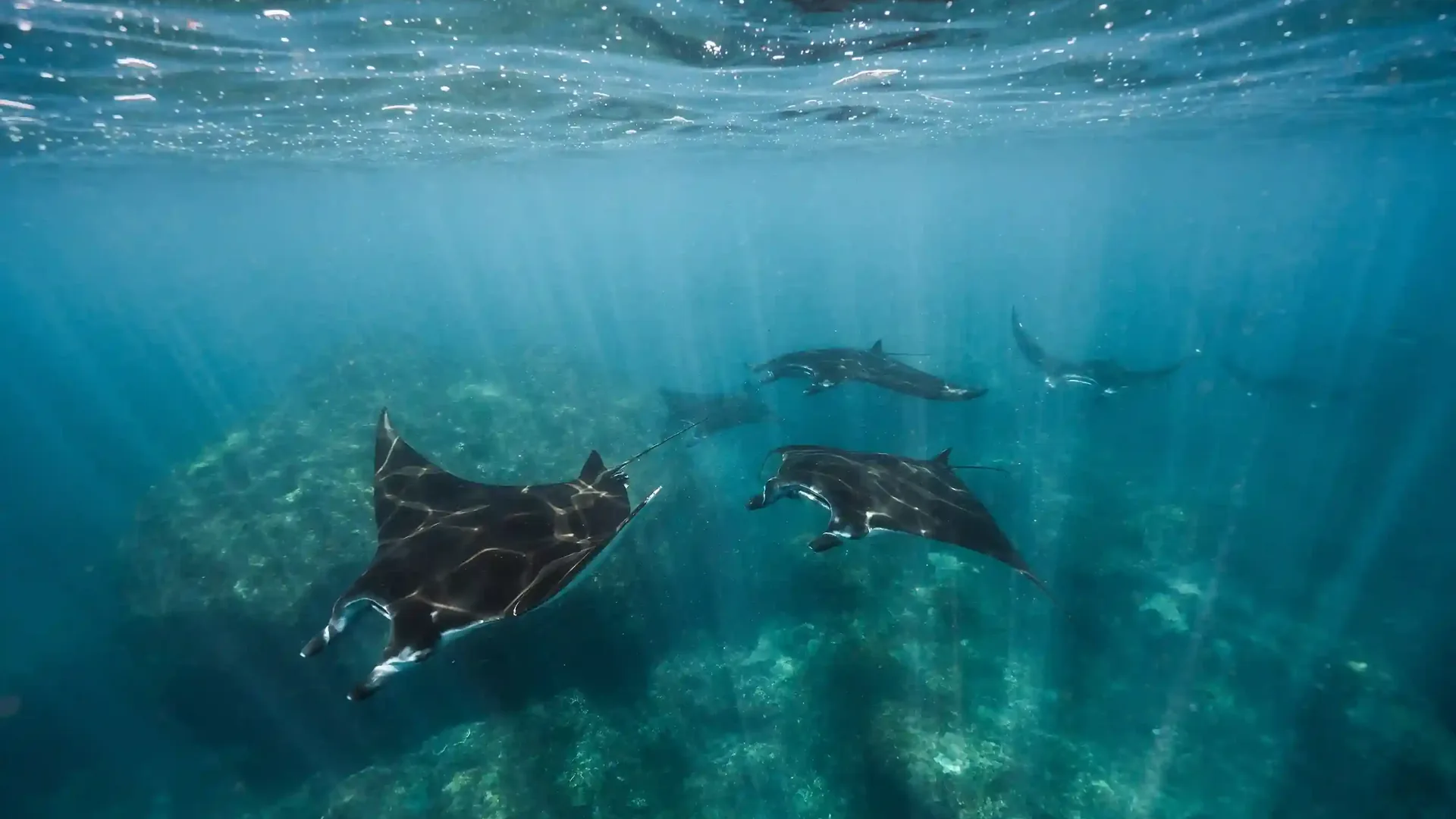
Manta rays in Manta Alley primarily consist of reef mantas. These graceful creatures are often seen at cleaning stations, where smaller fish help remove parasites. They also engage in feeding patterns influenced by plankton abundance, often visible during the incoming tide when nutrient-rich waters flow in.

Dive Difficulty and Experience Level Required

Manta Alley is best suited for advanced divers due to its strong to mild drift conditions and variable depths ranging from 10–30m. The site demands confidence in drift diving and the ability to manage buoyancy in unpredictable currents. It’s crucial to have prior experience in similar conditions.

Depth Range and Underwater Topography

The dive site spans depths from 10 to 30 meters, with diverse underwater landscapes including swim-throughs and rocky outcrops. These features provide ideal environments for observing manta rays and other marine life unique to the Indian Ocean.

Marine Life Beyond Manta Rays

While Manta Alley is known for its manta rays, divers can also encounter a variety of marine species. The site is home to mobula rays, colorful reef fish, and sometimes even larger pelagics. The vibrant coral gardens add to the biodiversity, making every dive a rich experience.

Drift Dive Characteristics and Tide Timing

Manta Alley is characterized by drift diving, where divers can experience both strong and mild drifts depending on the tide. The incoming tide is particularly favored for enhanced manta ray activity. Understanding tide timing is essential for maximizing the opportunity to witness manta interactions.

Safety Considerations for Advanced Divers

Safety is paramount, especially in drift diving conditions. Divers must be comfortable with drift techniques and should always follow the guide. Maintaining a safe distance of ~3m from the mantas and avoiding any form of chasing or touching is essential. Small-group tours, operated by Komodo Luxury, ensure personalized attention and enhanced safety.

How to Find Manta Alley from Komodo Island

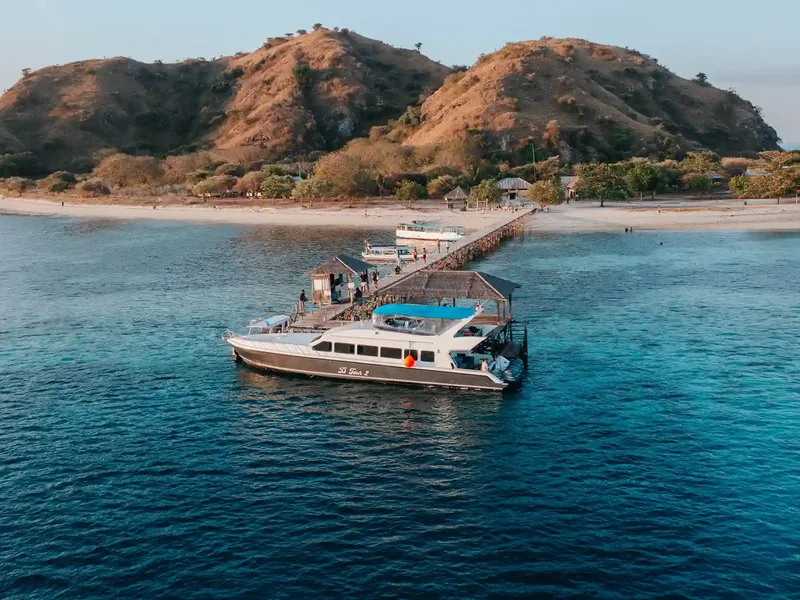
Accessing Manta Alley involves a boat journey of approximately 3-4 hours from Labuan Bajo. This trip can be arranged through Komodo Luxury, which offers organized tours with experienced guides to enhance your diving experience.

Comparison with Other Komodo Dive Sites

Manta Alley stands out for its specific focus on manta rays and its unique location in the southern part of the park. While Manta Point offers snorkeling and diving opportunities closer to Labuan Bajo, Manta Alley provides a more intimate encounter with reef mantas, albeit requiring more advanced diving skills.

What’s Included

  • Guided small-group dives
  • Experienced dive guide
  • Boat transfers
  • Entry/conservation fee (indicative ~USD 10-13 per person per day)

Who It’s For

Manta Alley is ideal for advanced divers seeking a challenging yet rewarding dive experience focused on observing manta rays in their natural habitat. The site requires good drift diving skills and comfort with varying currents.

FAQ

When is the best time to visit Manta Alley Komodo?

The best time to visit is from December to February when manta sightings are most likely, although not guaranteed.

How deep is Manta Alley dive site?

The depth ranges from 10 to 30 meters, offering diverse underwater features.

Are manta rays guaranteed at Manta Alley Komodo?

No, manta sightings are seasonal and cannot be guaranteed.

What experience level is required for Manta Alley?

Advanced diving skills are recommended due to strong drifts and varying depths.

For those eager to explore Manta Alley and experience the majestic manta rays of Komodo, plan your manta day on WhatsApp with our expert team at Manta Point Komodo, operated by Komodo Luxury.

What Makes Manta Alley Unique

Manta Alley, located in the southern part of Komodo National Park, offers a unique diving experience that stands apart from other sites in the region. Known for its dramatic underwater topography, Manta Alley is famed for its impressive rocky outcrops and intricate swim-throughs, creating a dynamic environment for divers. This site primarily attracts reef mantas and other mobula rays, particularly during the southern season from September to April.

One of the defining features of Manta Alley is its cleaning stations—sandy patches where mantas congregate to have parasites removed by cleaner fish. This natural spectacle offers advanced divers the chance to observe these majestic creatures at ease. The location’s placement within the Indian Ocean means that conditions can vary, with incoming tides often creating strong to mild drift dives at depths of 10–30 metres.

Due to its remote location, Manta Alley is typically accessed via a longer boat journey, taking approximately 3–4 hours from Labuan Bajo. This remoteness ensures a quieter experience, free from the crowds found at more accessible sites. For those interested in visiting, it’s worth reviewing our guide on the best time for manta encounters.

  • Entry Fees: ~USD ~10-13 (per person, per day)
  • Best Time: December-February
  • Travel Time: ~3-4 hours from Labuan Bajo

Photography Tips for Manta Encounters

Photographing manta rays at Manta Alley offers a rewarding challenge for underwater photographers. The key is to blend patience with an understanding of the natural environment. Here are some essential tips to enhance your photographic experience:

  1. Gear Preparation: Ensure your camera equipment is suitable for low-light conditions, as the depth and drift can reduce visibility.
  2. Approach and Patience: Maintain the recommended 3-metre distance from the mantas and avoid sudden movements to prevent disturbance.
  3. Use Natural Light: The rocky outcrops and swim-throughs can create stunning play of light and shadows, best captured in early morning or late afternoon.
  4. Composition: Focus on the manta’s cephalic fins and the unique patterns on their undersides for a dramatic shot.

For those wishing to perfect their craft, consider joining a guided diving tour where experts can offer personalised advice in real-time. Remember, each encounter is unique, and patience will often be rewarded with a stunning photograph.

Planning Your Visit to Manta Alley

Planning a trip to Manta Alley requires careful consideration of timing and logistics. The peak manta season is from December to February, when sightings are more frequent, though still never guaranteed. Those aiming for a more personalised experience may explore a private manta charter, allowing for a tailored itinerary.

Visitors should be prepared for variable conditions, as the southern location can experience strong currents. It is recommended for advanced divers due to these challenging aspects. Always check the tidal schedules as dives are best undertaken during incoming tides when mantas are most active at the cleaning stations.

With a potential fee increase in 2026, planning ahead for your 2027 trip is advisable. Keep an eye on entry fees, currently around USD 10-13 per person, per day, paid in IDR.

For further information on booking and logistics, please plan your 2027 Komodo manta trip on WhatsApp.

Manta Alley Location and Geography

Manta Alley is a renowned dive site situated in the southern waters of Komodo National Park. This area is characterised by its dramatic underwater landscapes and diverse marine life, making it a hotspot for observing manta rays. The site is located approximately 3-4 hours by boat from Labuan Bajo, the starting point to Komodo Island. Its remote location in the Indian Ocean provides a unique habitat for reef mantas and mobula rays.

The underwater terrain of Manta Alley features a series of rocky outcrops and swim-throughs, which create natural funnels that attract mantas, especially during the southern season. The site also includes sandy cleaning stations where mantas congregate to be cleaned by smaller fish. These geographical features combine to create an ideal environment for spotting these majestic creatures.

  • Location: Southern Komodo National Park
  • Distance from Labuan Bajo: ~3-4 hours by boat
  • Main Attractions: Rocky outcrops, swim-throughs, cleaning stations

For those planning ahead, consider a plan your 2027 Komodo manta trip on WhatsApp.

Best Season to Dive Manta Alley

Diving at Manta Alley is most rewarding during the southern season, which spans from September to April. However, the peak months for manta ray sightings are between December and February, when the nutrient-rich currents of the Indian Ocean attract large numbers of mantas to the area. It’s important to remember that while sightings are common during this period, they are not guaranteed, as manta rays are wild and migratory creatures.

The incoming tide is particularly favourable for diving at Manta Alley, bringing with it a strong to mild drift that facilitates an exceptional drift dive experience. This natural movement of water not only aids divers in covering more ground but also encourages the presence of manta rays as they feed on plankton brought in by the currents.

  • Best Diving Months: December to February
  • Season Duration: September to April
  • Dive Type: Drift dive, incoming tide

For more insights on optimal diving times, visit our best time to see mantas in Komodo guide.

Plan your 2027 manta adventure by contacting us through WhatsApp.

Manta Ray Behavior and Feeding Patterns

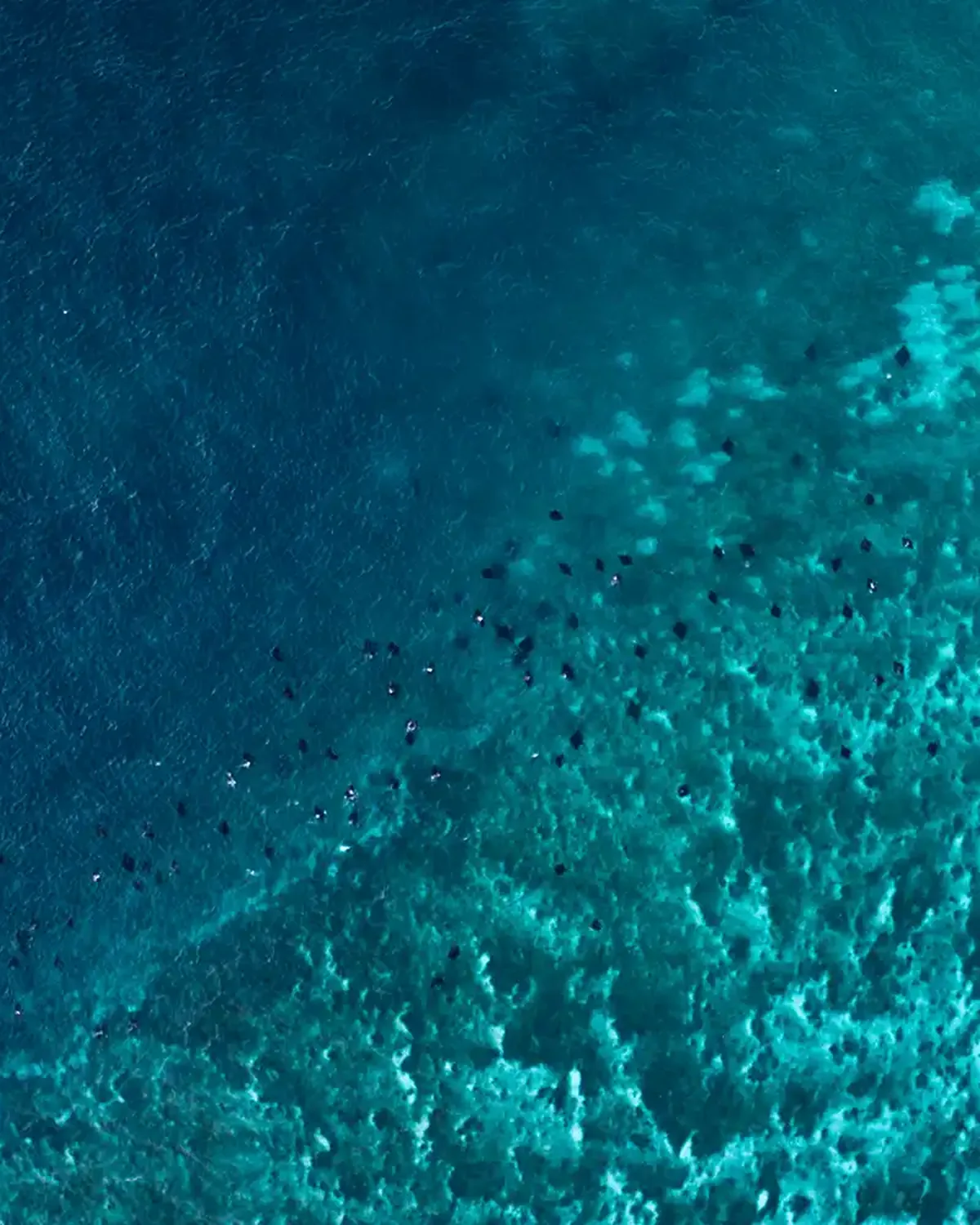
Manta rays at Manta Alley exhibit fascinating behaviours, particularly in their feeding and cleaning rituals. These creatures are primarily filter feeders, consuming plankton in large quantities. The strong currents during the southern season enhance the availability of plankton, which in turn attracts mantas to the area.

Reef mantas, the most commonly sighted species here, often gather around sandy cleaning stations, where smaller fish remove parasites from their skin. This mutualistic relationship is a key part of their behavioural patterns and provides divers with the opportunity to observe mantas up close, always maintaining the recommended ~3 meters distance to avoid disturbing them.

BehaviorDetails
FeedingFilter feeding on plankton
CleaningVisits sandy cleaning stations
Social InteractionOften seen in groups

For a detailed exploration of manta encounters, explore our manta diving guide.

Start planning your unforgettable 2027 manta experience with us on WhatsApp.

Ready to swim with manta rays at Manta Point?

Tell our Komodo Luxury team your dates and group on WhatsApp - we will match you to the right manta snorkel or dive trip, advise on the best month, and handle the park fees, boat and guide.

Call Plan on WhatsApp