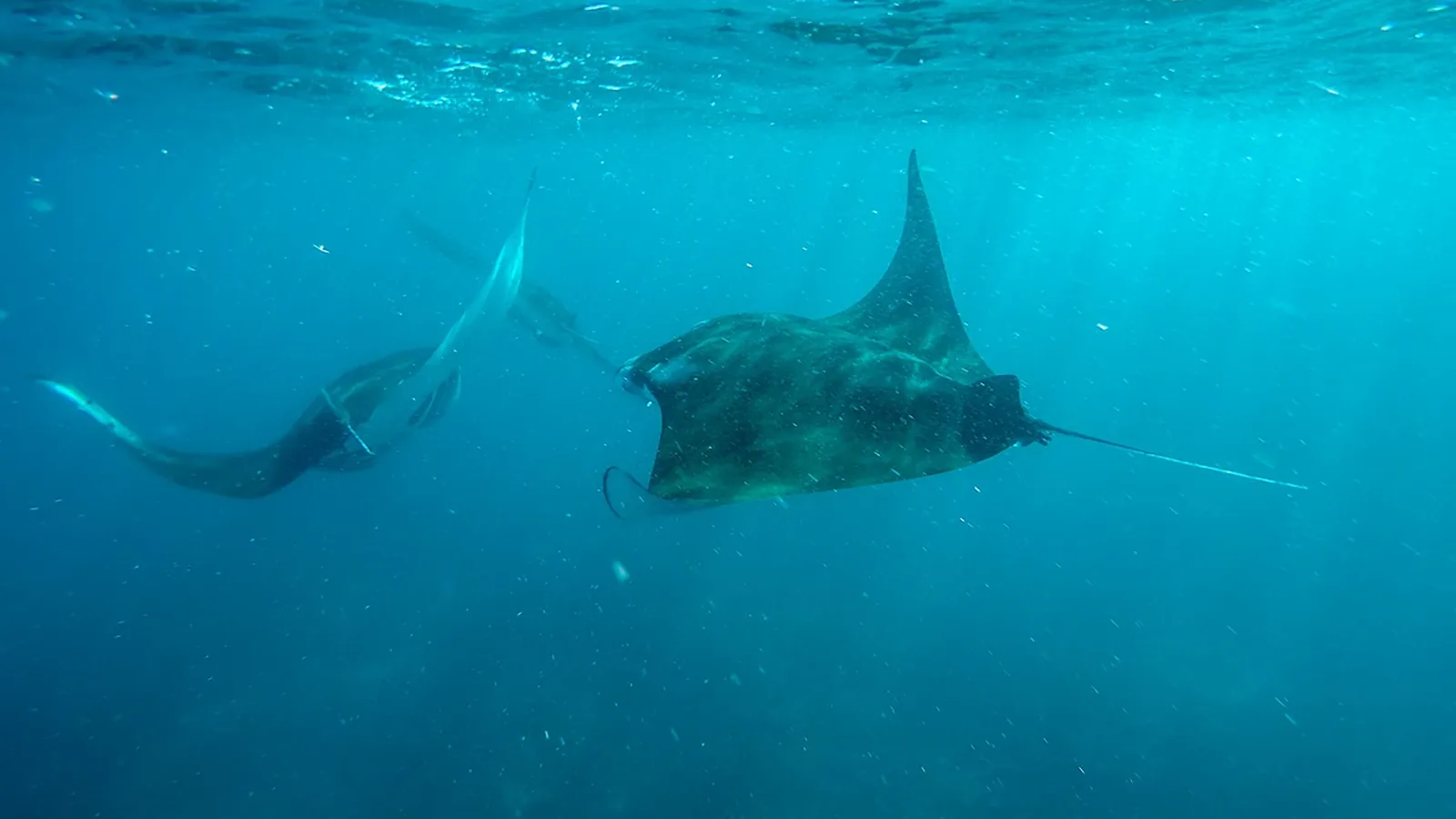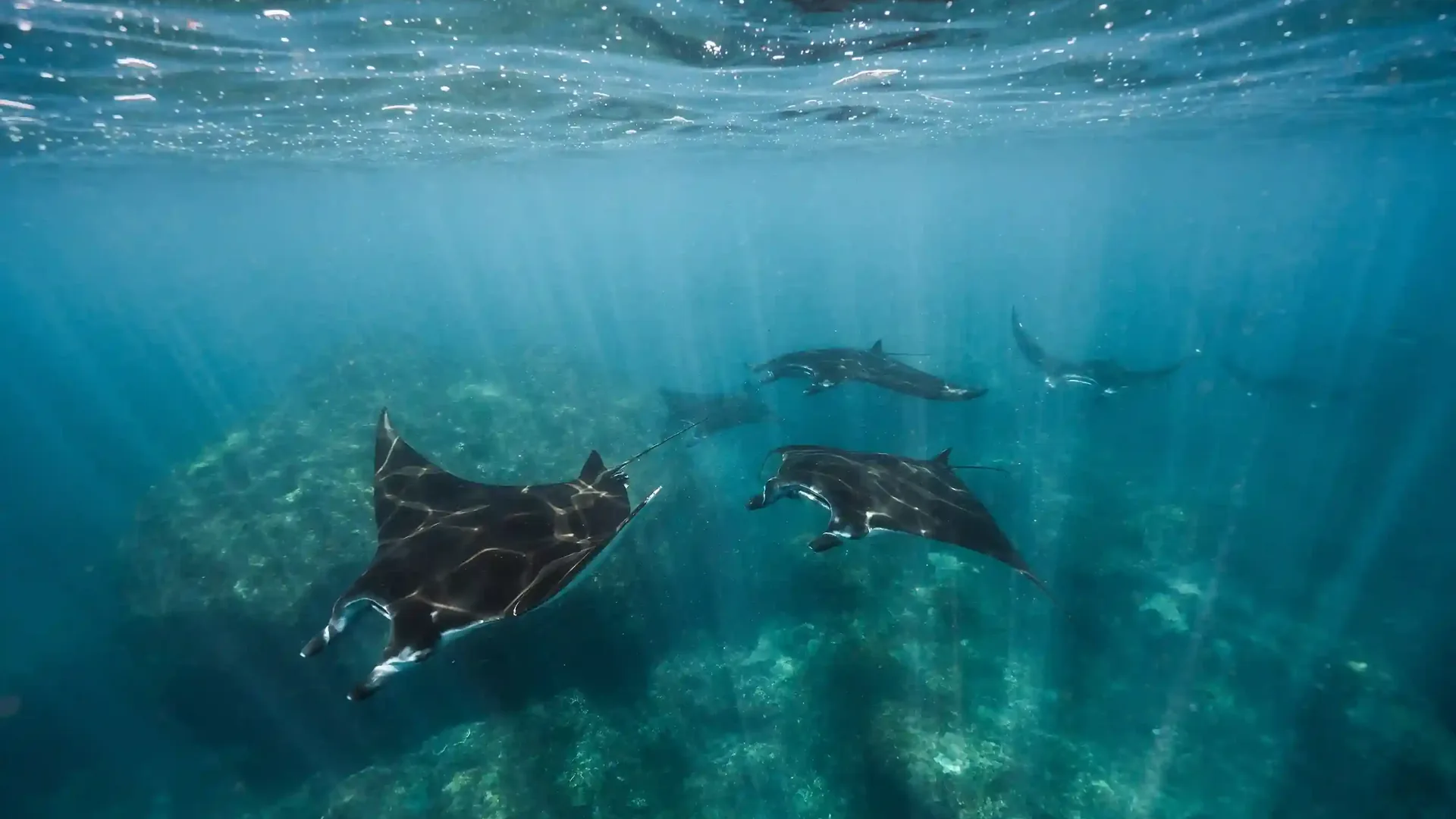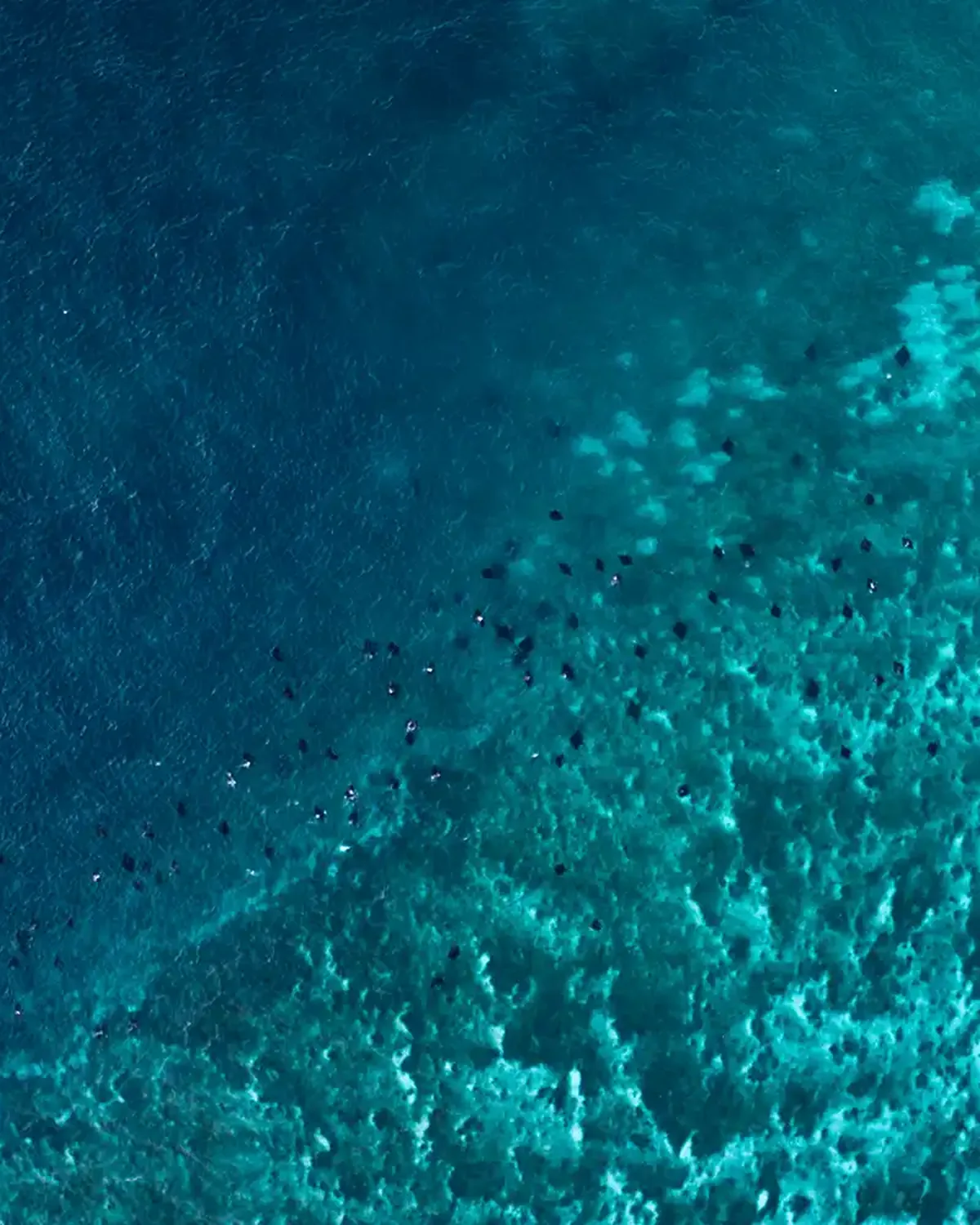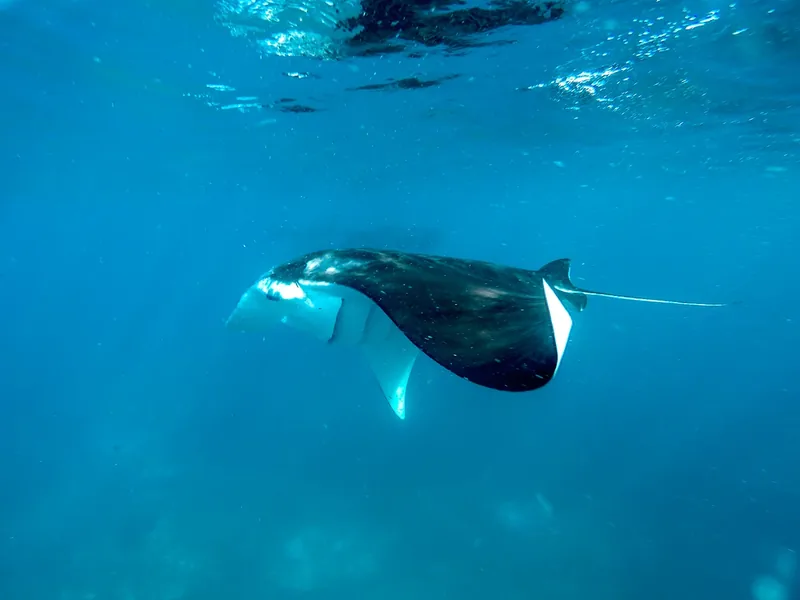
Komodo’s manta season peaks from November to April, with December-February offering the best chances to encounter these majestic creatures. Sightings aren’t guaranteed, but understanding the seasonal patterns can enhance your experience. Ethical guidelines ensure safe interactions: keep a 3m distance, no touching, and follow your guide. Plan your 2027 trip now!
Manta Ray Season in Komodo: November to April Peak
Peak manta ray season in Komodo National Park spans November to April, with the most reliable sightings from December to February. During these months, the nutrient-rich waters attract large groups of reef manta rays, making this the ideal time for manta enthusiasts. However, remember that these are wild animals, and sightings are not guaranteed.
Dry Season vs. Rainy Season: Visibility Trade-offs
The dry season (May to October) offers clearer waters, but fewer mantas, while the rainy season (November to April) brings plankton blooms that reduce visibility but attract more mantas. It’s a trade-off: better visibility or more mantas. For those prioritizing encounters, the rainy season is the better option, although conditions can vary.
Monthly Manta Ray Aggregation Guide (Jan–Dec)
January to March
These months are the heart of manta season. Expect frequent sightings, especially in areas like Manta Point. The plankton-rich waters support large gatherings of mantas.
April to June
A shoulder season, April can still offer good sightings, tapering off as we move into May and June. It’s a quieter time with fewer tourists, making it ideal for those seeking a more personal experience.
July and August
Peak tourist season brings crowds, but fewer mantas. It’s best to manage expectations regarding manta sightings during these months.
September to November
Another shoulder season with increasing chances of sightings as November approaches, setting the stage for the peak season.
Plankton Blooms and Manta Ray Feeding Patterns
Plankton blooms, which occur during the rainy season, are crucial to manta ray feeding. These microscopic organisms are a primary food source for mantas, drawing them to Komodo’s waters in large numbers.
Best Dive Sites for Manta Rays: Manta Point & Manta Alley
Manta Point: Known for snorkeling and diving with reef manta rays, it’s approximately 2-3 hours from Labuan Bajo. Join a snorkelling tour to explore this site.
Manta Alley: Ideal for diving, it’s situated around 3-4 hours from Labuan Bajo. This location is famous for its cleaning stations, where mantas gather to be cleaned by smaller fish.
Shoulder Seasons: April–June and September–November Advantages
Visiting during shoulder seasons can provide a balance of reasonable manta encounters and fewer crowds. April and November are particularly promising, as these months bookend the peak manta season.
Crowd Management: Avoiding July and August Peak Tourism
July and August are the busiest months in Komodo National Park. To avoid crowds and enhance your manta experience, consider visiting outside these months. The best time to see mantas is often when tourist numbers are lower.
Water Temperature and Manta Ray Behavior by Month
Water temperatures in Komodo range from 26-29°C, influencing manta behavior. Warmer waters during the rainy season encourage more active feeding, while cooler waters in the dry season can result in less activity.
Manta Ray Cleaning Stations: How and Where They Work
Manta cleaning stations, like those at Manta Alley, are where mantas gather to have parasites removed by cleaner fish. These interactions are fascinating to observe and are a key reason why mantas frequent certain areas.
Komodo Dragon Nesting Season and Its Impact on Tourism
The Komodo dragon nesting season runs from September to November, coinciding with a shoulder season for mantas. While it doesn’t directly affect manta sightings, it adds another layer of wildlife viewing opportunities in the park.
What’s Included
- Small-group tours
- Guided snorkelling or diving
- Entry/conservation fee (USD ~10-13 per person per day)
- Boat transport
Snorkel vs Dive: Who It’s For
Snorkelling is perfect for those looking to observe mantas from the surface, while diving offers a closer look at cleaning stations. Explore diving options for a more immersive experience.
FAQ
What is the best month to see manta rays in Komodo?
December to February are the best months for manta sightings, as these are peak times during the rainy season.
Is Komodo better for manta rays in rainy or dry season?
The rainy season is better for manta rays due to increased plankton blooms, despite reduced visibility.
Can you see manta rays year-round in Komodo?
While mantas can be seen year-round, sightings are less frequent outside the peak season of November to April.
Why do plankton blooms attract manta rays to Komodo?
Plankton is a primary food source for mantas. Blooms during the rainy season attract them in large numbers, making Komodo a feeding hotspot.
Ready for an unforgettable manta adventure? Plan your manta day on WhatsApp with Manta Point Komodo, operated by Komodo Luxury.
Year-Round Manta Ray Presence: Myth or Reality?
Komodo National Park is renowned for its vibrant marine life, with manta rays being one of the most sought-after creatures. However, the notion of a year-round manta ray presence is a common misconception. While manta rays can be spotted at locations such as Manta Point and Manta Alley, their presence is influenced by seasonal factors, primarily the availability of plankton, their primary food source.
The best manta season typically spans from December to February, during the rainy season. This period is characterised by plankton blooms, attracting reef manta rays in significant numbers. However, this doesn’t mean that mantas are absent during other months. Sightings can occur outside the peak season, but they are less predictable and tend to decrease from May to October when the dry season prevails and plankton availability diminishes.
Despite these seasonal fluctuations, it’s crucial to remember that manta sightings are never guaranteed. The Komodo region is a dynamic ecosystem, and mantas are wild animals whose movements can vary. For those keen on experiencing manta rays, it’s advisable to consider the seasonal patterns and plan accordingly. Our guide provides insights into optimal times for manta encounters.
For those planning a future visit, including 2027, it’s essential to stay updated on any changes in park policies or fees, which are currently around USD 10-13 per day.
Optimal Booking Windows for Wet vs. Dry Season Trips
When planning a trip to Komodo, understanding the differences between the wet and dry seasons can help in selecting the best booking window. The rainy season, from November to April, offers the prime conditions for manta ray sightings at Manta Point and Manta Alley, largely due to the increased plankton blooms.
While plankton blooms enhance manta presence, they can reduce underwater visibility. For some snorkellers and divers, the trade-off is worthwhile, but it is something to consider when planning your excursion. The dry season, from May to October, offers excellent underwater visibility, but manta sightings are less frequent. This period is perfect for those prioritising other marine life or the stunning coral reefs of the park.
For a more tailored experience, consider a private manta charter, which can adjust itineraries based on real-time conditions.
- Rainy Season (Nov-Apr): Best for mantas, lower visibility, fewer crowds
- Dry Season (May-Oct): Better visibility, higher tourist numbers, fewer mantas
Planning in advance, especially for a 2027 trip, ensures the best chances of encountering mantas and enjoying the conditions you prefer.
Understanding Peak and Shoulder Seasons in Komodo National Park
Komodo National Park experiences distinct peak and shoulder seasons, each offering unique experiences for manta enthusiasts. The peak tourist season aligns with the dry season, from May to October. During this time, the park sees an influx of visitors due to favourable weather conditions and school holidays.
However, those primarily interested in manta rays might find the shoulder seasons more appealing. The months just before and after the peak season, such as November and April, offer a balance between manta sightings and manageable visitor numbers. These periods can also provide a more intimate experience at popular sites like the Manta Alley cleaning station.
Shoulder seasons are particularly advantageous for travellers looking to avoid the crowds while still having a fair chance of encountering mantas. The combination of fewer tourists and the tail end of the plankton-rich rainy season can result in rewarding snorkelling and diving sessions.
| Season | Benefits |
|---|---|
| Peak (May-Oct) | Great weather, excellent visibility, more tourists |
| Shoulder (Nov, Apr) | Fewer crowds, good chance for mantas, transitional weather |
For those planning ahead, including trips in 2027, consider these seasonal dynamics when organising your itinerary. To make arrangements, plan your 2027 Komodo manta trip on WhatsApp.