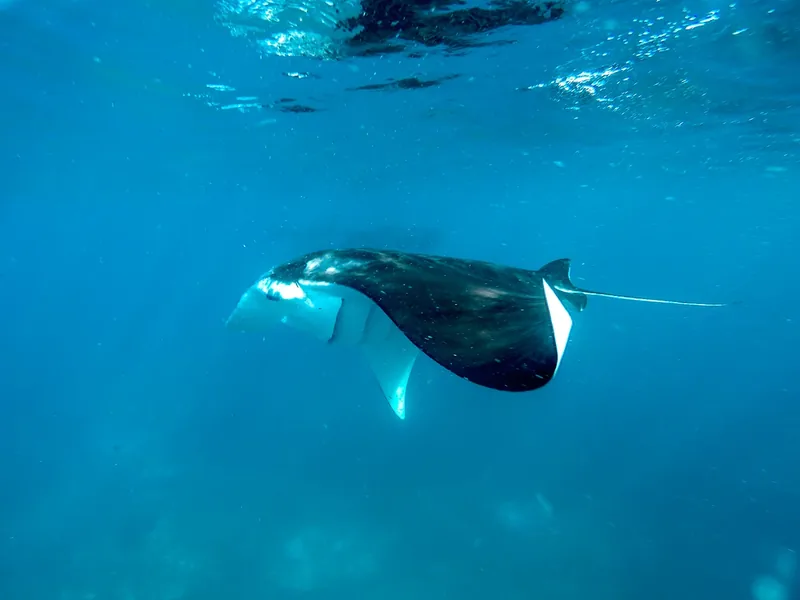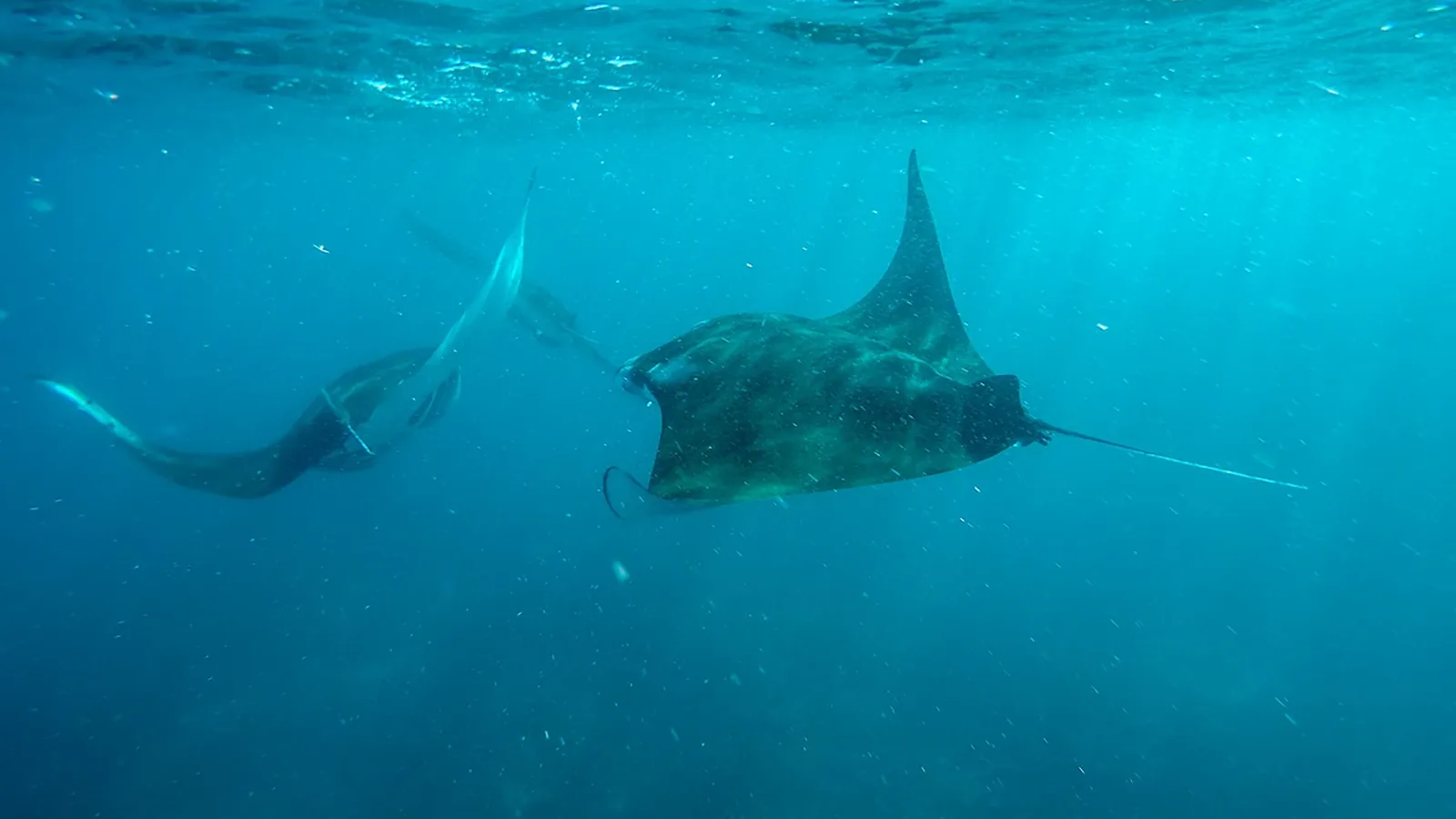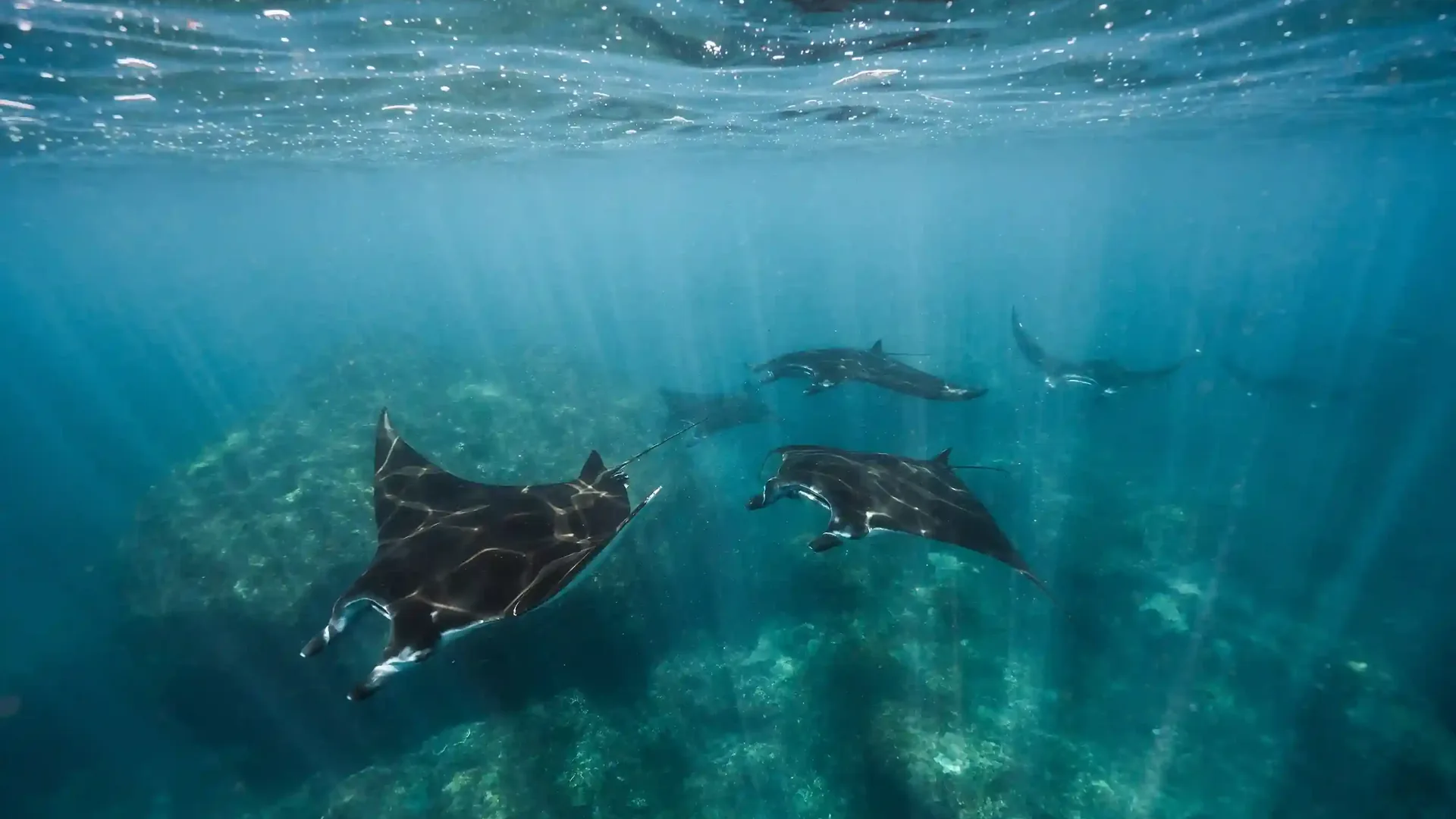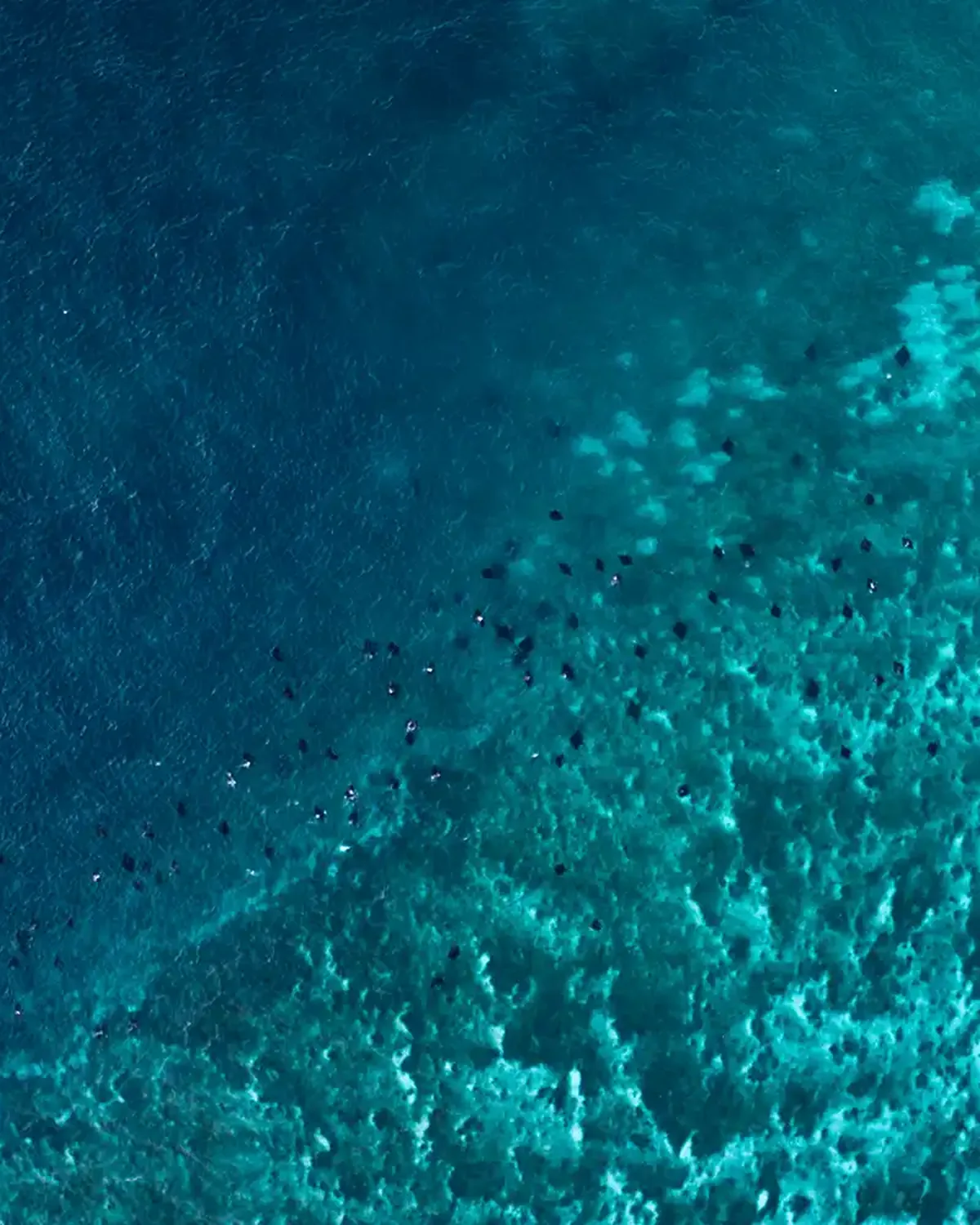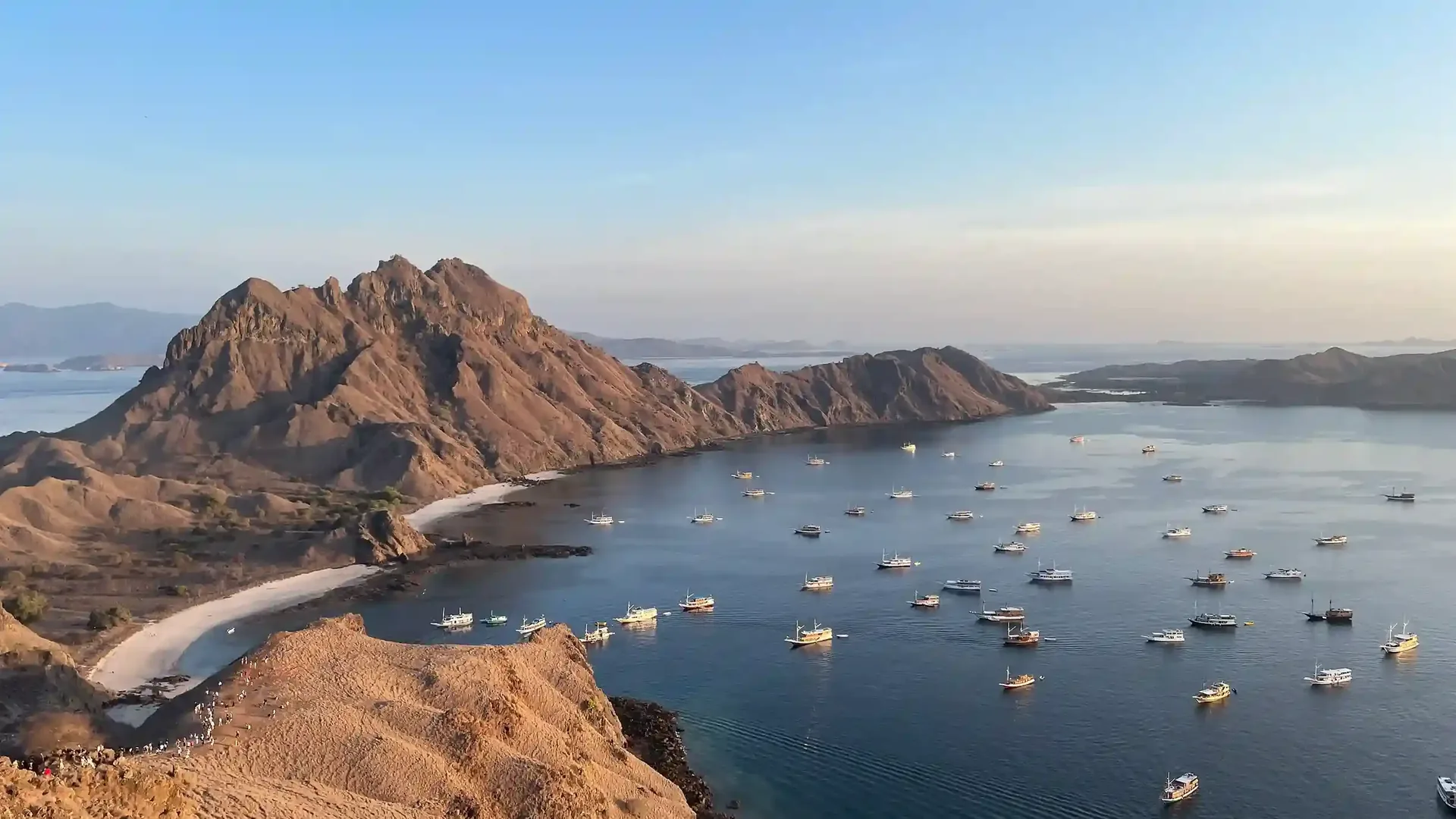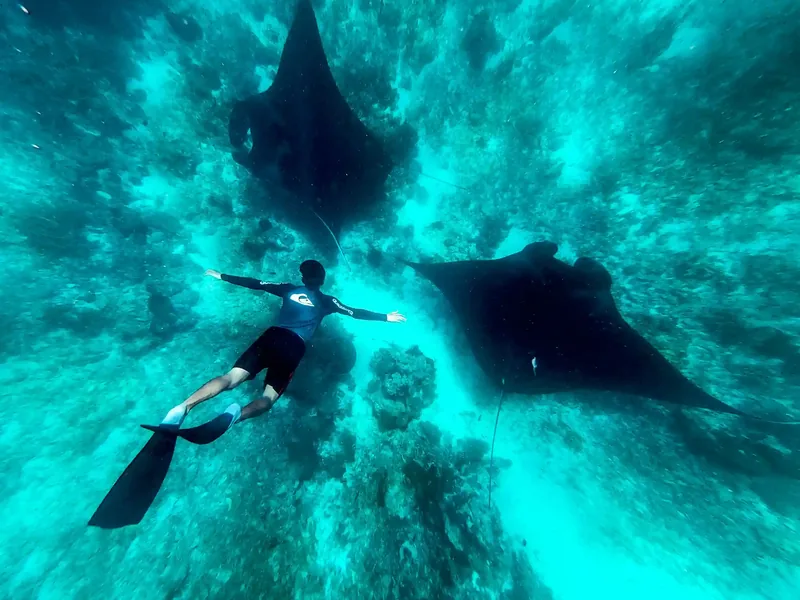
Swim with manta rays in Komodo National Park at ethical sites like Manta Point and Manta Alley. While sightings are seasonal, our small-group tours ensure responsible encounters. Understand the importance of maintaining a 3-meter distance and respecting these majestic creatures. Plan early for a 2027 trip to hit prime months.
Where to Swim with Manta Rays in Komodo
The prime locations to swim with manta rays in Komodo are Manta Point and Manta Alley. Manta Point is ideal for both snorkelers and divers, offering encounters with reef manta rays. It’s about a 2-3 hour boat ride from Labuan Bajo. Manta Alley, best suited for divers, is a bit further, taking approximately 3-4 hours to reach.
Best Time and Season for Manta Sightings
The peak season for manta rays in Komodo is from December to February. These months offer the best conditions for sightings, although they can never be guaranteed as manta rays are wild animals. Planning your visit early for 2027 is advisable to secure spots during this prime window.
Snorkeling vs. Diving with Manta Rays
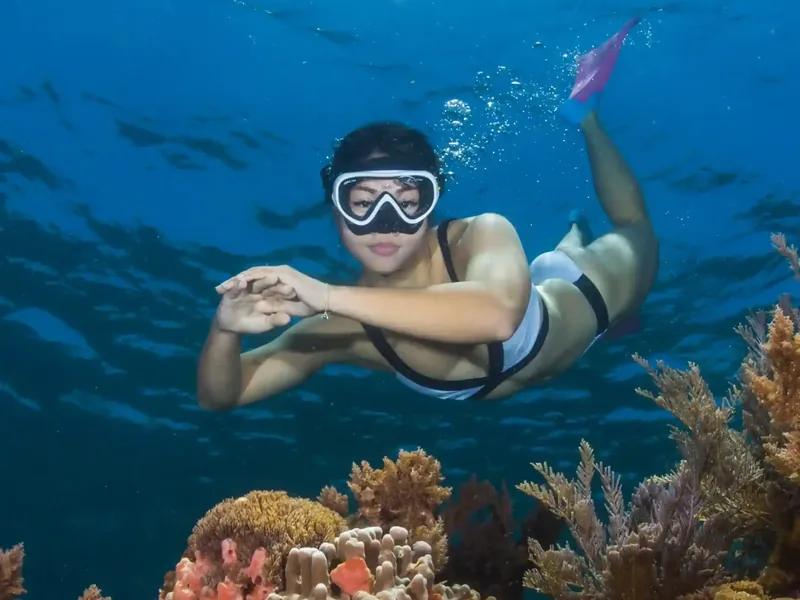
Both snorkeling and diving offer unique experiences with manta rays. Snorkeling is accessible to everyone and provides a surface-level view, while diving allows for closer observations at depth. Ensure you choose an activity that matches your experience and comfort level.
Who it’s for
- Snorkelers: Ideal for beginners or those without diving certification.
- Divers: Suitable for certified divers seeking a deeper experience.
Manta Ray Cleaning Stations Explained
Manta rays frequent cleaning stations, where smaller fish remove parasites from their bodies. Both Manta Point and Manta Alley serve as such stations, providing excellent opportunities to observe these interactions.
How to Behave Around Manta Rays Safely
Respect is paramount when encountering manta rays. Adhere to the 3-meter distance rule, refrain from touching or chasing them, and follow your guide’s instructions. This approach ensures a safe and ethical experience.
Distance Rules and No-Touch Guidelines
Always maintain a minimum distance of 3 meters from the manta rays and adhere to the no-touch policy. These creatures are sensitive and can be disturbed by close proximity.
Photography Tips for Manta Encounters
For capturing the best shots, avoid flash photography as it can distress manta rays. Instead, use ambient light or a red filter video light to enhance your images without causing harm.
Buoyancy Control and Movement Techniques
Practicing neutral buoyancy is essential to avoid disturbing the marine environment. Move slowly and avoid sudden movements, which can startle the manta rays.
Equipment Recommendations for Manta Trips
For a safe and enjoyable trip, consider the following equipment:
- Rash guard or wetsuit: For protection against the sun and stings.
- Mask and snorkel: Essential for clear underwater visibility.
- Fins: For efficient swimming without disturbing the water.
- Reef hook: Useful for divers to stabilize in strong currents.
Safety Precautions and Current Conditions
Before your trip, check the current conditions as Komodo is known for strong currents, making it essential to follow guides closely. Safety is paramount, so ensure you’re comfortable with the day’s conditions.
What’s Included
- Guided small-group tours
- All necessary equipment
- Park entry fees (USD ~10-13 per person per day)
- Boat transfers from Labuan Bajo
FAQ
Can you snorkel with manta rays in Komodo?
Yes, you can snorkel with manta rays at sites like Manta Point, suitable for both snorkelers and divers.
What is the best month to see manta rays in Komodo?
The best months are December to February, though sightings are never guaranteed.
Do I need a diving certification to swim with manta rays?
No, a certification isn’t required for snorkeling, but it is necessary for diving.
How close can you get to a manta ray safely?
Maintain a minimum distance of 3 meters to ensure their safety and yours.
To ensure you have the best experience, plan your manta day on WhatsApp with Manta Point Komodo, operated by Komodo Luxury.
Certification Requirements for Manta Dives
Before starting an adventure to dive with the majestic Reef Manta Rays at Manta Point or Manta Alley, it’s essential to understand the certification requirements. These diving spots within Komodo National Park present unique challenges, making it crucial for divers to be adequately certified and prepared.
To dive at Manta Point and Manta Alley, a minimum certification level of Open Water Diver is generally required. However, due to potential strong currents and the need for excellent buoyancy control, an Advanced Open Water Diver certification is highly recommended. This qualification ensures that divers possess the necessary skills to handle drift dives and maintain neutral buoyancy, which is crucial for minimizing environmental impact and adhering to the 3-meter distance rule from the mantas.
- Certification Required: Open Water Diver (minimum), Advanced Open Water Diver (recommended)
- Skills Emphasized: Buoyancy control, drift diving, environmental awareness
Appropriate equipment, such as a wetsuit, mask and snorkel, and fins, is necessary for comfort and safety in the water. A reef hook may also be used to stabilize yourself in areas with strong currents, allowing for a relaxed viewing experience. Remember, a no-touch policy is strictly enforced to protect the manta rays and the marine ecosystem. For more information on diving in this area, visit our Manta Point Diving Guide.
If you’re planning a trip for 2027, you might want to consider booking in advance to ensure a spot during the best manta season from December to February. Plan your 2027 Komodo manta trip on WhatsApp.
Environmental Impact of Human Interaction
Exploring the vibrant underwater world of Komodo National Park, particularly at sites like Manta Point, Manta Alley, and Makassar Reef, is a privilege that comes with significant responsibility. Understanding and minimizing the environmental impact of human interaction with marine life, especially Reef Manta Rays, is paramount.
Manta rays are highly sensitive creatures, and their well-being can be adversely affected by improper human interaction. Maintaining a 3-meter distance from these gentle giants is crucial, as is adhering to the no-touch policy. It is essential to avoid causing stress or harm to the mantas, particularly at cleaning stations, where they come to rid themselves of parasites.
- Distance Rule: Maintain a 3-meter distance from manta rays
- Photography: Use ambient light or a red filter video light; avoid flash photography
- Clothing: Wear a rash guard or wetsuit to protect both yourself and the environment
In addition, divers and snorkelers are encouraged to use ambient light or red filter video lights for photography to avoid disturbing the mantas with flash photography. Wearing a rash guard or wetsuit not only provides personal protection but also helps in preventing sunblock chemicals from entering the water and affecting marine life.
For a responsible and ethical manta experience, consider joining a guided Komodo Manta Tour that emphasizes conservation and education. Plan your 2027 Komodo manta trip on WhatsApp.
Where to Swim with Manta Rays in Komodo
Komodo National Park boasts several top-tier locations where you can snorkel or dive with the majestic Reef Manta Rays. The most renowned spots include Manta Point, Manta Alley, and Makassar Reef.
Manta Point is located approximately 2 to 3 hours by boat from Labuan Bajo. It offers both snorkelling and diving opportunities. The gentle currents and the abundance of plankton make it a popular gathering area for mantas.
Manta Alley, a bit further at 3 to 4 hours from Labuan Bajo, is known for its slightly stronger currents, attracting more experienced divers. This site is particularly favoured during the peak manta season, providing a thrilling drift dive experience.
Makassar Reef is another excellent spot, known for its expansive coral gardens and clearer waters, making it ideal for both snorkelers and divers.
- Manta Point: ~2-3 hours from Labuan Bajo
- Manta Alley: ~3-4 hours from Labuan Bajo
- Komodo NP Entry Fee: ~USD 10-13 per person, per day
For more in-depth guidance, consider checking our Manta Point guide, which provides detailed insights into each location.
Plan your 2027 Komodo manta trip on WhatsApp.
Best Time and Season for Manta Sightings
The best time to increase your chances of encountering manta rays in Komodo is during the months of December to February. This period coincides with the rainy season, which brings nutrient-rich waters that attract mantas in larger numbers.
While manta sightings are seasonal and never guaranteed, the conditions during these months are generally favourable for spotting them:
- Increased plankton blooms attract mantas
- Warmer water temperatures enhance manta activity
- Fewer tourists mean less crowded experiences
It’s important to remain flexible with your plans, as weather conditions can affect visibility and manta behaviour. Keep in mind that entry fees for Komodo National Park are around USD 10-13 per person, per day, with potential increases in 2026. Payment in IDR is preferred.
For more on seasonal patterns, visit our best time for mantas in Komodo page.
Plan your 2027 Komodo manta trip on WhatsApp.
Snorkeling vs. Diving with Manta Rays
Deciding between snorkelling and diving at Komodo’s manta sites depends on your experience level and personal preference. Both activities offer unique perspectives on the enchanting manta rays.
Snorkelling is ideal for beginners and those who prefer staying closer to the surface. The warm, clear waters of sites like Manta Point and Makassar Reef provide excellent visibility and opportunities to observe mantas gliding below. Remember to wear a rash guard or wetsuit, and follow the 3-meter distance rule to respect the mantas’ space.
Diving allows for a more immersive experience, especially at Manta Alley, where currents can offer thrilling drift dives. Divers should maintain neutral buoyancy and avoid using flash photography, opting instead for ambient light or a red filter video light to capture these gentle giants.
| Activity | Price (USD) |
|---|---|
| Manta Snorkel Day | 80-120 |
| Private Manta Snorkel Day | 250-350 |
For specific insights on snorkelling, check our Manta Point snorkelling page, or explore Manta Point diving for diving details.