Discover the exhilarating world of manta point diving in Komodo National Park. While sightings of these gentle giants are seasonal, visiting between December and February offers the best chance. Always remember to keep a respectful distance and follow our ethical guidelines for a memorable encounter.
What is Manta Point and Why It’s Famous
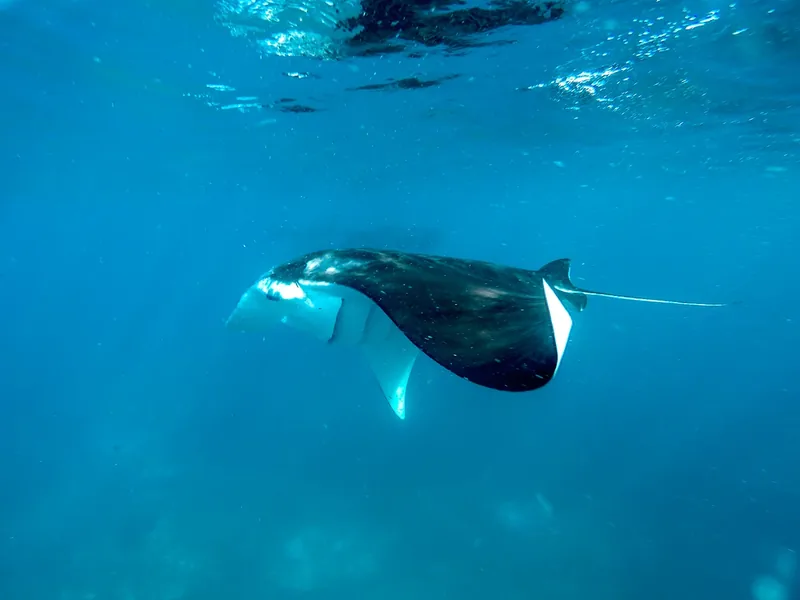
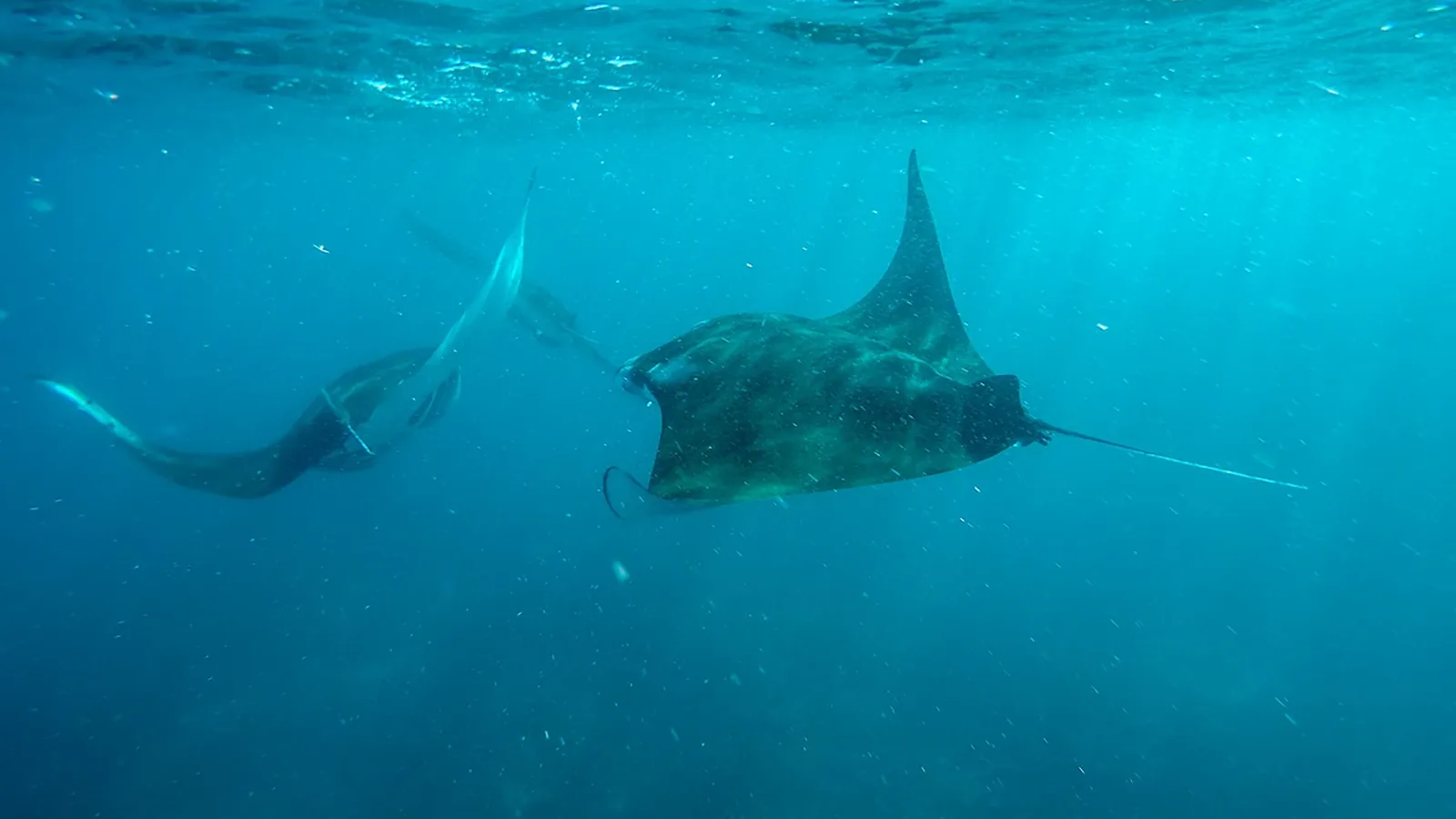
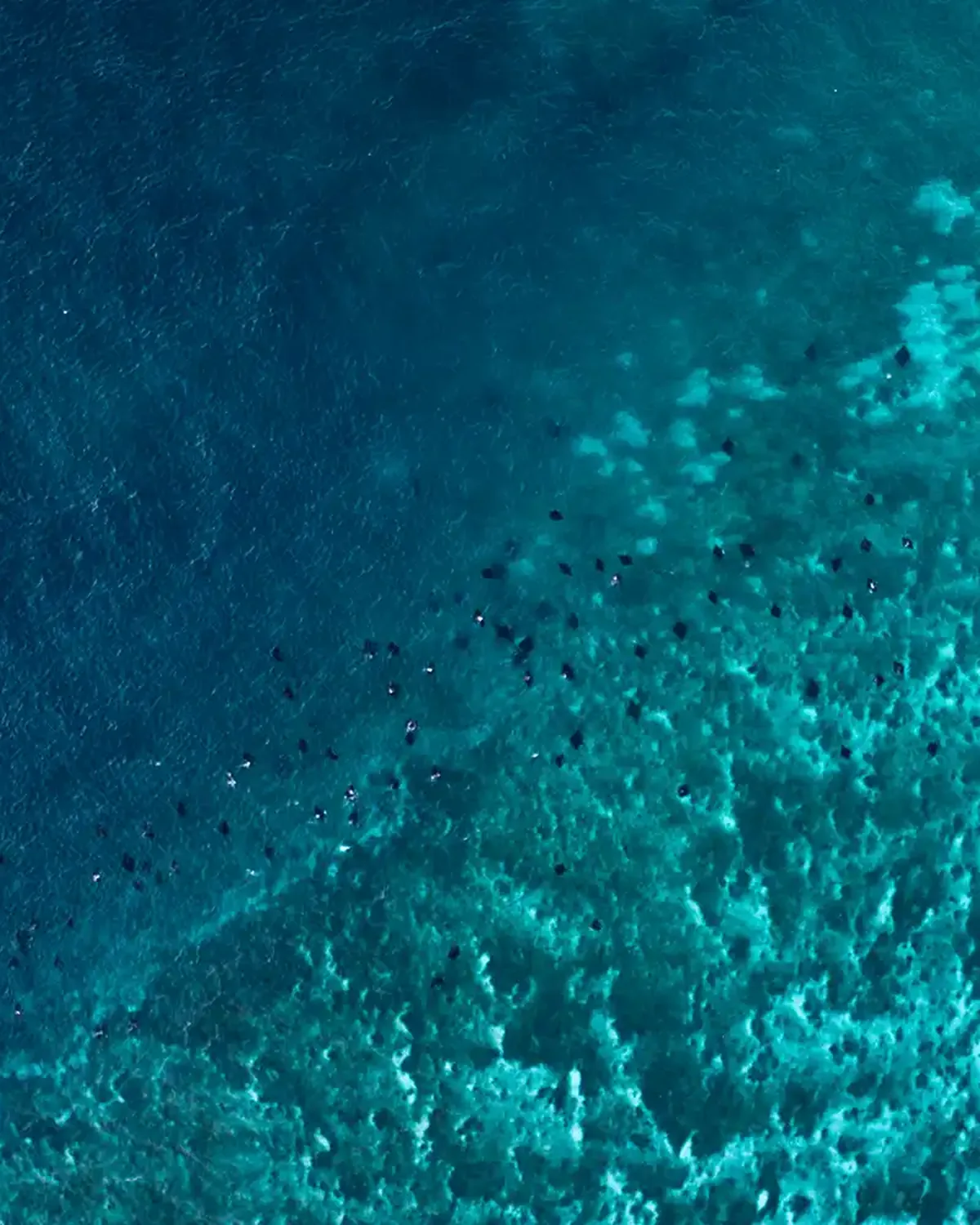
Manta Point, located in the stunning Komodo National Park, is renowned for its frequent sightings of reef manta rays. Unlike the larger oceanic manta rays, reef mantas are commonly seen here, particularly due to the cleaning stations on the rocky reefs. These cleaning stations are lively hubs where mantas gather to be cleaned by smaller fish, making it an ideal spot for divers and snorkelers.
Best Time to Visit Manta Point for Manta Rays
The optimal time for manta sightings at Manta Point is from December to February. While sightings are not guaranteed, these months offer the highest likelihood of encountering these majestic creatures. Planning ahead for a 2027 trip can ensure you experience the best conditions.
Manta Point Depth and Visibility Conditions
Manta Point offers ideal conditions for both divers and snorkelers, with depths ranging from 5 to 15 meters. Visibility typically ranges from 10 to 15 meters, though it can vary with seasonal currents and weather conditions.
Understanding Manta Point as a Cleaning Station
Manta Point is a critical cleaning station where reef manta rays gather to be cleaned by smaller fish. These interactions are essential for the health of the mantas, making this site a fascinating spot for observing natural marine behaviors without disrupting these gentle giants.
How to Prepare for Cold Water at Manta Point
The waters at Manta Point can be surprisingly chilly, often dropping to temperatures that necessitate a 5mm or 7mm wetsuit. Preparation is key, ensuring you enjoy the dive comfortably without the distraction of cold water.
Manta Point Currents and Wave Safety
While Manta Point is generally considered safe, divers should be aware of potential currents. These currents can vary, and it’s crucial to dive with a certified guide who knows the area well.
Certification Requirements for Diving Manta Point
To dive at Manta Point, participants must be certified divers. This ensures safety and allows you to fully enjoy the experience without logistical concerns. If you’re not yet certified, consider starting your diving journey before visiting.
Snorkeling vs Scuba Diving at Manta Point
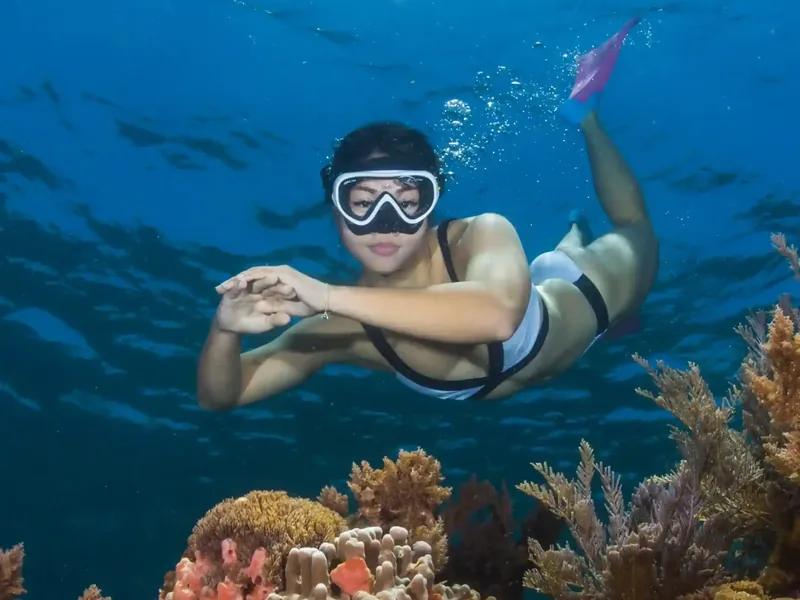
Both snorkeling and diving offer unique perspectives at Manta Point. Snorkelers can enjoy surface-level views of mantas gliding gracefully, while divers can explore the cleaning stations up close. Our small group sizes ensure personalized experiences, regardless of your chosen activity.
What’s Included
- Guided snorkeling or diving with expert guides
- Boat transfers from Labuan Bajo
- All necessary equipment (wetsuit, mask, fins)
- Komodo National Park entry fee
Who It’s For
- Certified divers seeking adventure
- Snorkelers looking for exhilarating wildlife encounters
- Marine enthusiasts passionate about ethical interactions
Marine Life Beyond Manta Rays at Manta Point
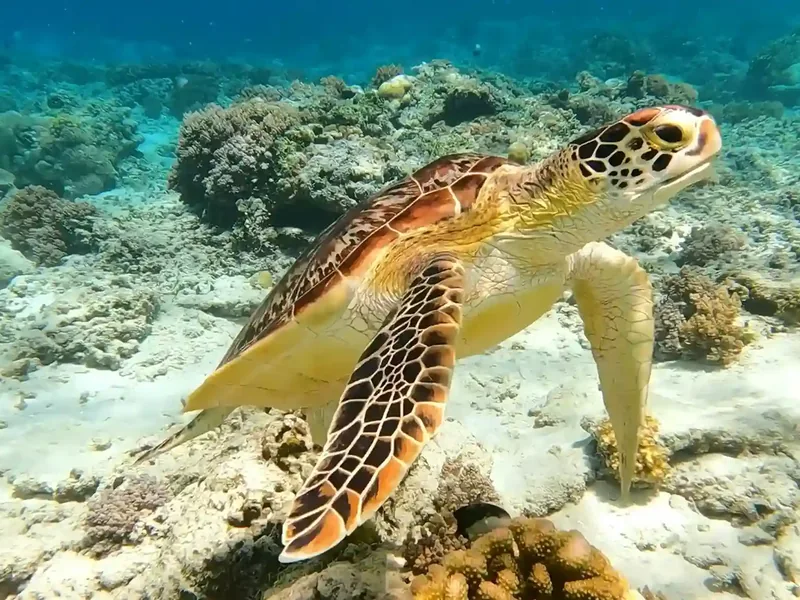
While mantas are the star attraction, Manta Point also boasts a rich marine ecosystem. Divers can expect to see vibrant coral formations, various fish species, and even the occasional turtle or reef shark.
Travel Logistics to Manta Point from Bali
Getting to Manta Point involves a short flight from Bali to Labuan Bajo, followed by a boat transfer to the site. The journey can take approximately 2-3 hours from Labuan Bajo, offering scenic views along the way.
FAQ
When is the best time to see manta rays at Manta Point?
The best time is between December and February, though sightings are not guaranteed.
Do I need to be a certified diver to visit Manta Point?
Certification is required for scuba diving, but snorkelers can enjoy the experience without certification.
Is Manta Point suitable for snorkeling?
Yes, Manta Point is excellent for snorkeling, offering surface views of manta rays and other marine life.
How cold is the water at Manta Point?
Water temperatures can be quite cold, often requiring a 5mm or 7mm wetsuit for comfort.
Ready to experience the thrill of manta rays at Manta Point? Plan your manta day on WhatsApp with Manta Point Komodo, operated by Komodo Luxury.
Safety Guidelines When Encountering Manta Rays
Experiencing the majestic presence of oceanic manta rays at Manta Point or Manta Alley is a highlight for many divers and snorkelers. While these gentle giants captivate with their grace, it is crucial to adhere to specific safety guidelines to ensure a respectful interaction.
- Maintain Distance: Always keep a minimum of three meters from the manta rays to avoid distressing them.
- No Touching: Refrain from touching or chasing the manta rays. Their protective mucous membrane can be damaged by human contact.
- Control Your Buoyancy: Proper buoyancy control is essential to prevent accidental contact with the coral formations or rocky reefs.
- Stay Calm: Sudden movements can startle manta rays. Stay calm and move slowly in the water.
For more details on how to prepare for your manta adventure, visit our Manta Point guide.
Cost and Booking Options for Manta Point Dives
Diving at Manta Point, Komodo National Park, offers an unforgettable experience with its vibrant marine life and manta cleaning stations. Understanding the costs and booking options is crucial for planning your trip.
Entry fees to Komodo National Park range from USD 10-13 per person per day, with anticipated increases in 2026. It’s advised to pay in IDR for convenience. The cost for a typical manta snorkel day ranges from USD 80-120, while a private manta snorkel day may cost between USD 250-350.
| Activity | Price (USD) |
|---|---|
| Manta Snorkel Day | 80-120 |
| Private Manta Snorkel Day | 250-350 |
For those interested in diving, ensure you are a certified diver and prepared for the cold water conditions often encountered. Visibility ranges from 10 to 15 meters, with depths between 5 to 15 meters and typically no currents. It’s advisable to wear a 5mm or 7mm wetsuit to stay comfortable.
Visit our Manta Point Diving page to book your adventure today.
Planning Your Manta Encounter in 2027
As you consider your future travel plans, it’s never too early to start thinking about a manta encounter in 2027. The best time for manta sightings at Komodo National Park is typically from December to February. However, given that sightings are seasonal and not guaranteed, planning ahead is key.
Manta Point is approximately 2-3 hours from Labuan Bajo, while Manta Alley is about 3-4 hours away. To maximise your time with these fascinating creatures, consider booking a private manta charter. This option not only offers flexibility but also a more personalised experience.
Remember, entry fees to the park are subject to change, so staying informed about potential increases is beneficial. Ensure your wetsuit is ready for the cold water, and anticipate visibility conditions of 10 to 15 meters. For a more comprehensive guide, explore our best time to visit Manta Komodo resource.
To plan your 2027 Komodo manta trip on WhatsApp, reach out to us today and let us help you create unforgettable memories.
What is Manta Point and Why It’s Famous
Manta Point, located within the stunning Komodo National Park, is renowned for its frequent sightings of majestic oceanic manta rays. This site has earned its fame due to its role as a crucial cleaning station, where manta rays gather to be cleaned by smaller marine organisms. The symbiotic relationship between these gentle giants and the cleaning fish is a fascinating spectacle for divers and snorkelers.
The draw of Manta Point extends beyond the mantas themselves to include vibrant rocky reefs and diverse marine life. The site’s unique coral formations provide a perfect backdrop for observing the mantas’ graceful loops and spins. While sightings are not guaranteed, as they are seasonal, the opportunity to witness such awe-inspiring creatures in their natural habitat is worth the journey.
For those seeking to explore this underwater haven, the Komodo NP entry fee is approximately USD 10-13 per person, per day. Payment is preferred in IDR and fees are subject to change, potentially increasing in 2026. To learn more about diving opportunities, explore our Manta Point diving guide.
Best Time to Visit Manta Point for Manta Rays
The optimal window for encountering manta rays at Manta Point spans from April to November, although the peak manta season runs from December to February. During these months, the waters teem with mantas, drawn in by the nutrient-rich currents that sustain their planktonic diet.
Visitors should note that sightings are never guaranteed, as these are wild animals with seasonal patterns. However, planning your trip during the recommended months significantly increases your chances of experiencing a manta encounter.
For more detailed information on planning your visit, see our best time to see mantas guide.
- Peak manta season: December-February
- Optimal visiting months: April-November
- Entry fee: USD 10-13 per person, per day
- Fees may increase in 2026
For advance planning, consider a 2027 Komodo manta trip via WhatsApp.
Understanding Manta Point as a Cleaning Station
Manta Point serves as a vital cleaning station for oceanic mantas, a phenomenon that captivates divers and snorkelers alike. Here, mantas glide over the reefs, pausing to allow cleaner fish, such as wrasses and butterflyfish, to remove parasites and dead skin. This interaction is not only essential for the mantas’ health but also offers a rare opportunity for observers to witness a natural marine event.
The site is characterized by its depth of 5-15 meters and visibility ranging from 10-15 meters, making it accessible for both certified divers and snorkelers. The conditions at Manta Point are typically calm, with no strong currents, facilitating a more relaxed experience.
Given the cold water temperatures, divers are advised to wear a 5mm or 7mm wetsuit. This ensures comfort while enjoying extended periods in the water observing the mantas’ mesmerizing behavior.
| Depth | 5-15 meters |
|---|---|
| Visibility | 10-15 meters |
| Wetsuit recommendation | 5mm or 7mm |
For more about the site, explore our snorkeling guide.
To plan your future adventure, plan your 2027 Komodo manta trip on WhatsApp.