A mask that fits you
Rental masks leak. If you own one that seals, bring it — a flooding mask is the single most common reason people cut a pass short.
Snorkel & Dive · Snorkelling
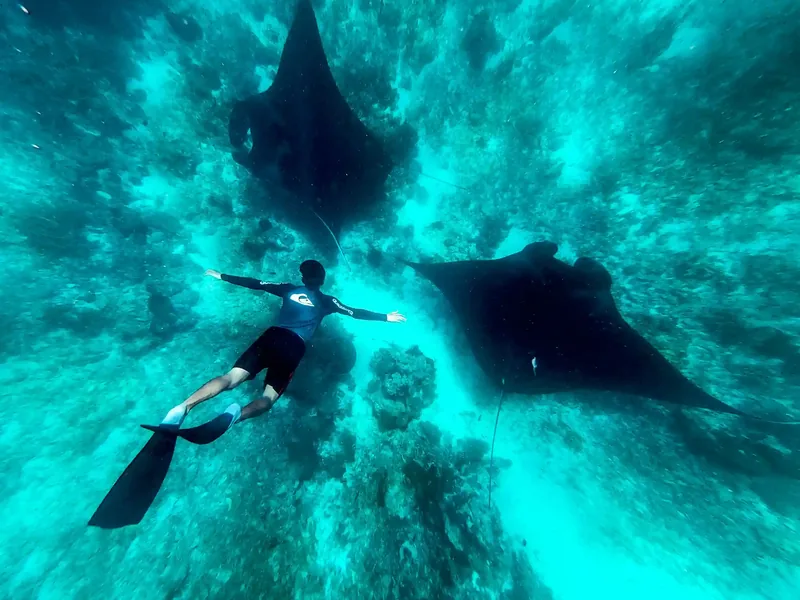
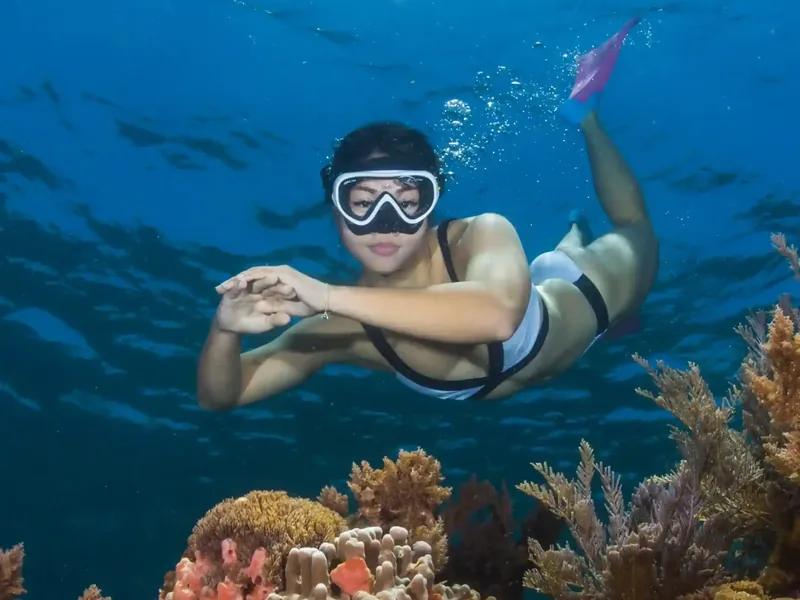
You float with a mild current while mantas circle two to five metres below. No certification, no tank, and no swimming against anything.
Book a snorkel dayDrift snorkelling at Karang Makassar over a reef manta cleaning station. No dive certification needed, guides brief every group before entry, and December to February is the strongest window.
Conditions
Surface conditions above the plateau, not the dive numbers.
Best months are December to February for numbers. Sightings happen year round because these mantas are resident.
In the water
Four steps, and the first one is the one people skip.
Current direction, hand signals, the three-metre rule and where the pickup boat will be. Every reputable operator does this before anyone gets wet.
The group goes in as one so the guide can keep everybody in sight. Late entries drift apart from the group and the boat.
You cross the cleaning station with the tide. Swimming against it exhausts you and puts you over the coral heads the mantas are using.
The boat trails the group and collects you downstream. You do not swim back to where you started.
If a boat puts you in the water without a briefing, that is the signal to be worried, not the current.
Operators supply the basics. These are the ones worth owning.
Rental masks leak. If you own one that seals, bring it — a flooding mask is the single most common reason people cut a pass short.
Sun protection that does not wash onto the reef, and a little warmth on a long pass. Better than sunscreen on your back.
Mineral, zinc or titanium, non-nano. Apply it well before you enter so it has bonded rather than floating off you.
Life jackets are carried by every licensed boat. Ask for one — nobody on the boat will think less of you and it changes the whole experience for nervous swimmers.
Where you are
Certification
What you see
Cost
Suits
Both use the same drift technique and the same distance rule. They are different pictures of the same animal.
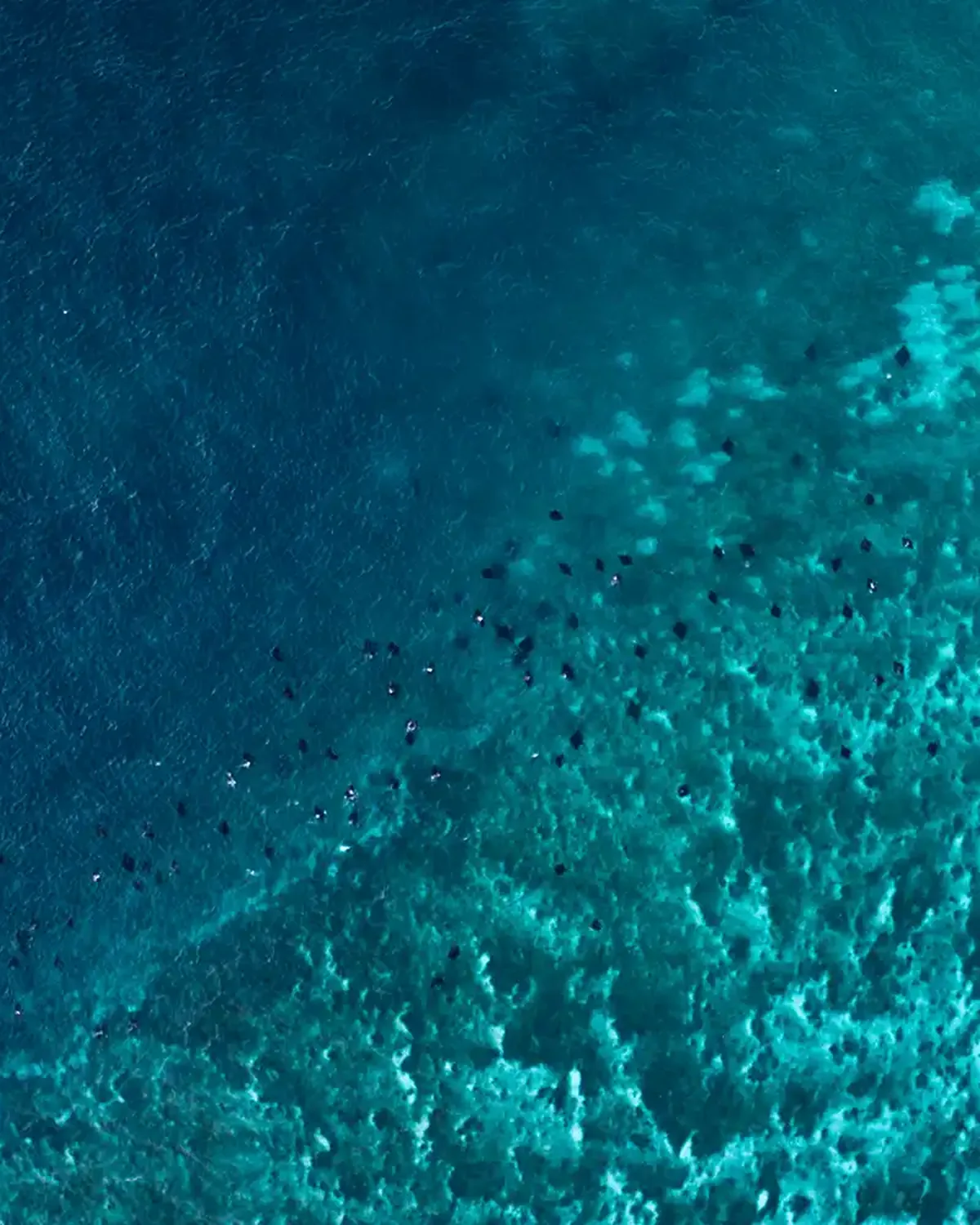
The site itself, and the depth canon.
Read more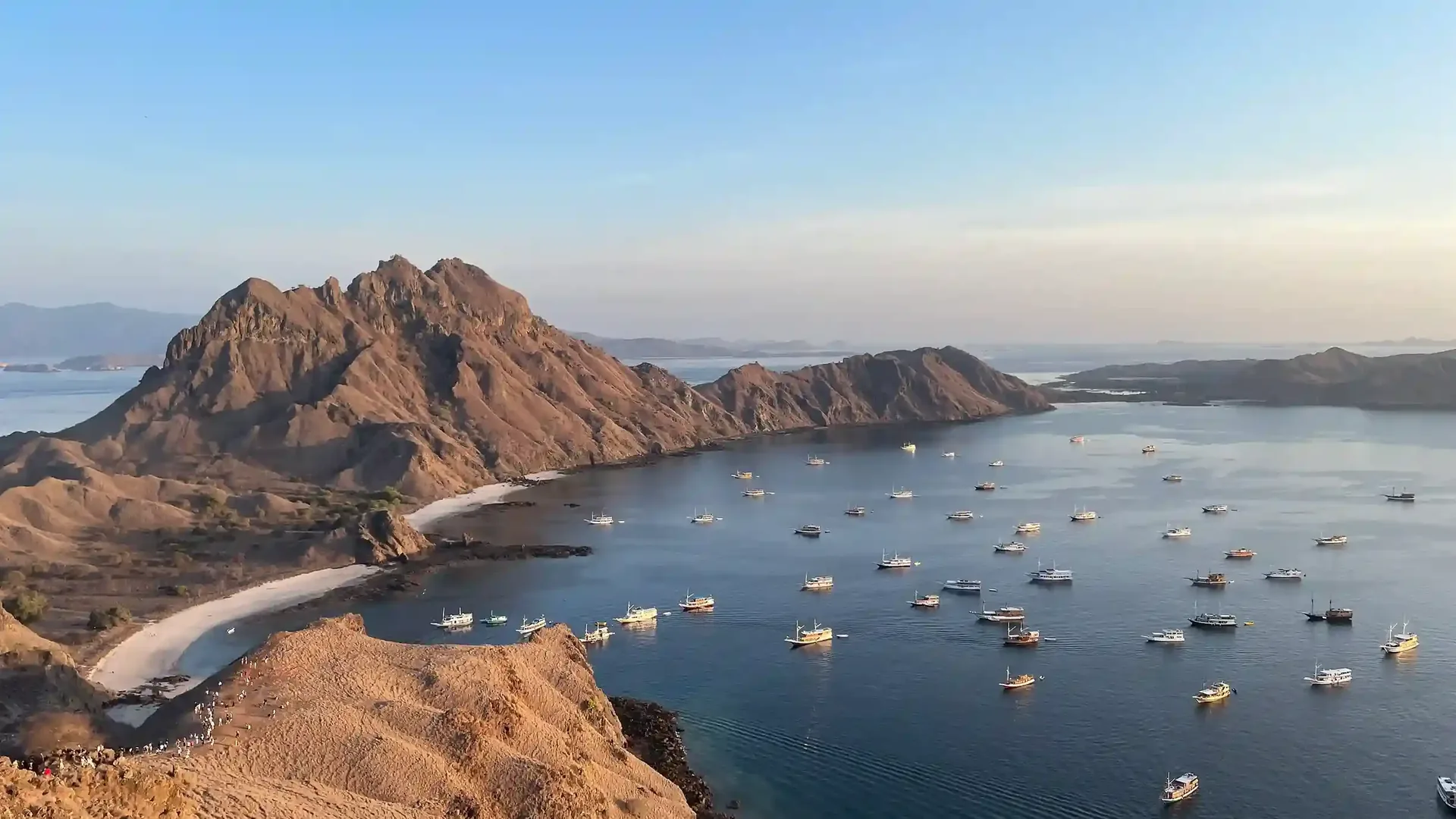
Every Manta Point topic, in one index.
Read more
The 8–18 m plateau, eye level with the stations.
Read more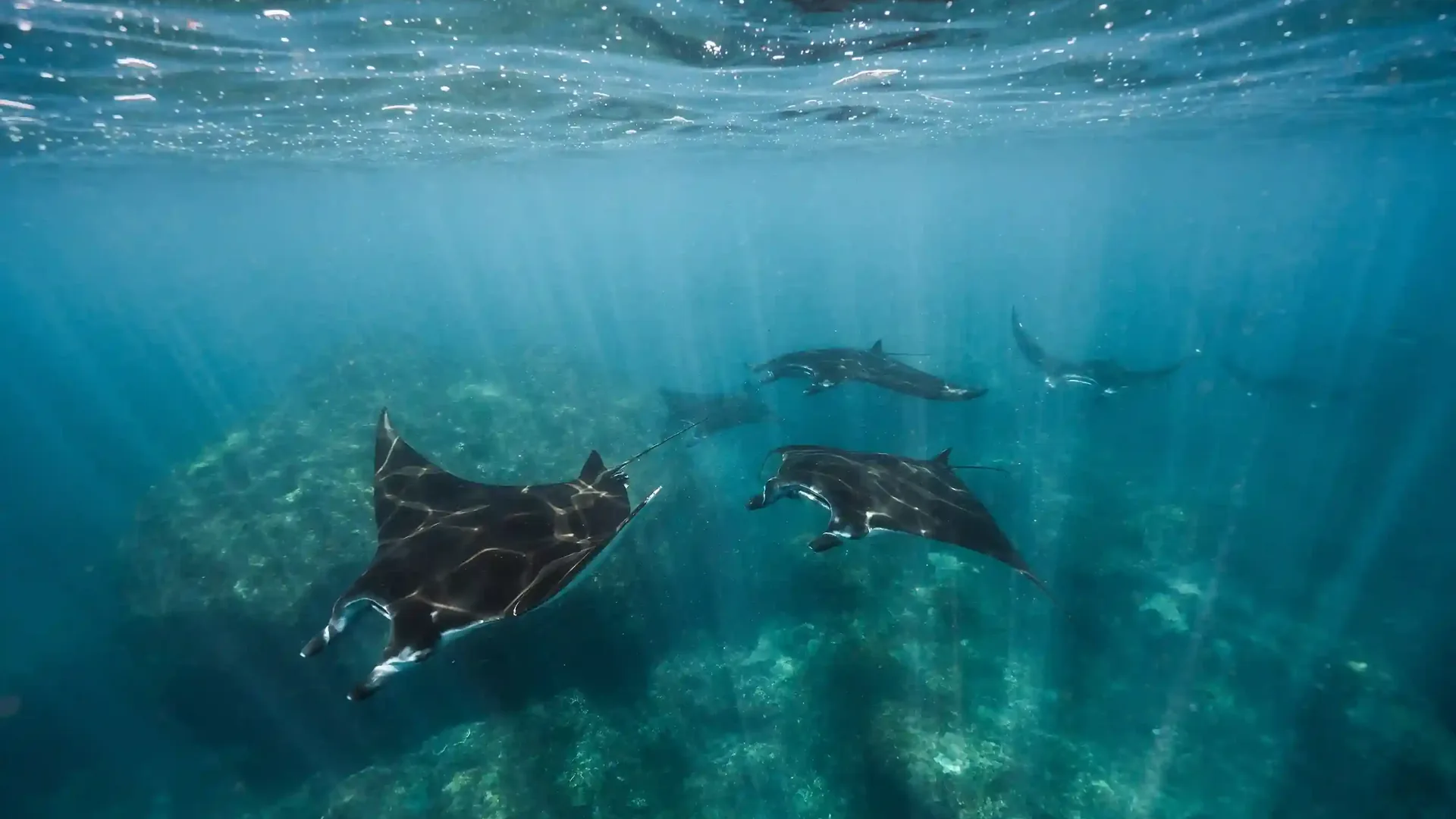
The full day from Labuan Bajo, and what it includes.
Read more
The rules that keep the station working.
Read moreSend Komodo Luxury your dates and group size. They will put you on a boat that briefs properly and times the stop for good light.