Tidal current
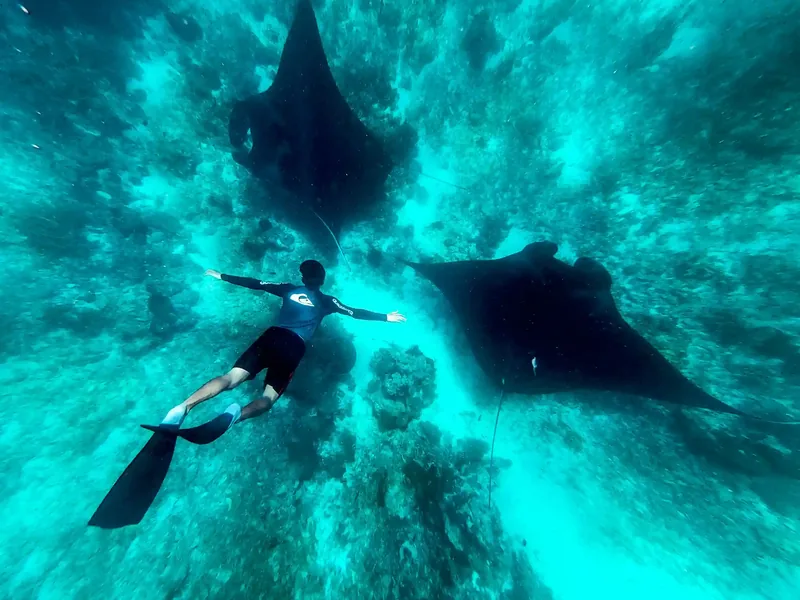
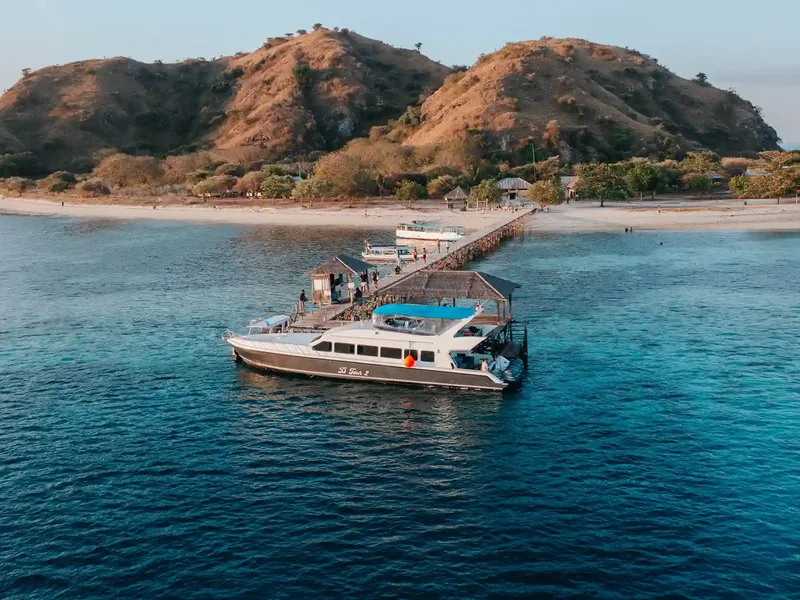
Moderate to strong on some tides. The technique is to drift with it. People get into trouble by swimming against it and exhausting themselves a long way from the boat.
Plan · Safety
The current is manageable. What actually hurts people here is separation from the group and boat traffic sharing the same water. Both are handled by a briefing and a guide who counts heads.
Ask how they briefManta Point is safe when guided. The real hazards are tidal current, boat traffic on the surface, and open water with no reef wall to hold. A pre-entry briefing and a life jacket cover most of it.
Hazards
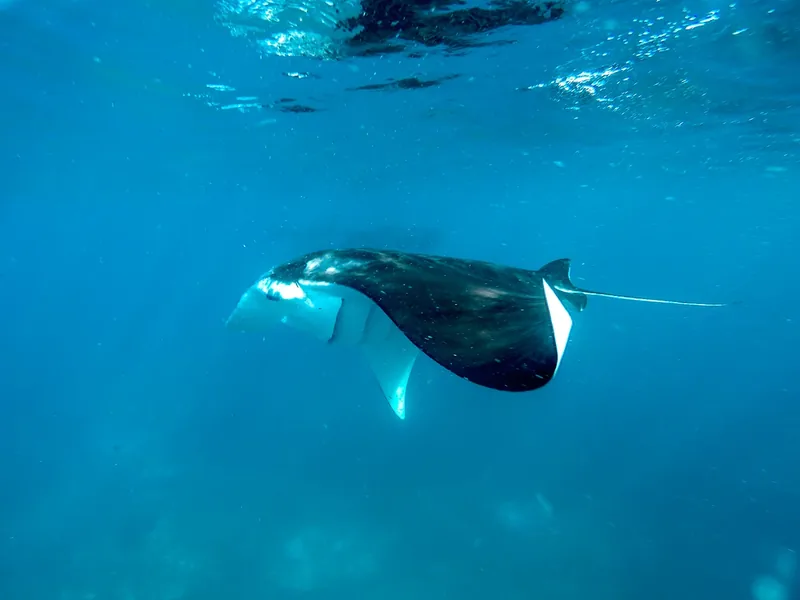
Not the mantas. Never the mantas.
Moderate to strong on some tides. The technique is to drift with it. People get into trouble by swimming against it and exhausting themselves a long way from the boat.
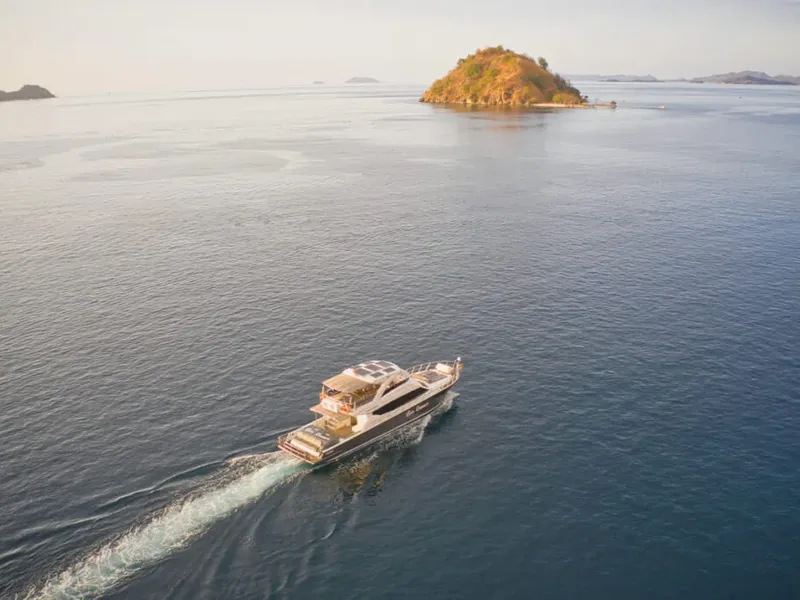
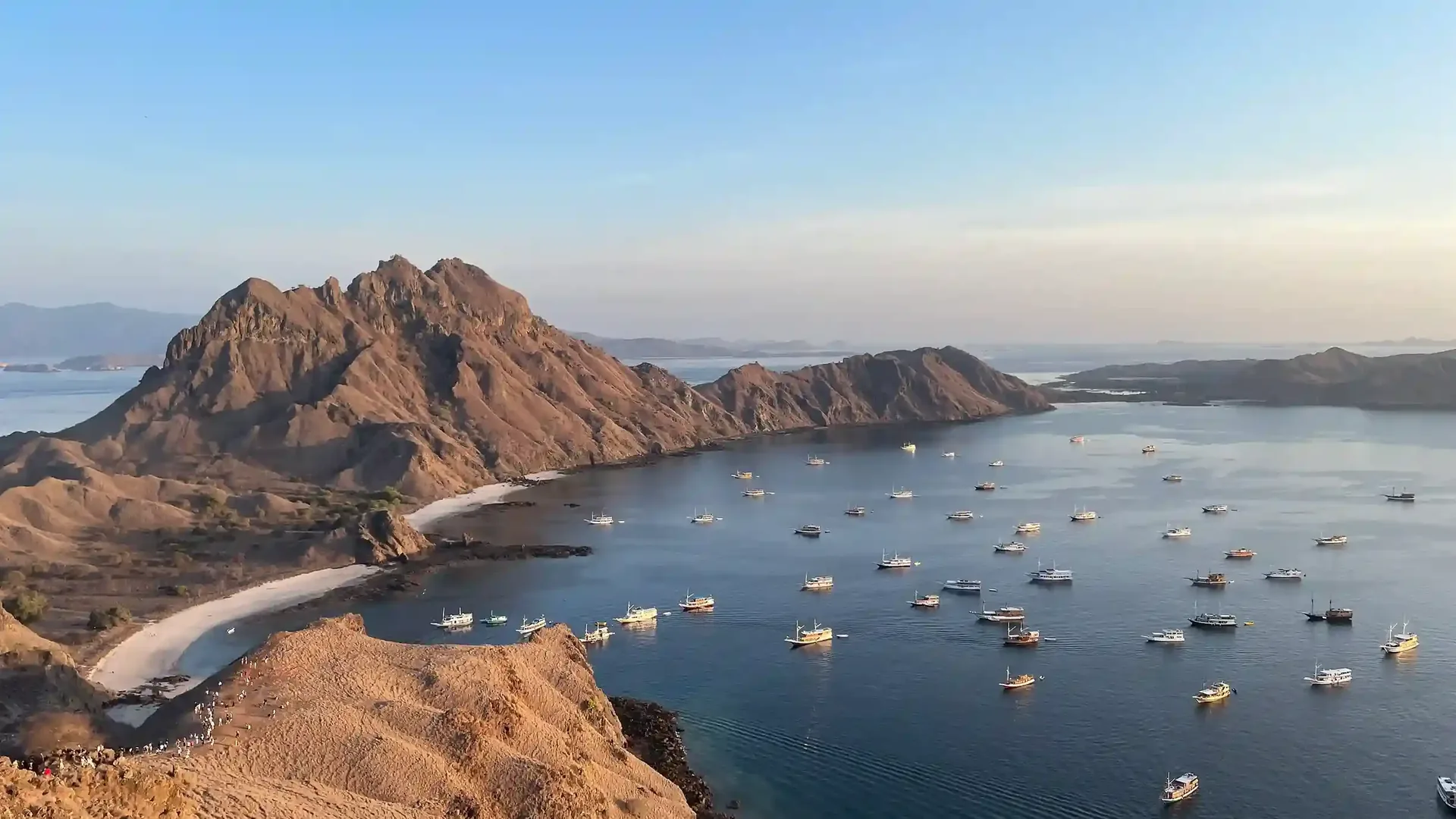
The underrated one. Manta Point is on most itineraries, so several boats work the same water. Surface where your boat expects you, and surface as a group.
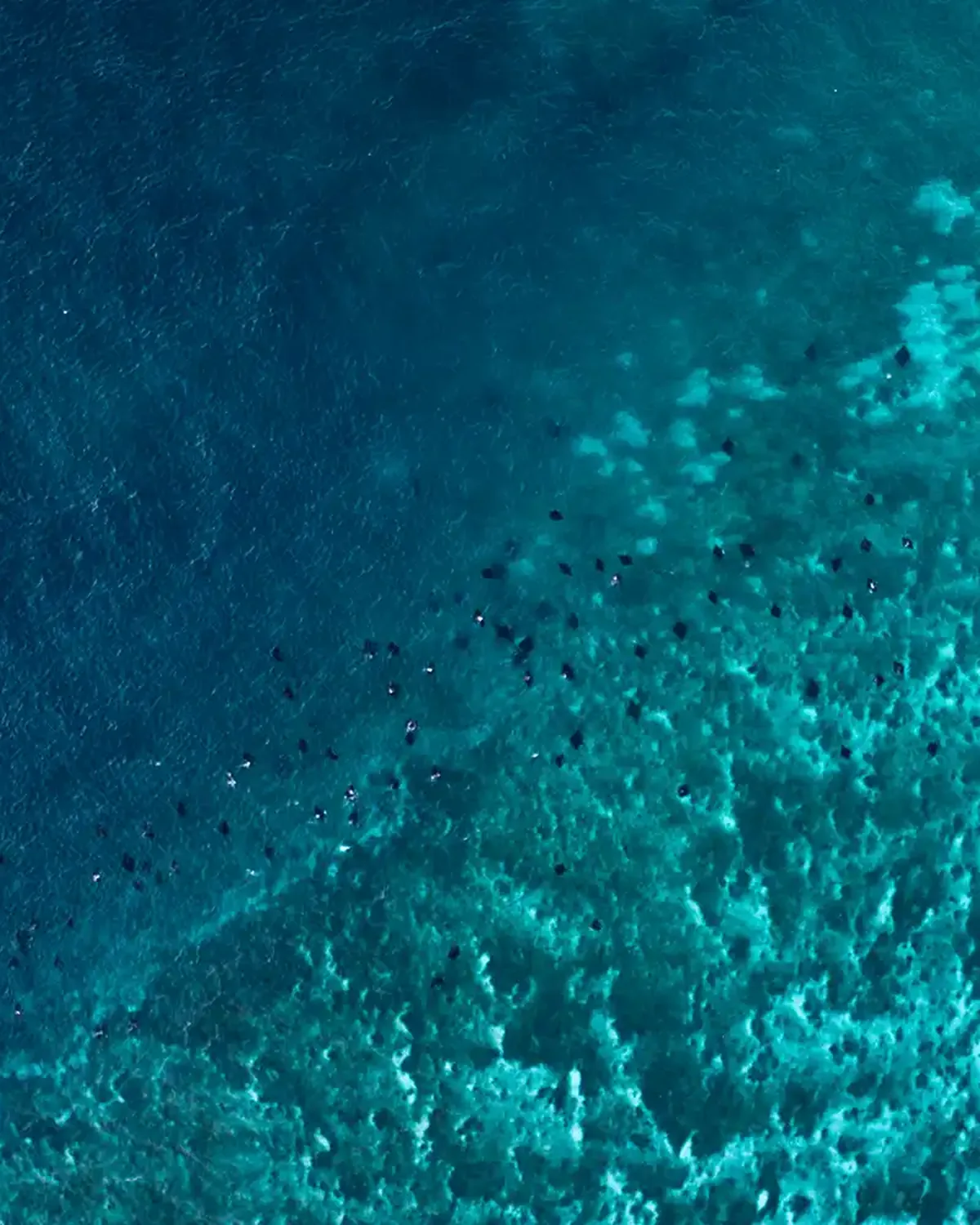
This is open water over a plateau. There is no reef wall or shoreline to grab and no shallow standing area anywhere on the site.
Before you enter
If your guide skips these, that is the moment to ask questions.
Which way you will drift and where the group ends up. This is the difference between a drift and being lost.
How to say stop, up, and I need help, without a voice. Confirmed before anyone is in the water.
Who you stay with and how spread out the group is allowed to get. Separation is the hazard, not depth.
Where the boat will be and how it will find you. Surface markers up, and nobody swims back to where they started.
Emergency procedure should also be stated, not assumed: what happens if someone separates, and what the boat does about it.
Three questions, asked before you pay, that tell you almost everything.
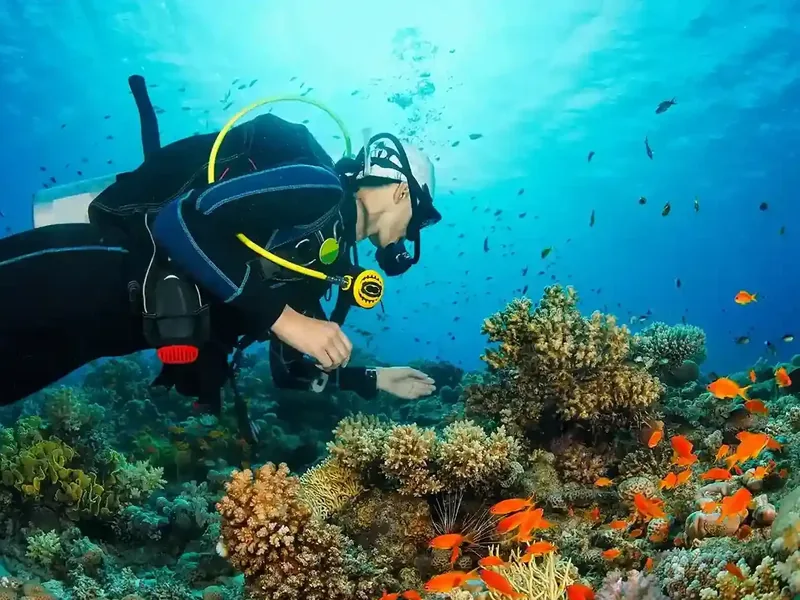
A good answer names current, signals, group shape and pickup. A vague one is the answer.
Group size at a busy cleaning station decides both safety and whether the mantas stay. Ask how they thin the group.
Licensed boats must carry life jackets. Ask about child sizes specifically if you are bringing children.
Life jackets solve buoyancy, not current. They keep you on the surface and visible — they do not stop you drifting, which is why the guide still matters.
The safest thing you control is the operator. Ask Komodo Luxury how they brief, how many people go in at once, and what flotation is aboard.