Manta Point Komodo — Snorkel & Dive with Manta Rays

Manta Point Komodo — Snorkel & Dive with Manta Rays

Explore the wonders of Manta Point Komodo, a hotspot for seasonal manta ray encounters. If you prefer snorkeling or diving, our expert guides ensure a safe and ethical adventure with the majestic reef manta rays. Plan your visit according to the best season and enjoy an unforgettable underwater experience.

What is Manta Point Komodo and why is it famous?

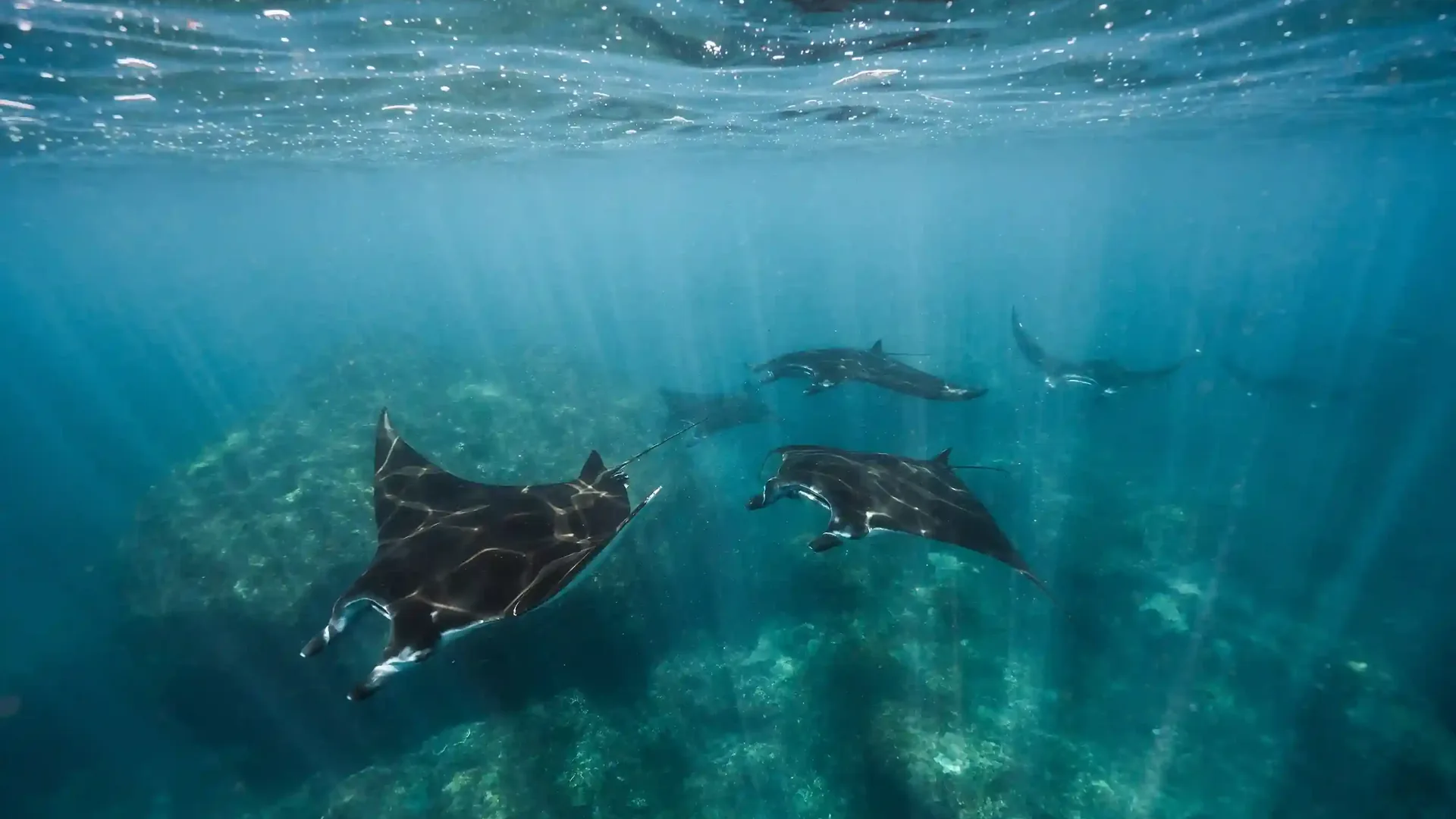
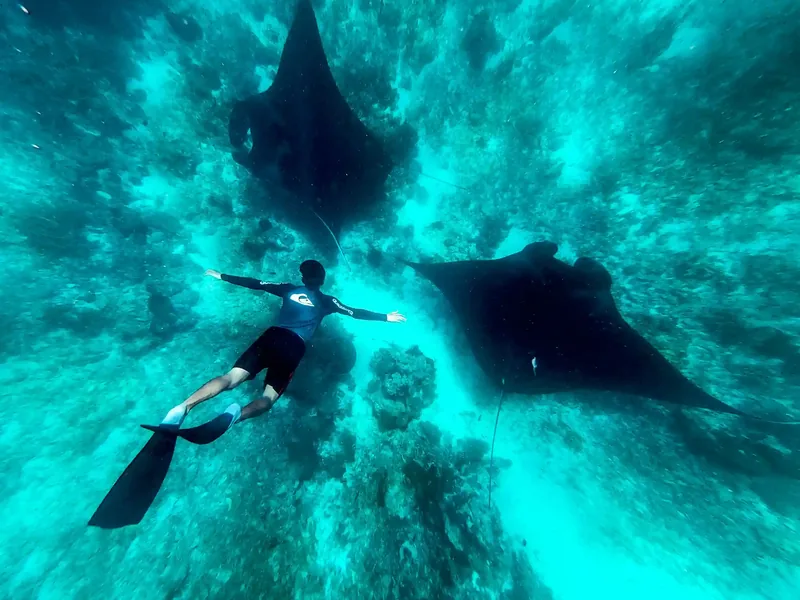
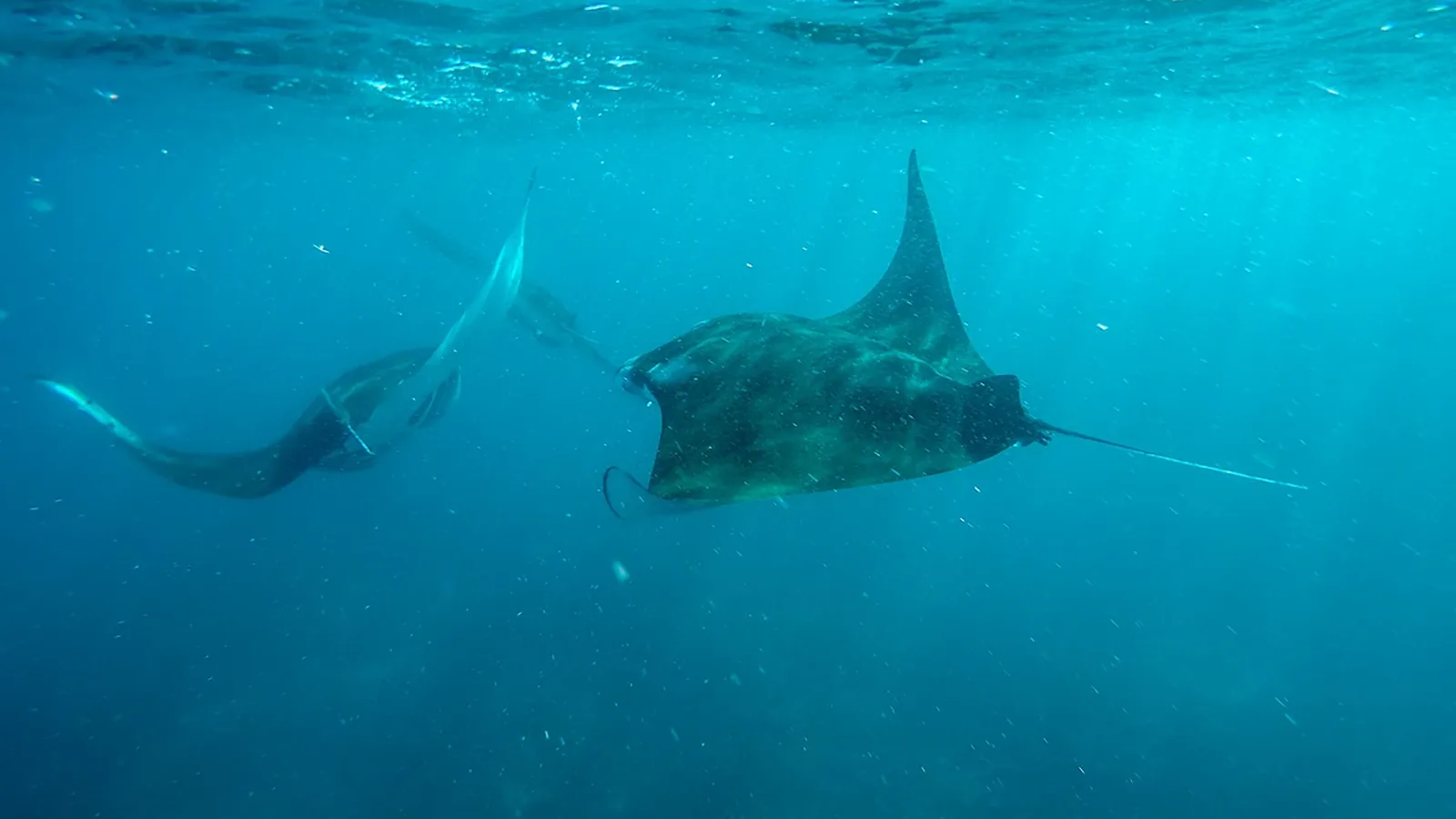
Manta Point Komodo, located within the stunning Komodo National Park, is celebrated for its seasonal gatherings of reef manta rays. These majestic creatures are drawn to the plankton-laden currents of the Karang Makassar waters, making it a prime spot for both snorkelers and divers. Operated by Komodo Luxury, we pride ourselves on offering ethical, small-group manta encounters.

Best time to visit Manta Point for manta ray encounters

The best time to visit Manta Point for manta ray sightings is from December to February. During these months, the chances of encountering reef manta rays are higher due to the increased plankton in the water. However, sightings are never guaranteed, as these are wild, free-swimming creatures.

Learn more about seasonal conditions.

How to dive at Manta Point Komodo safely

Diving at Manta Point Komodo requires careful attention to safety and ethical guidelines. Conditions can vary from moderate to strong currents, making it essential to dive with an experienced local guide. Divers should maintain a minimum distance of three meters from the manta rays and avoid touching or chasing them.

Explore diving experiences.

Snorkeling vs diving at Manta Point: which is better?

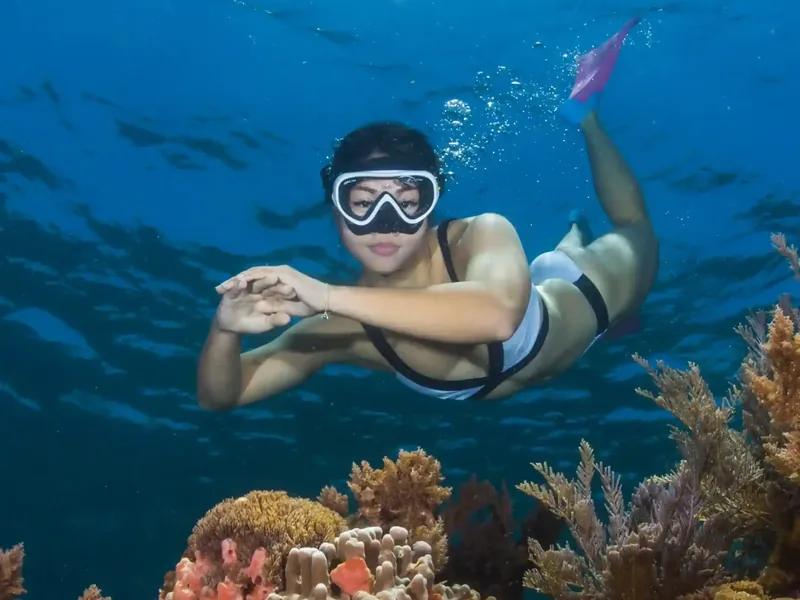
The choice between snorkeling and diving depends on your experience level and preferences. Snorkeling offers surface-level views of manta rays, ideal for beginners and those who prefer shallower waters. Diving provides a closer view of the marine life and coral reefs but requires more skill and comfort with underwater conditions.

  • Snorkeling: Best for beginners.
  • Diving: Recommended for experienced divers.

Manta ray behavior and conservation at Komodo National Park

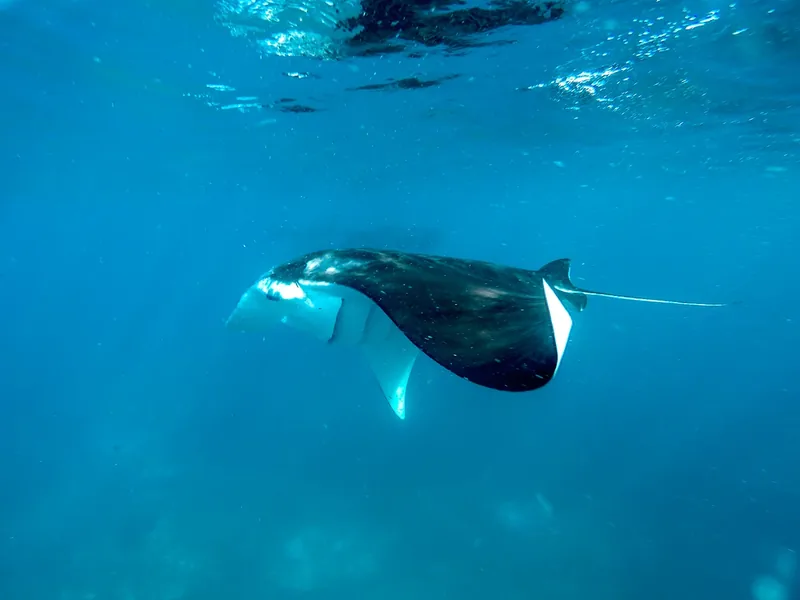
Manta rays are gentle giants, known for their graceful movements and unique feeding patterns. At Komodo National Park, efforts are made to conserve these creatures and their habitats. Visitors are encouraged to follow ethical guidelines, including keeping a safe distance and avoiding flash photography.

Dive depth and conditions at Manta Point

The dive depth at Manta Point ranges from 10 to 30 meters, with visibility varying based on the season. Divers can expect moderate to strong currents, which attract manta rays but also require careful navigation. Diving experiences are tailored to your skill level, ensuring safety and enjoyment.

Where is Manta Point located in Komodo National Park?

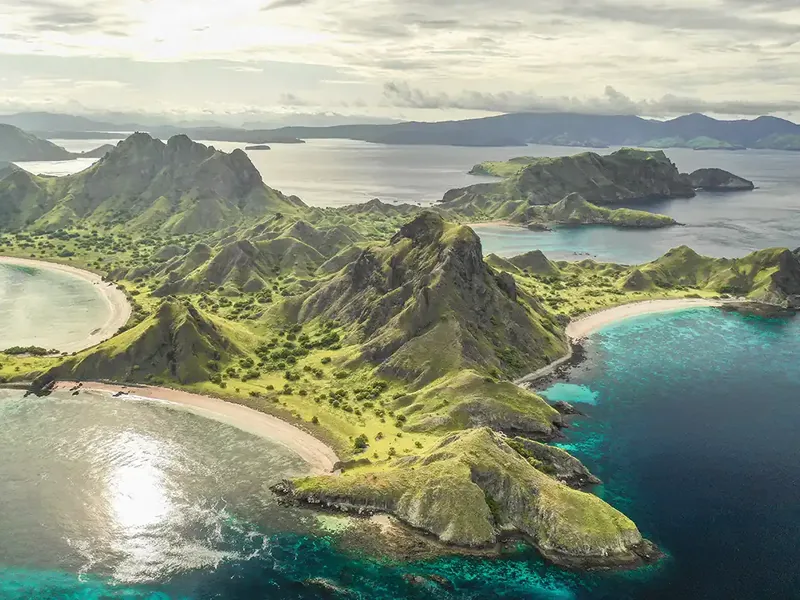
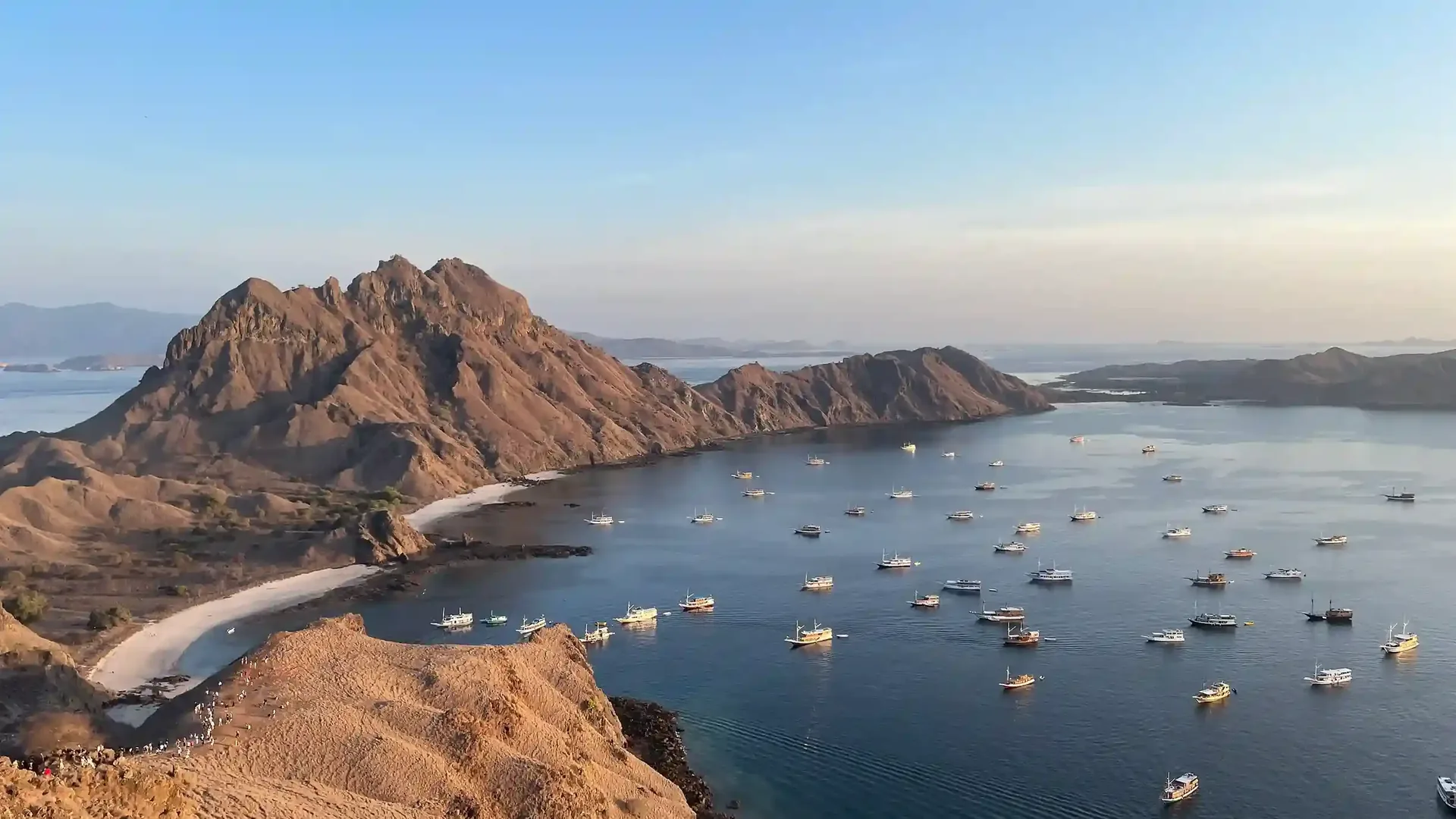
Manta Point is situated within the Komodo National Park, near the Taka Makasar region. It is approximately a 2-3 hour boat ride from Labuan Bajo. The area is part of a network of islands, including Komodo Island and Padar Island, offering diverse marine experiences.

What gear to bring for Manta Point Komodo trip

When visiting Manta Point, pack essential gear such as masks, snorkels, fins, and wetsuits. For divers, a dive computer and buoyancy control device are recommended. Ensure your gear is in good condition and suitable for the expected water temperatures and currents.

How to book Manta ray tours in Komodo Island

Booking a manta ray tour in Komodo Island is straightforward. Contact Komodo Luxury via WhatsApp at +62 811-3823-875 or email sales@komodoluxury.com. Choose from snorkeling or diving packages, with prices starting from USD 80-120 per person. Park entry fees are additional and preferred in IDR.

Safety guidelines for interacting with manta rays

When interacting with manta rays, adhere to strict safety guidelines. Maintain a minimum distance of three meters, avoid direct contact, and follow your guide’s instructions. Small group sizes help minimize stress on the manta rays and ensure a safe, enjoyable experience for all.

Can you snorkel with manta rays at Manta Point Komodo?

Yes, snorkeling with manta rays at Manta Point is possible and popular. It offers an accessible way to observe these creatures in their natural habitat.

When is the best time to see manta rays at Manta Point?

The best time is from December to February, although sightings can never be guaranteed as these are wild animals.

How deep is the dive at Manta Point Komodo?

Dive depths at Manta Point range from 10 to 30 meters, suitable for divers with various levels of experience.

Is Manta Point Komodo safe for beginner divers?

Manta Point can be challenging due to currents, so it is recommended for divers with some experience. Beginners should consider snorkeling or diving with a guide.

For a seamless dive or snorkel experience, plan your manta day on WhatsApp with us today.

Marine Life Diversity Around Manta Point

The waters of Komodo National Park, particularly around Manta Point, are teeming with diverse marine life, making it an exceptional location for snorkelling and diving enthusiasts. The plankton-laden currents in these waters not only attract the majestic manta rays but also a plethora of other marine creatures.

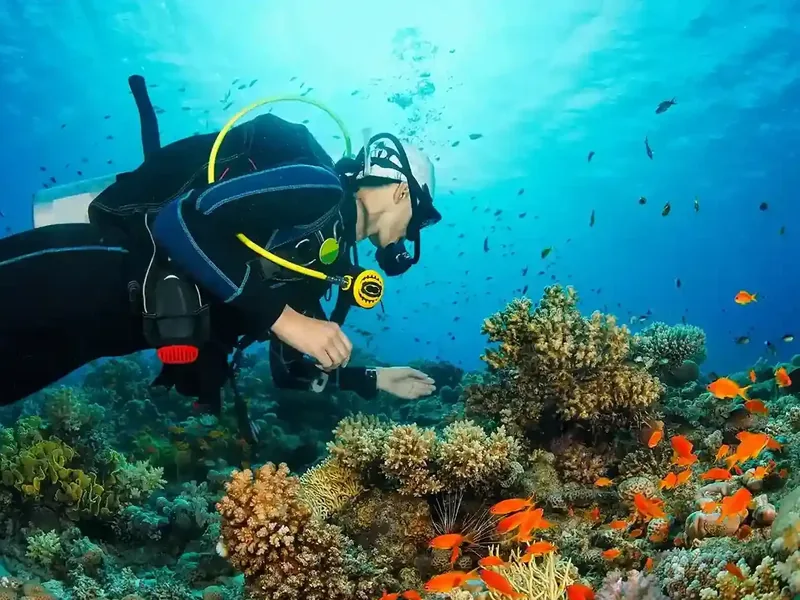
Among the most notable residents are the vibrant coral reefs, which host a variety of fish species such as the clownfish, parrotfish, and the elusive frogfish. The Karang Makassar waters are particularly known for their rich biodiversity, where snorkelers and divers can also encounter turtles and, occasionally, reef sharks. The moderate to strong currents in the area support a dynamic marine ecosystem, creating ideal conditions for coral reef diving and observing marine life in its natural habitat.

It’s important to maintain a minimum distance of three meters when observing manta rays and other marine life to ensure their safety and respect their natural environment. An experienced local guide can provide insights into the intricate underwater ecosystem and enhance the experience.

  • Coral Reefs: Home to clownfish, parrotfish, and more
  • Plankton-Laden Waters: Attracts manta rays and other filter feeders
  • Occasional Sightings: Turtles, reef sharks, and frogfish

For more information on how to maximize your marine life viewing, consider joining a guided tour like the Manta Point Snorkeling Experience.

Cost of Manta Point Komodo Diving Trips

Diving and snorkelling trips to Manta Point Komodo provide an opportunity to witness the natural beauty of the region’s marine life, set against the stunning backdrop of Komodo National Park. Understanding the associated costs can help you plan your visit effectively.

Entry to Komodo National Park requires a fee of approximately USD 10-13 per person, per day, with payments preferably made in IDR. These fees are subject to changes, with potential increases anticipated in 2026.

The cost of a Manta Snorkel Day trip ranges from USD 80-120, offering a chance to explore the vibrant underwater world over a few hours. For those seeking a more personalized experience, Private Manta Snorkel Days are available, priced between USD 250-350. These trips are ideal for small groups or families looking for a more exclusive experience.

Trip TypeCost (USD)
Manta Snorkel Day80-120
Private Manta Snorkel Day250-350

For a tailored experience, consider a Private Manta Charter Komodo.

To plan your trip for 2027, plan your 2027 Komodo manta trip on WhatsApp.

What is Manta Point Komodo and Why is it Famous?

Manta Point Komodo, situated within the renowned Komodo National Park, is celebrated for offering some of the most exhilarating manta ray encounters in the world. This location, particularly the Karang Makassar waters, is famous for its consistent sightings of reef manta rays. The area serves as a natural cleaning and feeding station where these majestic creatures gather to feed on the nutrient-rich, plankton-laden currents.

The appeal of Manta Point lies not only in its vibrant marine life but also in its strategic location. Positioned between Komodo Island and Padar Island, this site is accessible within approximately 2-3 hours from Labuan Bajo. For those with more time, Manta Alley offers a similarly thrilling experience, though it requires a longer journey of about 3-4 hours.

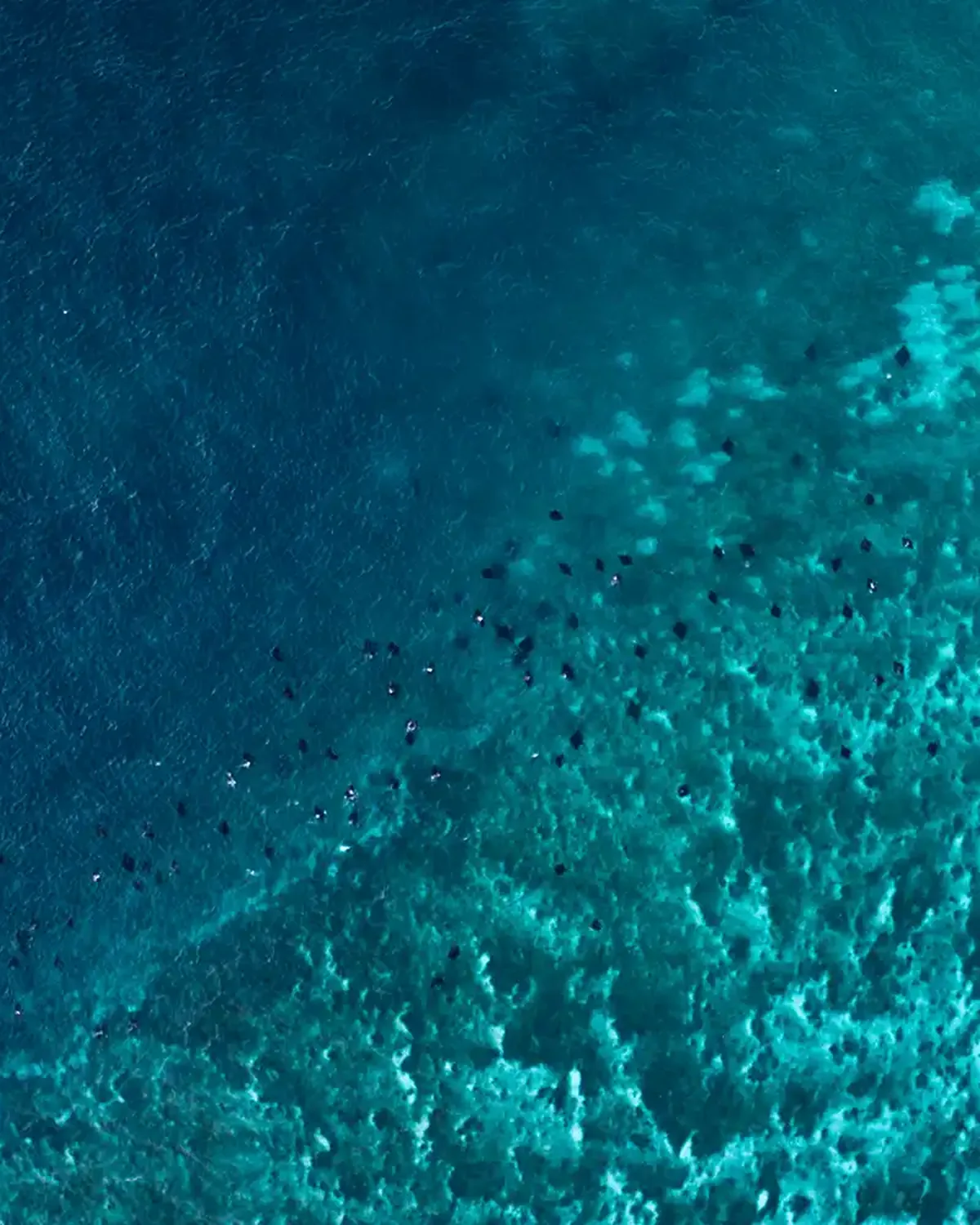
Visitors to Manta Point Komodo are captivated by the sheer density of manta rays, which showcases the rich biodiversity of the area. The experience is further enhanced by the backdrop of a pristine coral reef, offering a stunning setting for both snorkelers and divers.

To learn more about the different ways to explore this marine paradise, consider checking the snorkelling guide at Manta Point.

Best Time to Visit Manta Point for Manta Ray Encounters

The optimal period for encountering manta rays at Manta Point Komodo is during the months of December to February. During this season, the waters are teeming with plankton, attracting large numbers of manta rays to the area.

Here is a brief overview of the best times to visit:

  • December-February: Peak manta ray season with high chances of sightings.
  • March-May: Moderate visibility and fewer manta rays, but still worth visiting.
  • June-November: Less likely to see mantas, but ideal for coral reef diving.

While sightings are more frequent during the peak season, they are never guaranteed, as manta rays are wild creatures and influenced by various environmental factors. Therefore, each encounter is a unique experience.

For detailed planning, visit our best time to visit Manta Point guide.

To plan your 2027 Komodo manta trip, feel free to contact us on WhatsApp.

How to Dive at Manta Point Komodo Safely

Diving with manta rays at Manta Point Komodo requires careful attention to safety due to the moderate to strong currents present in the area. To ensure a safe and enjoyable experience, follow these guidelines:

  1. Choose the Right Diving Level: Manta Point is suitable for divers with some experience due to the challenging conditions. Ensure your dive certification matches the site’s requirements.
  2. Hire an Experienced Local Guide: A knowledgeable guide can help you navigate the currents effectively and enhance your overall experience by pointing out marine life.
  3. Maintain a Minimum Distance: Keep at least three meters away from the manta rays to avoid disturbing their natural behaviour.
  4. Stay Aware of Your Surroundings: Be mindful of other divers and snorkelers in the area to prevent collisions.

Both snorkeling and diving offer unique perspectives of the mantas, but if you’re unsure which to choose, our diving guide at Manta Point can provide additional insights.

To make sure your experience is both safe and respectful, always adhere to marine conservation ethics and avoid touching or chasing the mantas. If you’re planning a marine adventure in 2027, don’t hesitate to chat with us on WhatsApp for personalized guidance.

Ready to swim with manta rays at Manta Point?

Tell our Komodo Luxury team your dates and group on WhatsApp - we will match you to the right manta snorkel or dive trip, advise on the best month, and handle the park fees, boat and guide.

Call Plan on WhatsApp