
The 2027 Komodo Manta Season: A Complete Guide
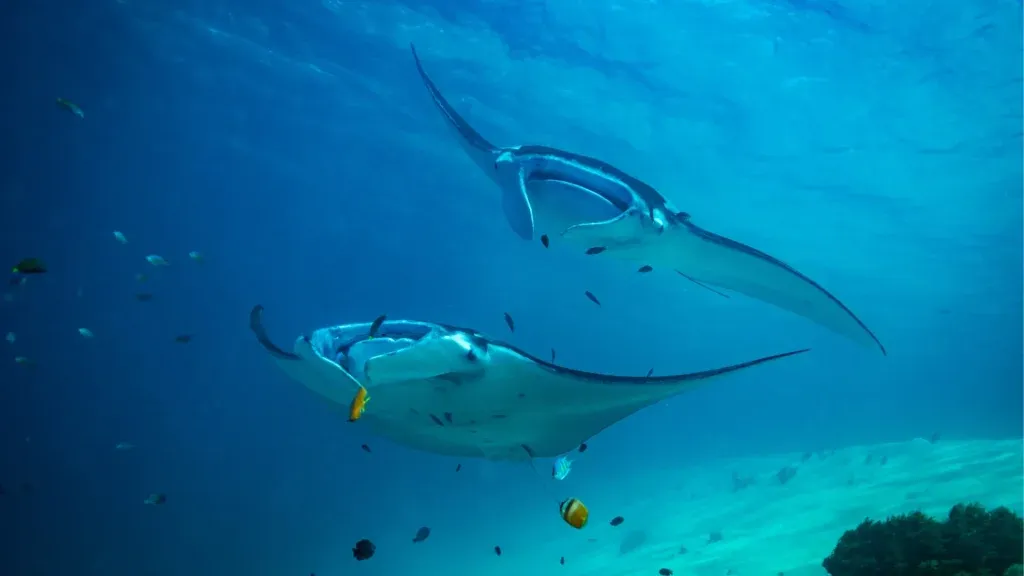
Planning a Manta Point trip for 2027: reef manta rays remain present at Karang Makassar year-round, with December-March the stronger aggregation window and April-November bringing clearer water. What actually changes for 2027 is administrative – the SiOra digital permit system (required since April 2026) and PP 36/2024’s fee structure carry forward, not the mantas’ behaviour. Checked August 2026.
What Will the Komodo Manta Season Actually Look Like in 2027?
Manta behaviour at Karang Makassar isn’t expected to shift for 2027 – reef mantas are resident at the site year-round, and the seasonal pattern Komodo dive operators describe (stronger wet-season aggregations from December through March; clearer dry-season water from April through November) reflects plankton and current cycles that repeat annually rather than a trend tied to any specific year. Anyone searching for a “2027-specific” manta forecast should treat this as the same seasonal pattern as previous years, not a new phenomenon – we won’t invent a 2027 prediction the underlying biology doesn’t support.
What Administrative Changes Carry Into 2027?
Two changes that took effect before 2027 continue to apply: Government Regulation PP 36/2024 set current park entrance fees (IDR 250,000 for foreign visitors, IDR 50,000/75,000 for Indonesian visitors on regular/holiday days), and the SiOra digital permit system became required for park entry starting April 2026. Both are now the baseline for any 2027 trip, not new rules to expect mid-year. If your research turns up an older figure like IDR 700,000, that reflects a 2022 premium-tariff proposal that was never implemented as the standing daily rate – PP 36/2024 is the regulation actually in force.
| Item | Status for 2027 |
|---|---|
| Park entrance fee (PNBP) | IDR 250,000 WNA / IDR 50,000-75,000 WNI, per PP 36/2024 |
| SiOra digital permit | Required since April 2026; carries into 2027 |
| Reef manta presence at Karang Makassar | Year-round, unchanged pattern |
| Peak aggregation window | December-March (wet-season plankton bloom) |
| Clearer-water window | April-November (dry season) |
How Should You Plan a 2027 Trip Around This Pattern?
If maximising your chance of seeing multiple mantas at once is the priority, aim for December through March, accepting the lower visibility (roughly 10-20m) that comes with the plankton bloom driving that aggregation. If clear-water photography or a calmer sea crossing matters more, April through November offers better visibility (15-30m) with mantas still regularly sighted, just in smaller numbers on any given day. Neither window is a guarantee – manta rays are wild animals, and no operator can promise a sighting for a specific 2027 date booked months in advance.
Will Park Fees Change Again Before or During 2027?
We have not found any published announcement of a further PNBP rate change beyond PP 36/2024 as of August 2026. If a new regulation is issued, it would appear on the official park fee page (tnkomodo.ksdae.kehutanan.go.id/harga-karcis-dan-daya-dukung-wisata) before taking effect – check that source directly if you’re booking far in advance and want the most current figure, rather than relying on any third-party site’s number, including this one, without a recent check date attached.
What Should First-Time 2027 Visitors Know About Booking?
Peak season (December-March, plus July-August school holidays) sees faster sell-outs on popular boats and dates; booking a few weeks to a couple of months ahead is a reasonable buffer for a 2027 peak-season trip. Shoulder-season months are typically more forgiving for last-minute bookings. Whichever window you choose, confirm with your operator whether SiOra permit processing and PNBP fees are included in your package price or arranged separately, since this varies by operator.
What Won’t Change for 2027 – and Why We Won’t Guess
Manta ray behaviour is driven by ocean temperature, current, and plankton availability – biological cycles that don’t reset on a calendar year the way a booking system does. There’s a temptation across travel content to attach a fresh set of numbers to each new year for search visibility, but doing that for genuinely unpredictable factors like exact sighting rates or future price changes would mean inventing figures nobody can verify. Where a number is genuinely known and dated – PP 36/2024’s fee schedule, SiOra’s April 2026 start date – we state it plainly. Where it isn’t known yet, such as any hypothetical fee change beyond what’s currently published, we say so rather than guess a 2027 figure.
How Does 2027 Compare to Recent Years at This Site?
The underlying pattern – year-round reef manta presence, December-March aggregation peak, April-November clearer water – has been the consistent description across Komodo dive-operator sources for several years running, not a new discovery for 2027. What has changed more recently is the regulatory layer: PP 36/2024 replaced older fee structures, and SiOra digital permitting replaced a more manual entry process starting April 2026. If you visited Komodo before these changes, expect the permit and payment process to feel more structured now, even though the diving and snorkelling experience itself hasn’t fundamentally changed.
What Should a 2027 Itinerary Prioritise?
Beyond choosing a season window, a 2027 trip benefits from the same planning fundamentals as any year: confirm your operator includes Manta Point specifically on the route (some itineraries substitute sites based on conditions), decide between a single day trip and a multi-day liveaboard based on how much of the park you want to see, and book accommodation in Labuan Bajo around your boat’s actual departure point and time rather than general town location. See our itinerary guide and accommodation guide for the detail behind both of those decisions.
Are There Any Weather Risks Specific to a 2027 Trip?
Komodo’s wet season (roughly December-March) brings a higher chance of rough-sea days that can delay or reroute boat trips, independent of any manta-specific factor – this applies to any year’s wet season, not something unique to 2027. Travellers booking a wet-season 2027 trip specifically for the manta aggregation peak should build a buffer day or two into their schedule where possible, since a single unlucky weather day is more disruptive on a tight one-day-only visit than on a longer multi-day itinerary with flexibility to shift the Manta Point stop to a different day.
Season 2027 FAQ
Is there a confirmed 2027 manta season prediction?
No specific 2027 forecast exists beyond the established year-round pattern with a December-March aggregation peak; manta presence follows recurring seasonal cycles rather than year-specific predictions.
Do I need the SiOra permit for a 2027 trip?
Yes – SiOra has been required for Komodo National Park entry since April 2026 and continues to apply; most tour operators arrange this as part of booking.
Are 2027 park fees different from 2026?
We have not found any announced change beyond PP 36/2024’s current rates as of August 2026; check the official park fee page directly before a far-ahead 2027 booking.
What’s the best month in 2027 for clear water?
April through November generally brings clearer visibility (roughly 15-30m) based on the recurring dry-season pattern, though mantas are seen in smaller numbers during this window than the wet-season peak.
Should I book far in advance for a 2027 peak-season trip?
A few weeks to a couple of months ahead is a reasonable buffer for December-March or July-August dates, since popular boats sell out faster in these windows.
For current 2027 trip options, see Komodo Luxury’s sailing trip page or browse full tour packages. For the site-wide season detail behind this 2027 outlook, see our Komodo manta season guide and itinerary planning page.
Sources
Advantages of visiting Manta Point in the quieter months
Quieter months around Karang Makassar usually mean fewer boats in the water, more relaxed briefings and less rush getting in and out of the site. Guides can often give longer, calmer surface intervals and may spend more time fine‑tuning manta etiquette with each group, which helps photographers and first‑time snorkellers who need a bit more coaching.
Underwater, smaller groups make it easier to maintain the recommended distance from manta rays without feeling squeezed by other visitors. You are less likely to have a crowded cleaning station, which reduces the risk of blocking the mantas’ approach or being pushed onto the reef plateau. Many operators also feel more comfortable adjusting timings during low demand, for example staying slightly longer when conditions are good.
Boat logistics can also feel simpler. With lower park visitor numbers, departure times from Labuan Bajo are sometimes more flexible, and there is often more space on deck for drying gear and camera setups. On multi‑site days that also include Rinca or the northern reefs, crews may be willing to reverse the order of sites to follow calmer wind or tide windows when group sizes are small.
Disadvantages and limits of the low season pattern
The quieter periods overlap partly with the wet season and changeable shoulder months, so conditions are less predictable. Plankton‑rich water that attracts larger feeding groups often reduces visibility to around 10–20 metres, and wind or rain can shorten time in the water even when manta activity is very good. Travellers who prioritise clear, wide‑angle photographs may find these months less satisfying than mid‑dry season.
Weather‑related disruption is also more likely. Stronger wind, rougher seas or localised squalls can delay the run from Labuan Bajo or force a switch to more sheltered alternative sites. On some days, captains may judge that Manta Alley or southern routes are not practical, narrowing options for combining Karang Makassar with other manta locations in Komodo National Park.
Finally, some boats reduce departures outside the busiest months, especially for longer or speciality itineraries. That can limit last‑minute choice of dates or trip style, even if the site itself is open and productive for manta encounters. Divers and snorkellers with fixed holiday windows in the low season often need to lock in dates earlier than they expect simply to match their availability with an operating schedule.
Frequently asked questions
What is visibility like at Manta Point Komodo during peak manta season months?
During peak feeding months around December to March, visibility is often in the 10–20 metre range. Plankton blooms that attract large numbers of Mobula alfredi also make the water more milky, especially on strong tidal exchanges. Divers who want clearer water sometimes favour the June–September dry core, but then the groups of feeding mantas are usually smaller and more dispersed.
How crowded does Manta Point Komodo get during peak season?
Peak season can mean multiple boats at Karang Makassar at the same time, with several groups rotating through the main cleaning and feeding drifts. Good operators stagger entry and use clear briefings to limit overlap. Expect to share the site, especially on calm days, but manta behaviour usually matters more than boat numbers if group etiquette is respected.
Is Manta Point Komodo still good to visit during the rainy season?
Yes, the wet season is often the most reliable time for large feeding aggregations of reef mantas at Manta Point. Rain itself matters less than wind and swell, which can affect comfort on the boat and surface conditions. Visibility tends to be lower than in the clear dry months, so it suits visitors who prioritise animal encounters over wide panoramic views.
Is Manta Point Komodo generally better in rainy season or dry season for visibility?
For visibility alone, the dry core from roughly June to September usually offers clearer water, often in the 15–30 metre range on good days. The trade‑off is that plankton is lower and manta activity centres more on cleaning stations than dense feeding trains. Rainy months bring more plankton and mantas, but average clarity drops accordingly.
How does rainy season affect safety and visibility at Manta Point Komodo snorkeling site?
Rain itself has limited direct impact on snorkelling safety at Karang Makassar, but associated wind, chop and strong tides can make surface conditions more tiring. Visibility commonly falls to 10–15 metres when plankton is thick, which still allows close manta viewing but reduces long‑range awareness. Good guides adapt entry points and drift length to keep groups within safe, manageable distances.
Do I need to prebook Manta Point Komodo tours in high season because of quotas?
There is no widely enforced, daily per‑site visitor quota that you must individually reserve for Manta Point, but operator capacity in Labuan Bajo is finite. Boats, guides and rental gear can all sell out around popular holidays. Pre‑booking secures a place with a reputable operation and avoids being left with only remaining departure dates that do not match your schedule.
Is pre booking Manta Point Komodo mandatory in peak season?
Pre‑booking is not legally mandatory, yet in practice it is risky to rely on walk‑in availability during the busiest weeks. Quality-focused operators plan staffing, fuel and park paperwork ahead, and may not accept last‑minute guests once manifests are finalised. Reserving early also gives more control over whether you join a snorkel, dive or mixed trip.
Chance of seeing mantas at Manta Point Komodo rainy season?
Rainy season coincides with some of the best plankton conditions for mantas, so encounter chances are typically high when weather allows boats to reach the site. No wildlife sighting is guaranteed, and strong currents or murky water can affect how many individuals you actually observe. Crews often adjust timing to match tides that historically align with manta activity.
How early to book Manta Point Komodo for August high season?
For August, many travellers aim to secure spaces several months ahead, especially if they have fixed dates or want a specific boat style. Shorter notice can still work, but flexibility on exact days becomes increasingly important. Booking early also helps ensure that park entry admin via the SiOra system is handled smoothly before you arrive in Labuan Bajo.
Is Manta Point Komodo accessible during wet season logistics?
Access from Labuan Bajo continues through the wet months, but sailings depend on daily sea and wind assessments. Strong monsoon systems or localised storms can slow the crossing — about 1–1.5 hours each way by speedboat, or 3–4 hours by traditional wooden boat — or cause route changes. Crews sometimes pair Karang Makassar with more sheltered alternatives if conditions deteriorate, keeping safety ahead of a fixed manta plan.
Is it necessary to pre book Manta Point Komodo during high season?
It is not formally required by the park authority to pre‑book, but practically it is wise once flights and accommodation are confirmed. High‑season demand, especially around school holidays, can fill reliable operators’ rosters quickly. Advance arrangements also allow time to discuss whether you are better suited to dedicated snorkelling, diving, or mixed‑experience groups.
Keep reading
Manta Guides
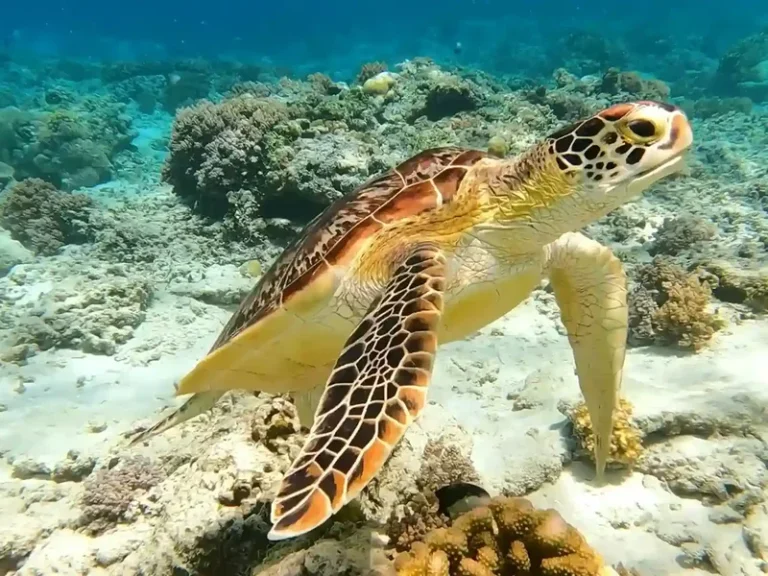
Whale Sharks, Turtles and Other Megafauna
Beyond reef manta rays, Manta Point Komodo (Karang Makassar) hosts blacktip and whitetip reef sharks, eagle rays, green turtles, and…
Manta Guides
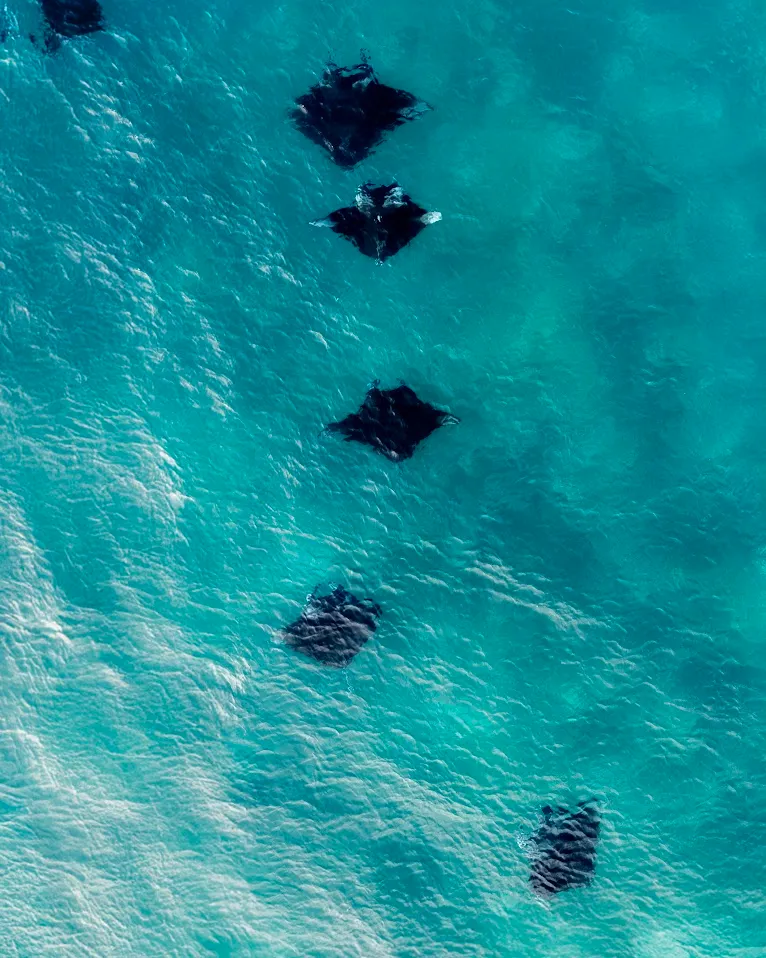
How to Identify Individual Reef Mantas
Researchers identify individual reef manta rays by the unique pattern of dark spots on their belly, especially the area between…
Manta Guides
Cleaning Station Behaviour at Manta Point
Manta Point is a cleaning station, not a feeding ground — reef mantas hover there to let small cleaner fish…