
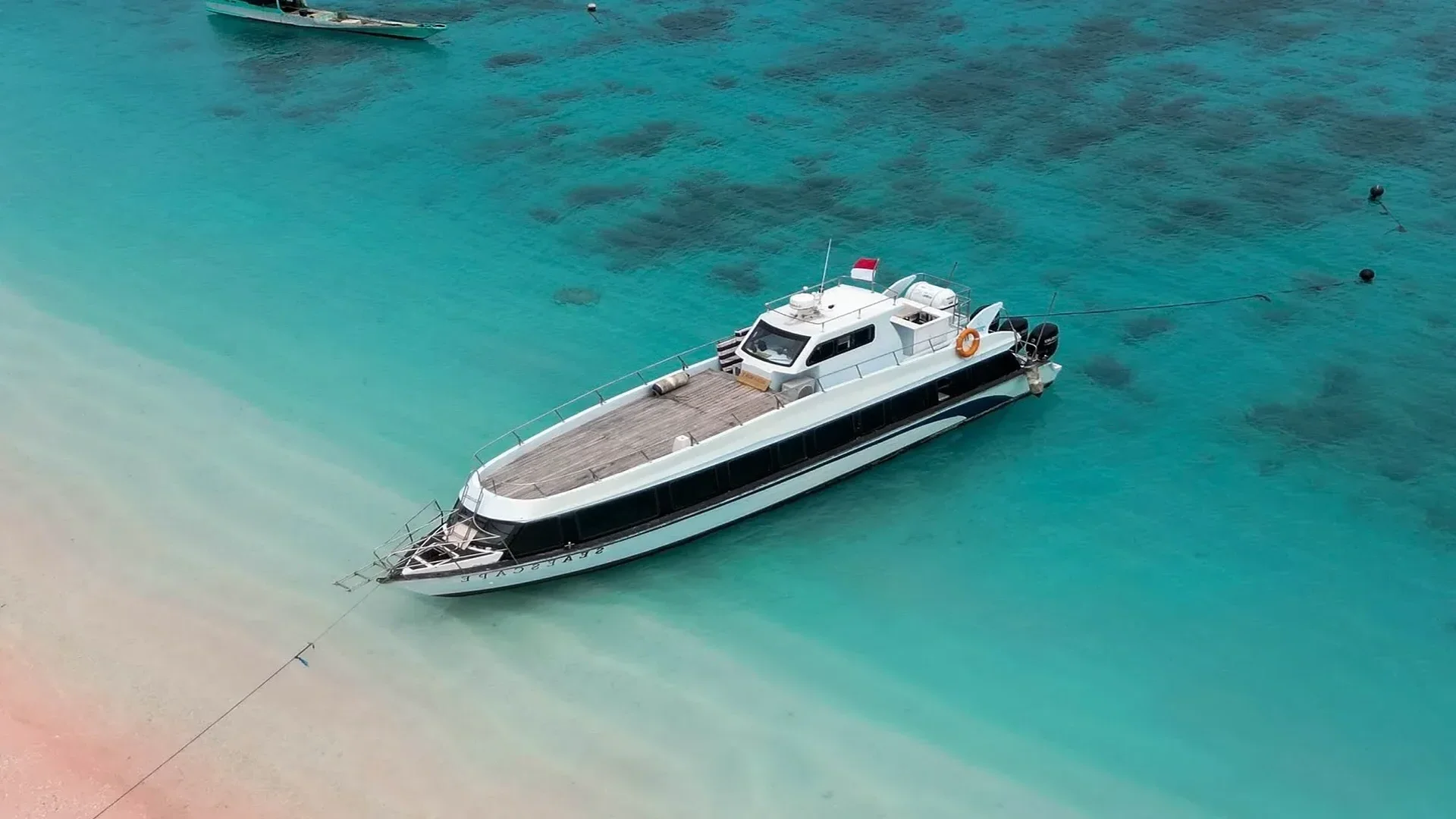
Seasickness on the way to Manta Point is common on the 1–1.5 hour speedboat transit from Labuan Bajo (3–4 hours on a traditional wooden boat), especially in open water sections. Sitting mid-boat facing forward, watching the horizon rather than a phone screen, taking motion-sickness medication before departure rather than after symptoms start, and eating lightly beforehand all reduce the risk.
Why Does the Route to Manta Point Cause Seasickness for Some Travelers?
The transit from Labuan Bajo to Manta Point crosses open water rather than staying in sheltered bays for the whole route, which means more boat motion than a short harbor trip. Combined with early departure times (often before breakfast has fully settled) and, for some travelers, their first time on a small boat in ocean swell, this route produces seasickness more often than shorter island-hopping stops closer to Labuan Bajo.
What Actually Works to Prevent It?
| Strategy | Why It Helps |
|---|---|
| Take medication before departure, not after symptoms start | Most anti-nausea medication (e.g. dimenhydrinate, meclizine, or scopolamine patches) works preventively, not as a cure once symptoms begin |
| Sit mid-boat, low and centered | Motion is least amplified near the boat’s center of gravity compared to the bow or stern |
| Watch the horizon, not a phone or book | Fixing your eyes on a stable, distant point helps your inner ear and vision agree on motion; close-up focus worsens the mismatch |
| Eat something light beforehand, not on an empty stomach | An empty stomach does not prevent nausea and can make it worse once motion starts |
| Get fresh air rather than staying in an enclosed cabin | Enclosed spaces with engine fumes and no horizon view tend to worsen symptoms for motion-sensitive travelers |
Should You Take Medication, and Which Kind?
Over-the-counter options like dimenhydrinate (Dramamine) or meclizine are widely used and available at pharmacies in Labuan Bajo and Bali before your trip; prescription scopolamine patches, applied hours before departure, are another common option some travelers prefer for multi-hour transits. This is general information, not medical advice — check with a pharmacist or doctor about dosing and interactions with any medication you already take, particularly for children or if you have existing health conditions.
What If Symptoms Start Anyway?
Move to the open deck if you are inside, focus on the horizon, sip water, and avoid trying to read, use a phone, or look through a camera viewfinder until symptoms pass, since close-focus activity tends to worsen motion sickness once it has started. Tell your guide if you are feeling unwell — most crews carry basic remedies onboard and can adjust seating if a better spot is available.
Does the Route or Boat Type Make a Difference?
A larger phinisi generally rides swell more smoothly than a smaller speedboat due to its size and hull design, which can matter for travelers particularly prone to seasickness; see our phinisi charter page if boat comfort during transit is a priority alongside the manta visit itself. A faster speedboat spends less total time in open water even if the ride itself feels choppier, which is its own trade-off — shorter exposure versus smoother motion.
Is Seasickness Worse in a Particular Season?
Manta numbers are highest from December to February, the peak inside the December–March wet season; April to November, the dry half of the year, is clearer and generally flatter underfoot but quieter for mantas. Sightings are never guaranteed. Sea conditions can be choppier during the wetter months when winds and swell are more variable, which is also, not coincidentally, the peak manta season — worth planning for with preventive medication if you know you are prone to motion sickness and are traveling during the December–February window specifically.
Special Considerations for Children and Seasickness
Children can be more prone to motion sickness than adults and may not recognize or communicate early symptoms as clearly, so watch for early signs — unusual quietness, pale complexion, yawning, or complaints of feeling warm — rather than waiting for a child to say they feel sick. Pediatric dosing for anti-nausea medication differs from adult dosing; check with a pharmacist or pediatrician before your trip rather than estimating a dose, and consider seating a motion-sensitive child mid-boat with a clear horizon view rather than below deck.
A Simple Packing Checklist for Motion-Sensitive Travelers
- Anti-nausea medication, taken as directed before departure (not after symptoms start).
- Ginger candy or ginger tea bags, a mild natural remedy some travelers find helpful alongside medication, not as a replacement for it.
- A light jacket for open-deck air, which helps more than staying enclosed.
- Something light to eat before departure — crackers or toast rather than a heavy meal or nothing at all.
- Sunglasses, useful for both sun glare and keeping a steady horizon focus more comfortable.
Does Diving Reduce Seasickness Compared to Snorkeling?
Not directly, since the boat transit itself is identical regardless of whether you plan to dive or snorkel once you arrive — seasickness risk is about the journey, not the activity at the destination. Some divers report feeling better once actually in the water and below the surface chop, but the outbound and return transit remain the same exposure either way.
Does Cabin Class on a Phinisi Affect Motion?
Cabins located lower and more central in a vessel’s hull generally experience less pitch and roll than cabins near the bow or upper deck, which is worth considering if you are booking a multi-day phinisi charter and are prone to motion sickness during transit between anchorages.
Is There a Benefit to Acclimatizing Before a Longer Trip?
Some travelers find that a short, calmer boat ride earlier in their trip (an island-hopping stop closer to Labuan Bajo, for instance) helps them gauge their own motion sensitivity before committing to Manta Point’s longer, more open-water crossing later in the same trip. This is not a guaranteed prevention method, but it can help set expectations and decide whether preventive medication is worth taking for the longer crossing specifically.
One More Practical Tip
If you have never tested a particular anti-nausea medication before, try it at home first on a day with no important plans — some formulations cause drowsiness that is worth knowing about before your only Manta Point trip of the year depends on it.
Frequently Asked Questions
How can I prevent seasickness on the way to Manta Point?
Take anti-nausea medication before departure, sit mid-boat, watch the horizon rather than a phone or book, eat something light beforehand, and get fresh air rather than staying in an enclosed cabin.
What medication works for seasickness on a Komodo boat trip?
Over-the-counter dimenhydrinate or meclizine, or a prescription scopolamine patch applied before departure, are commonly used options; check with a pharmacist about dosing, especially for children.
Does a speedboat or phinisi cause more seasickness?
A larger phinisi generally rides swell more smoothly due to its size, while a speedboat spends less total time in open water even if the ride feels choppier – each has trade-offs.
What should I do if I start feeling seasick during the trip?
Move to open deck, focus on the horizon, sip water, avoid close-focus activities like reading or phone use, and tell your guide so they can help or adjust seating.
Ready to plan the trip? For advice on seasickness during the Manta Point crossing, message +62 811-3823-875 or email sales@komodoluxury.com so the trip can be planned with suitable timing and boat arrangements.
Practical Ways to Reduce Motion Sickness on the Crossing
Choosing how you travel from Labuan Bajo matters more than most first-time visitors realise. Morning departures usually meet calmer seas, so an early start helps if your stomach is sensitive. Sitting near the centre of the boat, close to the waterline, reduces vertical movement; on a speedboat this usually means the middle rows, on larger wooden boats the lower, central benches rather than the bow or stern.
What you do on the crossing also changes how you feel. Keeping your gaze on the horizon gives your brain a stable reference point, whereas staring at a phone or camera often makes symptoms worse. Light, plain food before boarding is better than skipping breakfast; an empty stomach and strong coffee can both increase nausea. Staying slightly cool, with airflow on your face, and avoiding diesel fumes on the downwind side of the vessel also makes a noticeable difference.
Small habits around hydration and movement support everything else. Sip water regularly, but avoid large quantities of very sweet drinks, alcohol, or energy drinks before and during the ride. Standing briefly to stretch or gently flexing your ankles and calves while seated improves circulation and can reduce the woozy feeling that precedes nausea. Let the crew know if you are prone to motion sickness; they may be able to offer a more sheltered seat or a spot with better airflow.
Local Medications, Simple Packing, and Non-Drug Alternatives
Travel-pharmacy options in Labuan Bajo are basic but usually cover the main motion-sickness medicines. Indonesian brands containing dimenhydrinate or meclizine are common in local pharmacies, and many crew members recognise names like Antimo (dimenhydrinate-based) sold over the counter. These products can be effective but may cause drowsiness, so trialling a single dose on a non-diving day or evening is sensible before using them ahead of a day trip to Karang Makassar.
Comparing wrist acupressure bands with tablets helps you decide what to pack. Elastic bands with a plastic stud that presses on the P6 point on the inner wrist appeal to divers who wish to avoid medication, and some people report milder symptoms when using them. Evidence for their effectiveness is mixed, and they usually work best when combined with careful seating choices, hydration, and horizon-fixation rather than relied on alone during a rough crossing.
A compact, 2026-ready checklist focuses on what you will actually use on the boat. Many motion-sensitive travellers bring a non-drowsy antihistamine or their usual prescription anti-nausea drug, wristbands if they find them helpful, a light scarf or hooded top to stay warm in wind, and sunglasses to reduce visual fatigue. Adding oral rehydration salts, spare plastic bags, a small towel, and a sealable pouch for electronics keeps minor seasickness from turning into a bigger problem during the day.
Frequently asked questions
Is there a risk of seasickness on the way to Manta Point Komodo?
Yes, there is a real risk of seasickness on the way to Manta Point. The route often crosses channels where wind and current meet, creating short, uncomfortable waves. Sensitive travellers feel this even on clear days. Conditions vary by season and time of day, and the right seat, medication, and simple habits such as watching the horizon usually keep symptoms manageable.
Is seasickness common on the boat ride from Labuan Bajo to Manta Point Komodo?
Many visitors report at least mild queasiness on the Labuan Bajo–Manta Point route, especially during windier spells. The combination of open-water fetch and occasional cross-swell means some movement is almost guaranteed. Not everyone is affected to the same degree, and people who prepare with preventive medication, good hydration, and careful food choices usually cope significantly better than those who do not.
How can I minimize seasickness on the sometimes choppy journey to Manta Point Komodo?
Taking proven anti-motion-sickness medication before boarding and choosing a central seat near the waterline are the most reliable steps. Eating a light, non-greasy snack, avoiding alcohol, and keeping your eyes on the horizon further reduce symptoms. Good airflow, staying away from engine fumes, and having a backup such as ginger sweets or wristbands offer extra comfort if the sea becomes rougher than expected.
Are speedboats or wooden boats more stable for seasickness sufferers visiting Manta Point Komodo?
Neither option is perfect, but larger wooden boats tend to feel slower and can offer a gentler ride in moderate seas. Speedboats cover the distance faster, which some people prefer, but they may pound more in steep chop. Stability depends on hull design, load, and weather on the day, so motion-sensitive travellers should ask operators about boat size, seating options, and usual comfort levels.
Do tours to Manta Point Komodo operate during heavy rain, or are they often cancelled?
Tours often operate in rain, because showers are common and visibility below the surface can still be acceptable. Operators are more likely to cancel for strong wind, large swell, or unsafe visibility than for rain alone. Safety decisions typically reflect local forecasts, ranger guidance, and the captain’s judgement, so last-minute changes are possible during unsettled weather patterns.
What actually helps with seasickness on the crossing?
You reduce your chances by combining medication, sensible seating, and behaviour onboard rather than relying on a single trick. A doctor-approved motion-sickness tablet taken in advance, a central seat, light food, and steady focus on the horizon work together. Limiting phone use, staying hydrated, and informing the crew early if you feel unwell further improve your chances of a comfortable crossing.
Safest way to pay for Manta Point Komodo tour credit card or cash?
From a security perspective, paying by card with a reputable operator is usually safer than carrying large amounts of cash. Card payments can offer fraud protection and clearer records. Some smaller businesses, however, may apply surcharges or have unreliable connections, so confirming accepted payment methods in advance and carrying a modest cash reserve in Indonesian rupiah is a practical compromise.
How do you make a tank last longer in current?
Improving air consumption starts with relaxed, efficient movement and good buoyancy control. Streamlined equipment, slow fin kicks, and steady, deep breathing reduce gas use and help you stay longer at Manta Point. Practising trim and weighting in a pool or easy dive before the trip, and avoiding rapid changes in depth during the manta encounter, makes the biggest difference for most divers.
Where is Karang Makassar located?
Karang Makassar lies inside Komodo National Park between Komodo and Flores, roughly within 8.55–8.61° S and 119.51–119.58° E. Charts and GPS references vary slightly, so guides usually describe it as a broad reef plateau rather than a single pinpoint. Access is almost always by boat from Labuan Bajo, and the site is commonly paired with other nearby reefs on day trips and liveaboards.
Keep reading

Trip Planning
Reef-Safe Sunscreen for Manta Point
Wear mineral reef-safe sunscreen (zinc oxide or titanium dioxide, non-nano) for any Manta Point Komodo trip. We have not found…

Trip Planning
Renting Snorkel & Dive Gear in Labuan Bajo
Most Manta Point boat trips include basic snorkel gear — mask, snorkel and fins — in the price, while wetsuits,…
Trip Planning
Best Time of Day to Visit Manta Point
The best time of day to snorkel at Manta Point is driven by tide, not the clock — guides aim…