
Manta Ray Ethics in Komodo: The No-Touch Rule
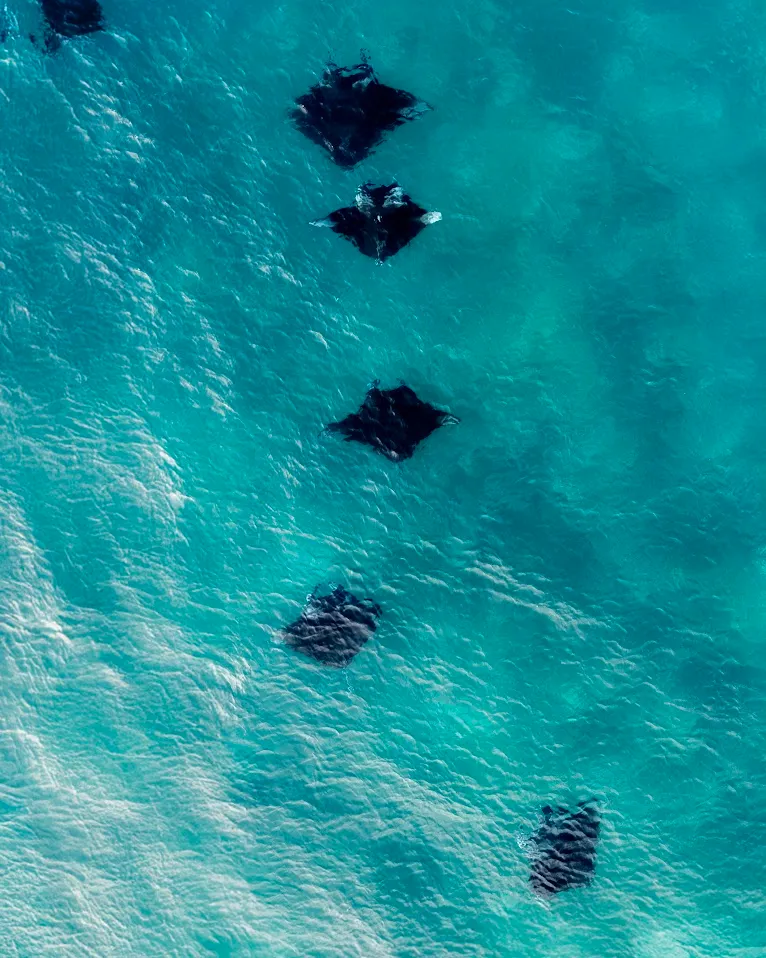
Manta ray ethics in Komodo center on one rule that covers most situations: never touch a manta ray, at Manta Point or anywhere else. Touching strips the protective mucus layer on their skin and can drive the animal away from a cleaning station it depends on, which is why every reputable Komodo guide enforces it without exception.
Why Is “Do Not Touch” the One Non-Negotiable Rule?
A manta ray’s skin is covered in a thin mucus layer that protects against infection and parasites, similar in function to the slime coat on many fish species. Human skin contact — even a light, well-meaning touch — can remove patches of that layer, leaving the animal more vulnerable at the exact moment it is at a cleaning station specifically to have parasites removed by cleaner fish. Beyond the individual animal’s welfare, mantas that are touched repeatedly tend to stop visiting a site altogether, which is a loss for the whole population that depends on a small number of known cleaning stations across Komodo.
Where This Rule Gets Tested in Practice
The most common accidental violation is not deliberate grabbing — it is a snorkeler drifting too close in current and brushing a manta’s wing while trying to avoid it, or a diver finning too near the seafloor and stirring silt directly onto a resting animal. Both are avoidable with the positioning habits covered in our manta ray etiquette guide: staying up-current of the group, keeping fins controlled, and giving a wider buffer than feels strictly necessary.
Why “Just One Quick Photo” Is Still a Violation
A single close approach for a photo carries the same physical risk as any other touch, and the pattern compounds — if every visitor to a cleaning station decides their one photo is an exception, the cumulative disturbance is identical to systematic non-compliance. The better photo, in practice, usually comes from patience at a respectful distance rather than a rushed close approach, since a startled manta banking away from the camera produces a worse shot than a calm one circling naturally at range.
What Guides Actually Do to Prevent Contact
- Position the group up-current so the natural drift carries swimmers past the cleaning station rather than toward it.
- Call out verbally or with hand signals the moment a swimmer drifts too close.
- End an entry early if repeated crowding is pushing a manta away from the station.
- Debrief the group afterward on what worked and what to adjust for the next entry.
Does This Apply the Same Way to Diving?
Yes, and arguably with a slightly higher risk profile, since divers can hold a stationary position near the seafloor longer than a surface snorkeler drifting past. The same no-touch, no-chase rules apply, with an added emphasis on buoyancy control — a diver who cannot hold a stable depth is more likely to drift into contact unintentionally than one with well-practiced buoyancy.
Good Operator vs Careless Operator: What the Difference Looks Like
| Practice | Good Operator | Careless Operator |
|---|---|---|
| Pre-entry briefing | Given to every group, every time, covering current and etiquette | Skipped or rushed after the first trip of the season |
| Group size in water | Limited and staggered to avoid crowding a cleaning station | Multiple boats’ guests entering at once regardless of crowding |
| Response to a stressed manta | Calls the entry early and repositions | Continues the session for the full booked time regardless |
| Guide-to-guest ratio | Small enough to supervise distance and positioning actively | Large groups with one guide unable to monitor everyone |
What Happens to a Manta That Is Repeatedly Disturbed?
Documented behavior at manta sites globally shows that repeated close contact or crowding can cause mantas to shorten cleaning visits, avoid a station during high-traffic hours, or in more severe documented cases abandon a site altogether in favor of a less-visited cleaning station elsewhere. This is not an immediate, one-visit effect — it is a cumulative pattern from sustained poor practice across many visitors and operators over time, which is exactly why individual compliance matters even when a single rule-break might seem harmless in isolation. A site that mantas abandon does not just lose value for future visitors; it also removes a data point researchers use to track the health of the broader population through photo-identification.
Does Group Size Affect How Well Etiquette Is Followed?
Generally yes — a smaller group is easier for one guide to actively supervise, correct in real time, and reposition if someone drifts too close. Larger groups do not automatically mean worse etiquette if a good guide-to-guest ratio is maintained, but a very large group with a single guide makes consistent enforcement harder regardless of the operator’s intentions. Asking about expected group size and guide ratio when booking is a reasonable way to gauge how closely etiquette is likely to be enforced on your specific trip.
Is There a Formal Code of Conduct Visitors Sign or Acknowledge?
Some operators, including Komodo Luxury, incorporate etiquette acknowledgment into the standard pre-trip briefing rather than a separate signed document, while park-level enforcement relies on ranger presence and operator compliance rather than an individual visitor waiver system. Regardless of the exact format, understanding and following the core rules is the practical expectation for every visitor entering the water at Manta Point.
How Has Manta Ethics Awareness Changed Over Time?
Awareness of manta-specific etiquette has grown considerably across the dive and snorkel industry over the past decade, partly driven by documented cases elsewhere of tourism practices harming manta populations before rules caught up. Komodo’s operators, including Komodo Luxury, have benefited from that broader industry learning curve rather than having to establish best practices from scratch, which is part of why the etiquette standards described on this page are now fairly consistent across reputable operators in the park rather than a patchwork of differing approaches.
The Underlying Principle Worth Remembering
Every specific rule on this page reduces to one underlying idea: the manta’s comfort and undisturbed behavior take priority over getting a closer look or a better photo. Visitors who internalize that principle rarely need to memorize every individual rule, since the right call in an unfamiliar situation usually follows from it directly, whether or not a guide is close enough at that exact moment to remind you.
Frequently Asked Questions
Why can’t you touch manta rays at Manta Point?
Touching removes the protective mucus layer on a manta’s skin, which can leave it vulnerable to infection and cause it to abandon the cleaning station.
Is it okay to touch a manta ray if it swims up to you first?
No. Even if a manta approaches out of curiosity, the no-touch rule still applies – stay still and let it pass without reaching out.
Do divers have to follow the same no-touch rule as snorkelers?
Yes, the same rule applies to diving, with an added focus on buoyancy control to avoid unintentional contact near the seafloor.
What should I do if I see someone else touching a manta?
Do not intervene physically; keep your own group compliant and let your guide report it to the ranger station or relevant authority.
Ready to plan the trip? To plan a Komodo trip that follows the no-touch rule, ask +62 811-3823-875 or sales@komodoluxury.com for guidance before you book.
Sources
The no-touch rule in practice at Karang Makassar
The no-touch rule at Karang Makassar applies even when manta rays seem to approach snorkellers or divers. If a ray comes within arm’s reach, hands stay close to the body, not stretched out. The idea is to be a passive presence in the water column so mantas can choose how close to come, complete their cleaning passes and feeding loops, and depart without having to alter course to avoid people.
Many first-time visitors underestimate how quickly a ray’s trajectory can change, especially in the current lines that run along the reef plateau. Staying horizontal, keeping fins behind the body and avoiding sudden vertical movements reduces the chance of accidental contact. Guides usually position guests in a line parallel to the reef and current, which gives mantas predictable gaps to transit through rather than a scattered crowd blocking their route.
For snorkellers, respecting the no-touch rule also means not duck-diving into the main cleaning station, even if mantas are circling below. Repeated dives from the surface compress the usable space for the animals and increase collision risk. For divers, remaining slightly off the top of the coral and using a negative profile rather than swimming up into the water column keeps the interaction observational instead of intrusive.
Ethically, the line is simple: if a behaviour makes it more likely that a manta will need to dodge, bank away, or abandon a cleaning pass, it is too intrusive. A good personal check is to ask whether a guide watching from a few metres away would need to intervene; if the answer might be yes, back off before that point is reached.
Light use, photography and choosing a responsible operator
Using bright lights around manta rays at Manta Point is discouraged because it alters natural behaviour. Strong torches and video lights can cause startle reactions, especially when pointed directly at the head or eyes. At night or in low-ambient conditions underwater, the most conservative approach is to rely on available light, keep beams on the reef rather than on animals, and avoid strobe use around cleaning stations altogether.
In practice, the safest way to handle cameras is to accept a higher ISO, some motion blur and more plankton backscatter instead of forcing a “perfect” close image with intense artificial lighting. If a manta noticeably flinches, changes direction, or drops deeper when a light hits it, that is clear feedback that the setup is too intrusive. Snorkellers should also avoid shining surface torches down on circling rays between drops, as this can repeatedly disturb them.
Responsible tour companies serving Karang Makassar brief guests clearly on light etiquette before entering the water. They explain how to angle beams away from rays, when to switch lights off, and why avoiding flash helps keep interactions predictable. Guides then enforce those rules in the water, calmly redirecting photographers who drift into the cleaning zone or who begin chasing animals for a closer shot.
From a visitor’s point of view, operators who can be trusted with manta interactions are usually identifiable by their emphasis on small, manageable groups in the water and unhurried site briefings focused on behaviour rather than social media results. They talk about currents, safe drift patterns and exit signals, and they are willing to shorten an encounter or move the group if manta behaviour shows signs of stress, even if that means fewer close passes on a particular day.
Frequently asked questions
Are there strict no-touch and no-chasing regulations for mantas at Manta Point Komodo?
Yes, touching and chasing manta rays are prohibited across Komodo National Park, including Manta Point. Indonesia legally protects manta rays, and park rules interpret harassment to include riding, grabbing, blocking or pursuing them. Enforcement in the water relies heavily on guides and rangers rather than constant patrols, so visitors help most by following briefings closely and refusing to pressure animals for closer photos.
What is Karang Makassar like?
Karang Makassar is a long, shallow reef plateau swept by consistent currents where manta rays come to feed and use cleaning stations. Much of the bottom is rubble and low coral, so it looks more like a pale, gently undulating runway than a steep wall. Conditions vary: some days are calm and clear, others choppy with planktony water and reduced visibility, especially during the wet season.
How do you stop a mask fogging?
To reduce mask fogging at Manta Point, thoroughly clean the inside of new lenses with a gentle abrasive (like non-whitening toothpaste), then rinse and apply a proven defog just before entering. The trade-off is that repeated cleaning is needed across a trip, especially in cooler upwelling days when temperature differences between skin, air and water make fogging more likely during long surface waits.
Keep reading
Manta Guides
Whale Sharks, Turtles and Other Megafauna
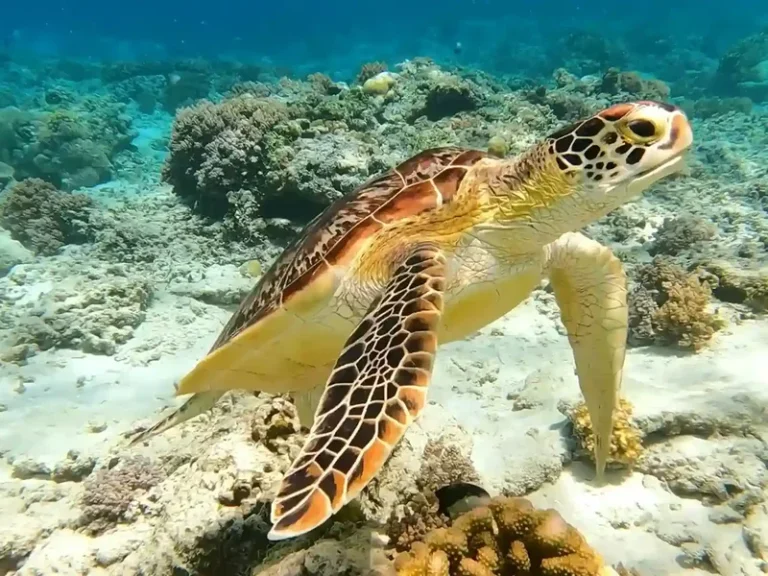
Beyond reef manta rays, Manta Point Komodo (Karang Makassar) hosts blacktip and whitetip reef sharks, eagle rays, green turtles, and…
Manta Guides
How to Identify Individual Reef Mantas
Researchers identify individual reef manta rays by the unique pattern of dark spots on their belly, especially the area between…
Manta Guides
Cleaning Station Behaviour at Manta Point
Manta Point is a cleaning station, not a feeding ground — reef mantas hover there to let small cleaner fish…