Adding Rinca or Komodo Island to a Manta Day
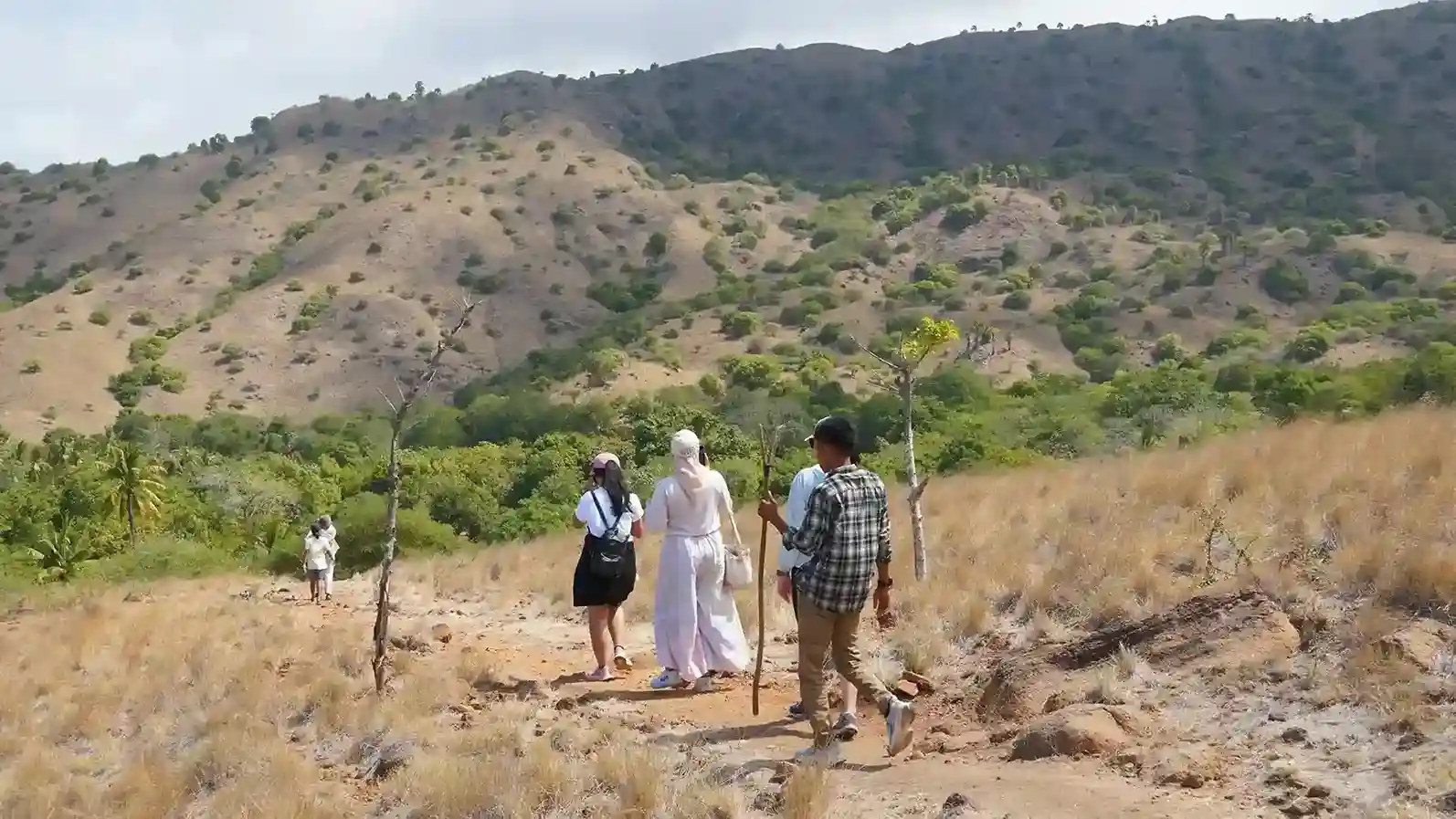
Rinca Island is the more common Komodo-dragon pairing with a Manta Point day, since it typically sits closer to Labuan Bajo and involves a shorter dragon-trek than Komodo Island itself, leaving more realistic time for Manta Point on the same day. Komodo Island is usually reserved for multi-day liveaboard itineraries where time pressure matters less.
Rinca or Komodo Island: What’s the Real Difference for a Manta Day?
Both Rinca and Komodo Island host wild Komodo dragons and offer a guided trek to see them, but they are not interchangeable when you’re also trying to fit in Manta Point on the same day. Rinca is generally the closer, quicker stop from Labuan Bajo with a shorter trek option, which is why it pairs more naturally with a Manta Point visit on a single-day itinerary. Komodo Island itself tends to involve more boat travel time and is more commonly built into multi-day liveaboard routes where the schedule isn’t as tight.
Comparing the Two for a Combined Day
| Factor | Rinca Island | Komodo Island |
|---|---|---|
| Typical boat time from Labuan Bajo | Shorter | Longer |
| Trek length | Shorter options available | Generally longer treks |
| Best paired with | Single-day Manta Point trip | Multi-day liveaboard itinerary |
| Dragon density | Reliably good dragon sightings | Also good; the “original” and larger island |
Neither island offers a formally published, verified dragon-sighting guarantee any more than Manta Point offers a manta guarantee — both are wildlife encounters. Rangers at both islands guide treks and manage safe viewing distance from dragons.
Realistic Time Math: Rinca + Manta Point in One Day
| Step | Approx. time |
|---|---|
| Depart Labuan Bajo, early morning | – |
| Boat to Rinca | ~45-60 minutes by speedboat |
| Dragon trek + ranger briefing | 1-1.5 hours |
| Boat to Manta Point | Varies by route; ask your operator |
| Manta Point snorkel/dive | 1-1.5 hours in water |
| Return to Labuan Bajo | ~1-1.5 hours by speedboat |
| Total day length | ~9-11 hours door to door |
As with the Padar/Pink Beach combined day (see our full breakdown), the exact stop order depends on tide at Manta Point and your operator’s routing — don’t assume a fixed sequence.
Why Komodo Island Usually Means a Longer Trip
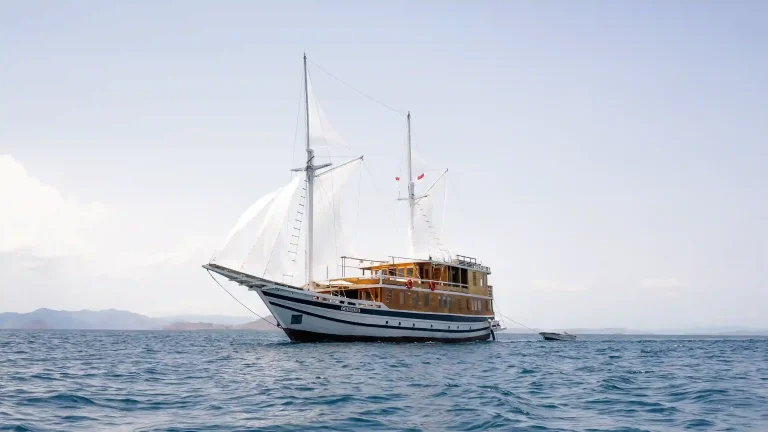
Komodo Island sits further from Labuan Bajo than Rinca on most routes, which is the main reason it’s less commonly squeezed into a single-day itinerary alongside Manta Point. If seeing dragons specifically on Komodo Island (rather than Rinca) matters to you, a 2-3 night liveaboard that includes both Komodo Island and Manta Point on separate days — see our liveaboard guide — is the more realistic way to do both without an exhausting single day.
Should You Combine Dragons and Mantas at All?
Most visitors do, and it makes sense logistically — both are signature Komodo National Park experiences, and the park’s geography puts dragon islands and manta sites within the same general boat routes. The honest tradeoff is time: a combined day means less dedicated time at each stop than a single-focus day would give you. If mantas are your priority, consider a Manta-Point-focused trip and see dragons on a separate day or a different visit; if dragons are the priority, plan the reverse.
Booking a Rinca + Manta Point Day
Komodo Luxury’s one-day trip and Labuan Bajo tour pages list current combined-day options; for full control over which island and how much time at each stop, a private charter lets you set the exact combination with the crew directly. Message +62 811-3823-875 with your priorities (dragons vs mantas vs both equally) for a tailored recommendation.
Further Reading
See our liveaboard guide for the multi-day approach that avoids this tradeoff entirely.
A Final Planning Thought
If you can only choose one wildlife encounter on a tight schedule, decide honestly which matters more to your group before booking, rather than trying to force both into one exhausting day that shortchanges each.
A Final Planning Thought
The PNBP park fee described on our fees and permits page covers entry to both Rinca and Komodo Island as well as Manta Point under the same park-wide ticket system, rather than requiring a separate island-specific fee on top.
What to Wear for the Dragon Trek
Closed-toe shoes suitable for walking on dry, sometimes uneven trail, long trousers for sun and vegetation protection, and a hat are the practical basics — sandals are not recommended given the trail surface and the general wildlife-park setting.
Best Time of Day for the Dragon Trek Portion
Rangers generally prefer morning treks when temperatures are cooler and dragons are more active before the midday heat, which is a separate consideration from the tide-driven timing that governs the Manta Point portion of a combined day (see our best time of day page). On a combined itinerary, this is one more reason the island stop is often scheduled before the boat continues to Manta Point rather than after.
Safety Around Komodo Dragons
Komodo dragons are wild predators capable of seriously injuring a person, which is exactly why independent, unguided access to either island is not permitted — every visitor treks with a licensed ranger who understands dragon behavior and maintains safe distance for the group. Follow the ranger’s positioning instructions exactly, do not approach a dragon for a photo, and be aware that dragons can move quickly in short bursts despite appearing sluggish most of the time. This is the same underlying principle as the manta distance rules covered elsewhere on this site: wild animals set the terms of the encounter, not the visitor.
What a Ranger-Guided Dragon Trek Actually Involves
On arrival at either Rinca or Komodo Island, a licensed park ranger leads your group on a walking trek along marked trails, carrying a forked stick used traditionally for managing dragon encounters at close range rather than as a weapon. Treks range from shorter routes of under an hour to longer options of 2+ hours depending on what your operator has booked and your group’s preference. Rangers maintain a safe viewing distance between guests and dragons throughout — you do not approach a dragon independently, and the ranger’s instructions on distance and movement are followed at all times, similar in spirit to the 3-meter rule that governs manta encounters at Manta Point. Beyond dragons, both islands’ trails pass through dry savanna landscape with opportunities to see deer, wild boar, and various bird species that make up the dragon’s natural prey base.
Frequently Asked Questions
Should I choose Rinca or Komodo Island for a Manta Point day trip?
Rinca is the more common pairing since it’s generally closer to Labuan Bajo with shorter trek options, leaving more realistic time for Manta Point on the same day.
Can you see Komodo dragons and mantas in one day?
Yes, most commonly by pairing Rinca Island with Manta Point; combining Komodo Island itself with Manta Point in a single day is less common due to longer travel time.
Is a dragon sighting guaranteed at Rinca or Komodo Island?
No, wildlife sightings are never guaranteed at either island, though both have reliably good dragon populations and ranger-guided treks.
How long does a combined Rinca and Manta Point day take?
Roughly 9 to 11 hours door to door from Labuan Bajo, including boat travel, the dragon trek, and time at Manta Point.
Is it better to see Komodo Island dragons on a liveaboard instead?
Often yes, since Komodo Island sits further from Labuan Bajo; a multi-day liveaboard lets you visit both Komodo Island and Manta Point without compressing everything into one long day.
Ready to plan the trip? When considering whether to include Rinca or Komodo Island on the same day as Manta Point, send Komodo Luxury your interests and time limits by calling +62 811-3823-875 or emailing sales@komodoluxury.com for route suggestions.
How “Manta Point Komodo” Fits with the Islands Around It
The name “Manta Point Komodo” often causes confusion. Karang Makassar lies inside Komodo National Park, between Komodo and Rinca, but not next to either island’s main ranger station. Boat routes usually run Labuan Bajo – either Rinca or Komodo for dragons – then across the central channel to the manta area, or the reverse, depending on tides and expected plankton.
On maps, the manta plateau stretches across a broad coordinate band rather than a single pin, which is why different charts place it slightly differently. In practice, guides look for surface current lines, feeding birds and shadows in the water, then decide exactly where to drop snorkellers or divers. Thinking of it as a mid-channel reef system, not a beach stop, helps set expectations.
Island-hopping itineraries sometimes also mention “Taka Makassar” separately. That shallow sandbar sits on the same reef complex but offers a very different experience: wading, photos and sheltered swimming rather than manta interaction. On a combined day, crews often use Taka Makassar as a surface-interval or lunch stop between in-water manta sessions.
Combining Mantas with Rinca or Komodo in a Single Day
Planning mantas plus dragons in one day is mostly about boat speed and time discipline. A realistic schedule for Rinca plus Karang Makassar from Labuan Bajo typically allows a morning trek of 60–90 minutes with the ranger, then one long manta session and sometimes a second shorter drift if conditions line up, before the return run.
Substituting Komodo Island for Rinca often adds extra travel. The sailing angle from Labuan Bajo to Komodo’s ranger station is longer than to Rinca, and the hop from Komodo to the manta plateau also takes more time than the Rinca–manta crossing. The trade-off is a different dragon landscape and a more open savanna feel, but usually fewer relaxed minutes in the water with mantas on a day trip.
Trying to fold in too many extra islands – for example, dragons, mantas, Taka Makassar and another snorkel reef – gradually eats into manta search time. For visitors whose priority is to maximise the chance of unhurried manta encounters, a simpler loop of Labuan Bajo – Rinca – Karang Makassar – Taka Makassar – Labuan Bajo tends to be more realistic than also tagging Komodo Island in one day.
Some operators treat this kind of loop as an “island-hopping package”, but the sea distances are large. Expect more cruising than on a compact tropical-archipelago hop, and remember that currents dictate timing as much as the paper itinerary does.
Manta Probability, Time Allocation and Cost Drivers
No reliable public statistics exist for manta sighting rates at Karang Makassar, and conditions change fast with tides, wind and seasons. In the main plankton season from roughly December to March, crews often find feeding rays on the surface lines, but visibility is more variable. During the clearer dry core from June to September, mantas favour the cleaning stations and are more often seen slightly deeper.
Most day boats aim to give at least one extended drift of around 45–60 minutes in the water and, where schedules allow, a second shorter look. If dragons and mantas share the same day, any delays at the ranger station, slow groups on the trek, or challenging surface chop later can trim that second session. Visitors who want the very highest chance of multiple long encounters usually dedicate a full day to the manta plateau alone.
Tour cost for combining mantas with Rinca or Komodo is shaped by fuel, boat type, guide numbers, park fees and how many stops are included, not by a fixed manta surcharge. Larger, faster boats with fewer guests generally have higher per-person prices. Komodo National Park entry and conservation charges sit on top of this and are regulated, not set individually by guides on the jetty.
Island-hopping routes that add Taka Makassar or a sunset flying-fox stop at Kalong use more engine hours and crew time, which tends to be reflected in pricing even though exact figures vary by season and operator. Whatever the cost structure, no reputable crew can promise mantas on a given day; what they can do is time their visit for the tide, read the current lines, and be willing to stay slightly longer in the right conditions.
Frequently asked questions
Can I visit Manta Point Komodo and Rinca Island Komodo dragons in one day tour?
Yes, visiting Rinca for Komodo dragons and then Karang Makassar for mantas in one day is commonly done from Labuan Bajo on faster boats. The compromise is a relatively tight timetable: the trek is usually limited to 60–90 minutes, and manta time may be one long session plus a shorter second drift if currents and weather stay cooperative.
How far is Manta Point Komodo from Komodo Island itself?
The manta plateau lies roughly midway in the channel between Rinca and Komodo, so the crossing from Komodo’s ranger jetty usually takes around 45–75 minutes depending on boat speed and sea state. On a day trip this leg must be added to the longer Labuan Bajo–Komodo transit, leaving less overall flexibility than a Rinca–manta combination.
Is it practical to visit Manta Point Komodo and kalong island flying foxes in one day?
It can be practical on fast boats that plan for a manta stop earlier and then reach Kalong for sunset. The trade-off is that adding the flying-fox spectacle often shortens either your manta search window or any additional snorkel stops, especially in choppy conditions or if the manta drift needs more time to locate feeding or cleaning rays.
How long do boats usually spend at Manta Point Komodo?
Many day trips aim for 60–120 minutes total in the Karang Makassar area, often split into one main snorkel or dive and a second, shorter drift. Weather, currents, visibility and how quickly mantas are found can push this either way, and itineraries that also include dragons or several islands generally allocate less time than manta-focused days.
Should I wear a 3mm or 5mm wetsuit at Manta Point Komodo in August?
August falls in the cooler, clearer dry-season core, so many divers are comfortable in a full 3 mm suit, though the surface sits near its annual low of about 25–27 °C and thermoclines can reach around 22 °C. If you are cold-sensitive, plan multiple dives, or will also visit southern sites, a 5 mm suit or a 3 mm with an extra vest gives more margin for long drifts in current-exposed water.
How far is the site from Komodo Island itself?
The main manta cleaning and feeding area sits offshore on a reef plateau, typically an hour or so by day-boat from Komodo’s main ranger station in normal conditions. Exact travel time depends on hull type, engine power and current direction, so itineraries that pair Komodo dragons and mantas tend to be longer and more weather-dependent.
Manta Point Komodo plus Komodo dragons on Rinca in one day?
Combining manta encounters with Komodo dragons on Rinca within a single day is a standard route for speedboats from Labuan Bajo. The main limitation is that each part of the day stays quite structured: fixed ranger-departure slots for the trek, then manta drifts timed to the tide, leaving limited freedom to extend either segment without trimming something else.
Do you need a 3 mm or a 5 mm wetsuit?
A full 3 mm wetsuit suits most visitors for much of the year, especially in the warmer months when surface water sits near 27–29 °C. During the July–September dry core, or if you feel the cold or plan several long dives, a 5 mm suit or added thermal layer reduces chill during repeated drifts in moving water.
Keep reading
Island Travel
Manta Point Komodo vs Nusa Penida
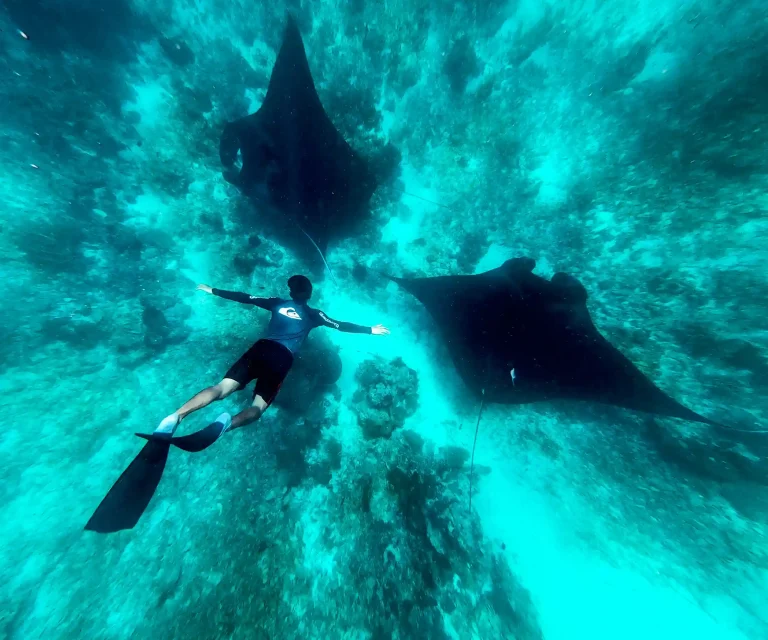
Manta Point Komodo (Karang Makassar) and Manta Point Nusa Penida in Bali are different sites in different provinces. Nusa Penida…
Island Travel
Kanawa, Kelor & Sebayur Stopovers
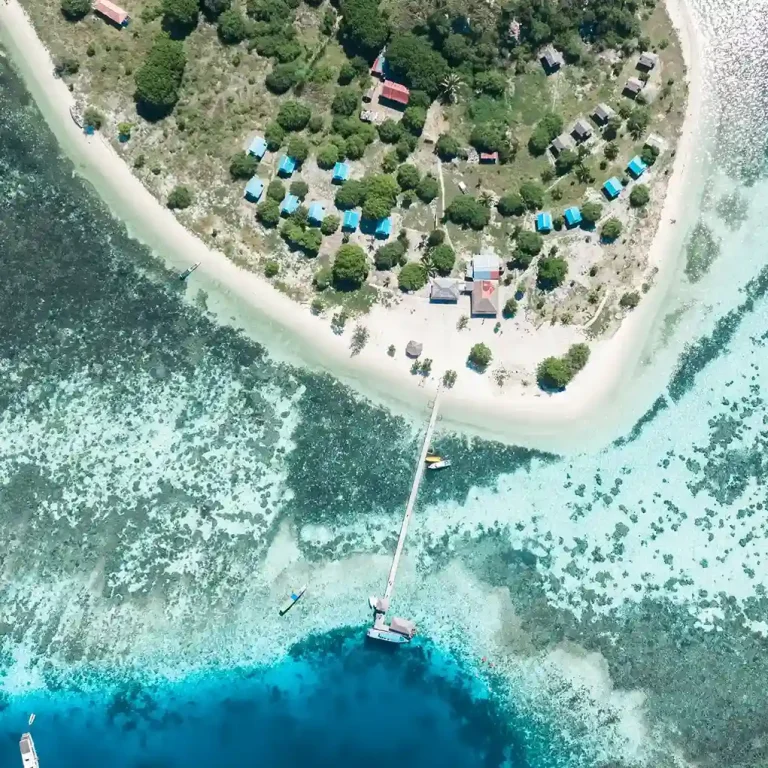
Kanawa, Kelor, and Sebayur are small islands between Labuan Bajo and Manta Point commonly used as stopovers or alternate snorkel…
Island Travel
Komodo Liveaboard Routes with Manta Point
Komodo liveaboard itineraries typically route through Manta Point in the first or second day, then continue to Manta Alley, Batu…