
Best Months to See Mantas in Komodo (2027)
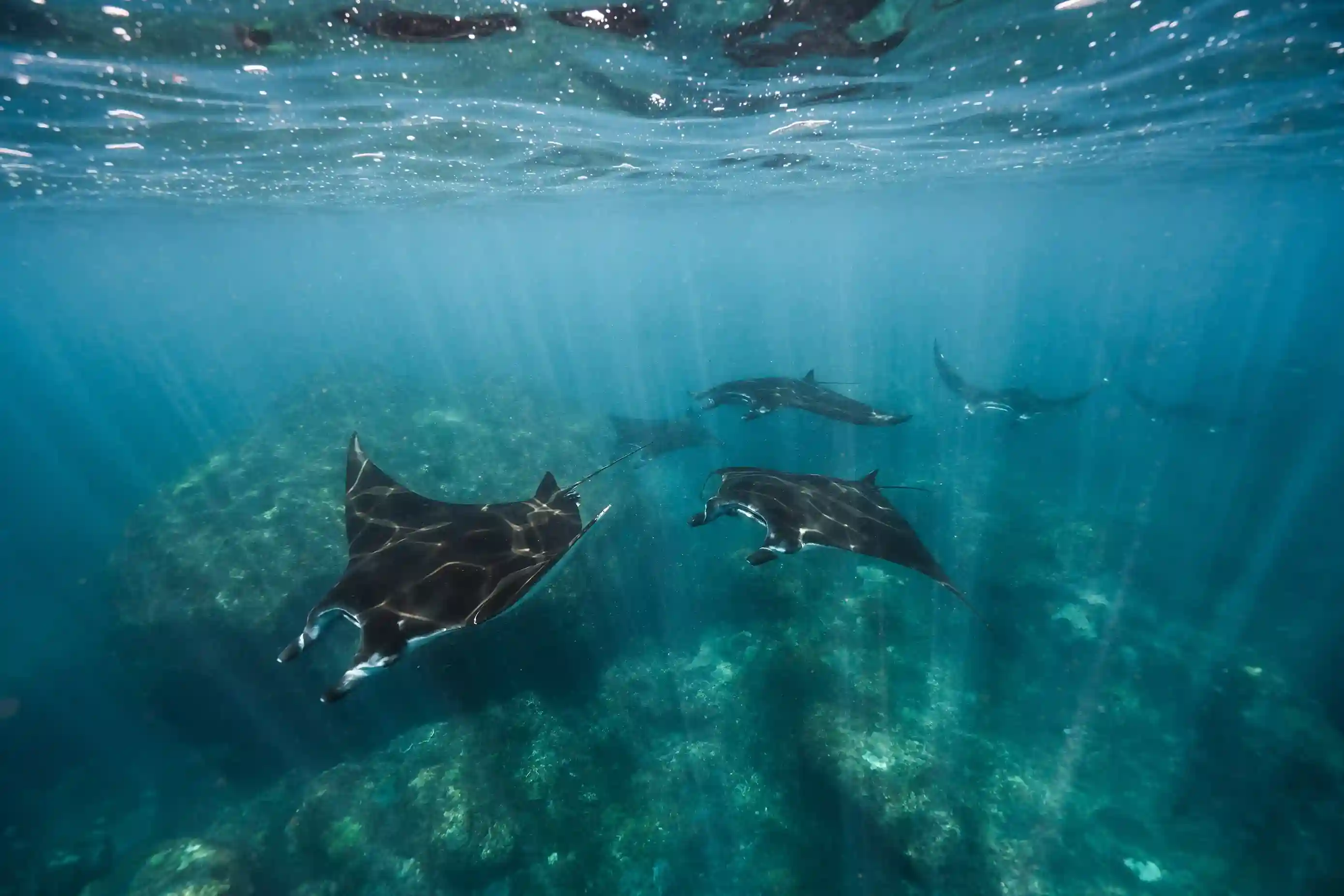
The best months to see mantas at Komodo’s Manta Point in 2027 are December through February, the reliable core of the December–March wet season driven by plankton blooms. April through November is Komodo’s dry season — clearer water but fewer manta encounters at this specific site. Sightings are never guaranteed in any month.
What Are the Best Months for Mantas at Manta Point in 2027?
Manta Point’s manta season is the wet half of the year, roughly December through March, when monsoon-driven plankton blooms pull reef manta rays into the current line at Karang Makassar; December to February is the most reliable stretch inside that window, based on years of local dive-operator logs rather than a single published survey. The dry season, roughly April through November, is Komodo at its clearest — calmer seas and roughly 15–30m visibility — but manta encounters at this specific site are fewer, arriving as small cleaning-station visits rather than feeding aggregations. Wildlife sightings are never guaranteed in any month.
2027 does not change this underlying seasonal pattern — plankton-driven manta aggregation follows the monsoon cycle year to year rather than the calendar year, so the same December–March window applies whether you are booking for early 2027 or planning a trip toward the end of the year. See our best time to see mantas guide and month-by-month season page for the underlying reasoning.
Month-by-Month Overview
| Period | Manta Likelihood | Water Conditions |
|---|---|---|
| December – February | Highest — peak of the wet season | Wetter, more plankton, slightly reduced visibility (~10–20m) |
| March | Good — the tail of the wet season | Transitional, variable day to day as the monsoon eases |
| April – November | Lower at this specific site | Dry season, calmer seas, clearer water (~15–30m visibility); clearest June–September |
This table reflects the same pattern described on our season pages, not a separate estimate — we keep one set of numbers across the site rather than restating them differently on each page.
Why Does the Rainy Season Bring More Mantas?
Rain and monsoon-driven currents stir nutrients into the water column, triggering plankton blooms. Reef mantas are filter feeders that follow plankton concentrations, so the December–March wet season creates the feeding conditions that draw them into the current line at Karang Makassar in larger numbers. The trade-off is water clarity — the same plankton that attracts mantas can reduce visibility compared to the drier months.
What If You Can Only Travel in the Dry Season (April–November)?
Mantas are still occasionally seen at Manta Point during the dry season, just less reliably than during the peak window. If your only available travel dates fall in this period, pairing the trip with other Komodo highlights — Komodo dragons, Padar’s viewpoint, Pink Beach — means a manta sighting becomes a bonus rather than the sole reason for the trip, which sets more realistic expectations. Clearer water during these months can also mean better overall visibility for the rest of your snorkeling or diving day even without a manta encounter.
Booking Timing for a 2027 Peak-Season Trip
Because December–February overlaps with the peak Komodo tourist season generally, boat and hotel availability in Labuan Bajo tightens well before the dates themselves. If you are targeting this window for 2027, booking your Komodo sailing trip or speedboat charter several months ahead gives more choice of vessel and departure time than booking close to your travel dates.
How Does Komodo’s Season Compare to Other Manta Destinations?
Manta seasonality is driven by local current and plankton patterns, so it varies meaningfully by destination rather than following one global calendar. Nusa Penida in Bali, for instance, tends to see more consistent manta activity across a wider stretch of the year due to different current dynamics, while Komodo’s Manta Point shows the more pronounced wet-season peak described above. If your trip includes both Komodo and another Indonesian manta site, it is worth checking each location’s own season pattern separately rather than assuming they align.
What If Your Travel Dates Are Fixed Regardless of Season?
Many travelers cannot choose their dates around manta season — work schedules, school holidays, or connecting flights often fix the window well before a Komodo trip is even planned. If your dates fall outside December–February, the honest approach is to treat a manta sighting as a strong possibility rather than a certainty, and build an itinerary where Komodo dragons, Padar, and Pink Beach carry the trip’s value on their own merits. Guides can also share what they have been seeing in the days immediately before your visit, which is a better real-time indicator than any general seasonal statistic.
Does the Season Affect Water Temperature Too?
Water temperature in Komodo varies somewhat by season and by specific location within the park, with cooler upwelling common near certain current-driven sites including Manta Point regardless of the broader seasonal pattern. A 3mm wetsuit or rash guard is a reasonable default for comfort across most months rather than relying on general air-temperature expectations for the season, since underwater temperature at a specific current-swept site does not always track surface weather closely.
Should You Avoid Booking During School Holiday Periods?
School holiday periods (which vary by home country but often overlap with December and July-August) add tourist volume to Labuan Bajo generally, independent of the manta season itself. If your travel dates fall in both the peak manta window and a major holiday period, expect the tightest availability of the year and book as early as realistically possible.
How Should You Weigh Season Against Price and Crowds?
Peak manta season (December–February) also means peak Komodo tourism generally, so travelers optimizing purely for manta odds should expect to trade off against crowd levels and tighter availability, while travellers on the quieter edges of the year (March, and the April–May or October–November transitions) often find a reasonable middle ground of decent manta likelihood with comparatively fewer other visitors and boats sharing the site on a given day.
The One Constant Across Any Month
Regardless of which month you choose, the etiquette and safety standards covered throughout this site apply identically — a manta encounter in a quieter shoulder month is guided with the same distance and no-touch rules as one during the busiest week of peak season, and the same honest caveat about sightings never being guaranteed applies whichever month you pick.
Frequently Asked Questions
What is the single best month to see mantas at Manta Point?
There is no single best month with certainty, but January sits in the middle of the December-February peak window, which is the most reliable stretch based on local operator observation.
Will 2027 have a different manta season than previous years?
The underlying seasonal pattern is driven by the monsoon cycle and plankton blooms, which repeat yearly rather than shifting with the calendar year, so 2027 is expected to follow the same December-March pattern.
Can you see mantas at Manta Point outside the December-February window?
Yes, sightings happen right across the December-March wet season and occasionally in the dry season too, just less reliably outside the peak months.
Is the dry season a bad time to visit Manta Point?
Not necessarily – the dry season (April-November) offers clearer water and calmer seas, just with lower manta likelihood at this specific site compared to the wet-season peak.
Ready to plan the trip? For the best months to see mantas in Komodo in 2027, reach +62 811-3823-875 or sales@komodoluxury.com and share your preferred travel window for planning.
Sources
Balancing mantas, visibility, and crowds across the 2027 calendar
The most reliable combination of frequent manta encounters and workable sea conditions at Karang Makassar usually falls between late December and March, with another solid window from June to early October. The first period is stronger for feeding aggregations in plankton-rich water, while the latter favours clearer visibility over the reef-plateau cleaning stations, especially in July and August.
Travellers who prioritise calmer seas for the boat crossing from Labuan Bajo often find January, February and March more forgiving than peak southeast trade-wind months. Wind-driven chop is typically stronger from about June to September, which can make surface intervals bumpy even when underwater conditions are excellent. The trade-off is that the cleaner dry-season water is preferred by underwater photographers.
For those trying to combine manta reliability with fewer tourists on the water, February, early March and November are useful compromises. These weeks usually keep the seasonal patterns that attract rays without the same concentration of holiday traffic as late December–early January, July–August and major regional school breaks. Boat numbers can still fluctuate sharply around public holidays, so exact “quietest” weeks shift year by year.
Divers who are highly current-averse may prefer the shoulders of both main seasons rather than the heart of the wet or dry core. April–May and late September–October can bring slightly less intense surface chop and still good manta activity, particularly on cleaning stations. The cost is that these transition months are less predictable, with occasional blank dives when conditions change quickly.
Planning a February 2027 trip to Manta Point
February often gives one of the highest chances of repeated manta encounters on a short visit, especially for snorkellers, because plankton levels in the central Komodo channels are usually still elevated. Underwater visibility is commonly in the 10–20 metre band, which is adequate for watching cleaning and feeding trains but less suitable for wide scenic photography of the reef-plateau itself.
Sea state in February is frequently more comfortable than in the middle of the dry southeast trades, with fewer whitecaps and shorter-period wind waves on the way out to Komodo National Park. That said, heavy rains and squalls can briefly make the crossing from Labuan Bajo slower or less pleasant, and stormy days occasionally keep boats closer to shore or shift itineraries.
Tourist pressure on the site is usually lower in February than in late December–early January or mid-year school holidays. You may still share the cleaning station area with several boats during the middle of the day, but sunrise departures or later afternoon tides can be quieter. Operators often time entries to slack or manageable current windows, which matters more to comfort than the month itself.
Water temperatures around Karang Makassar in February typically sit near the warmer end of Komodo’s range, often 27–29 °C. Many visitors are comfortable in a 3 mm wetsuit or even a thinner suit for single dives, although repeat-diving days and breezy surface intervals can still cause chill. Cooler upwelling closer to Rinca or further south is less common than in the July–September core.
Frequently asked questions
How many manta rays can you usually see at Manta Point Komodo?
You might see anything from a single passing ray to repeated encounters with multiple individuals during one dive or snorkel. Some days bring long gaps between sightings, while others have almost continuous activity on the cleaning lanes. Group size, feeding conditions and current strength vary, so it is better to expect a range of encounters rather than a specific number.
Is it possible to see turtles at Manta Point Komodo?
Yes, green and hawksbill turtles are occasionally seen along the rubble patches and coral heads at Karang Makassar. Sightings are less frequent than at some coral-slope reefs in Komodo National Park, because this site is more about current and plankton than sheltering ledges. Keeping an eye on the sand channels and adjacent reef blocks increases your chances between manta passes.
Is Manta Point Komodo one of the best places in Indonesia to see manta rays?
It is widely regarded as one of the more consistent manta ray sites in Indonesia, especially for snorkellers as well as divers. The shallow reef-plateau, year-round presence of Mobula alfredi and the combination of cleaning and feeding behaviour make it accessible. Other regions have strong manta seasons too, but fewer offer this mix with regular day-trip access.
What is considered the best month overall to see mantas reliably at Manta Point Komodo?
If forced to pick a single month for reliability, many guides would lean towards February, when wet-season plankton is high and resident mantas are commonly active. That said, strong encounters also happen from late December through March and again in parts of the dry season. Choosing exact dates around favourable tides and wind forecasts often matters more than the label on the calendar.
How crowded does Manta Point Komodo get with boats in peak tourist season months?
At peak holiday times you can find several boats moored or drifting over the plateau at the same time, with groups rotating through the main cleaning area. Crowding is most noticeable on calm, mid-morning tides, when schedules naturally converge. Some operators adjust timing to early or late sessions, but no one can guarantee you will have the site to yourselves.
Is the water at Manta Point Komodo still comfortable in November and December for snorkeling?
For most visitors the water in November and December is still comfortable for snorkelling, usually in the high-20s Celsius. A short wetsuit or rash vest helps with longer sessions, surface wind and multiple entries. Localised rain or upwelling can make it feel cooler on some days, so cold-sensitive snorkellers may appreciate a thin full suit even in these generally warm months.
What is the best month to avoid crowds at Manta Point Komodo?
There is no single guaranteed quiet month, but February, early March and November often see fewer boats than major holiday periods. Even then, isolated days can be busy if conditions are favourable or several trips choose the same tide. If avoiding crowds matters more than calendar month, look for mid-week dates outside regional school holidays and shoulder weeks around New Year.
How often do tours report zero manta sightings at Manta Point Komodo during peak months?
Zero-sighting days are uncommon during peak months but they do occur, even when conditions appear favourable. Currents, plankton layers and the mantas’ own movements can all shift on short timescales. Most operators build itineraries that include other reefs or drift dives, precisely because no wildlife site can promise a manta on every single visit, however reliable it seems on average.
Is the boat crossing to Manta Point Komodo rougher during certain months or winds?
Yes, the crossing tends to be rougher during periods of stronger southeast trade winds, broadly June to September, when wind waves build across the channels. In contrast, many wet-season days have less chop but can be affected by squalls and rain. Boat design, departure time and route choice also influence comfort, so experiences differ between wooden boats and faster speedboats.
Is there a time of year when mantas are more reliable?
Manta rays can be encountered at Karang Makassar throughout the year, with stronger reliability from roughly December to March and again across the heart of the dry season. The wet months favour feeding aggregations in plankton-rich water, while clearer winter conditions support regular cleaning-station visits. Exact strength varies year to year, so no specific week is guaranteed.
If you could pick only one month, which would guides choose?
Many experienced guides favour February as a strong all-round month, balancing frequent manta activity with manageable sea conditions. However, late December through March and parts of June to early October also perform very well. To refine a specific trip, it helps to look at how your dates align with tides, prevailing winds and your tolerance for rain, current and visibility changes.
Can you see mantas in Komodo in March?
Yes, March is still within the main wet-season window for manta encounters in central Komodo, and many trips see repeated rays that month. Plankton can remain elevated, and mantas may switch between feeding and cleaning behaviour over the day. Visibility is often variable, so you might trade clearer water for a higher chance of seeing groups of animals on some days.
Do you always see mantas at Manta Point?
No site can guarantee manta sightings on every single visit, including Manta Point. While encounter rates are high in the stronger months, occasional dives or snorkels yield none, especially when currents, food availability or weather shift unexpectedly. A realistic mindset is to treat mantas as the goal but value the broader reef life and Komodo National Park experience as well.
What is there to look at on a day when no mantas turn up?
Even without mantas, the reef-plateau supports schools of fusiliers, surgeonfish and trevallies, along with occasional sweetlips, rays and resting turtles. The rubble and coral heads shelter smaller reef species and invertebrates, and the channel can bring interesting pelagic fish through the blue. Many itineraries also visit additional sites that day, adding coral gardens or walls to balance the overall experience.
Can you see mantas at Manta Point during rainy season?
Yes, the rainy season is one of the key times to see mantas at Karang Makassar, with December to March often producing strong feeding aggregations. The trade-off is reduced visibility and the possibility of more unsettled surface weather. Operators monitor forecasts and tides to pick suitable windows, but occasional storms or very poor visibility can still affect plans.
Can you see mantas all year in Komodo?
Mantas are present year-round in Komodo National Park, particularly the resident Mobula alfredi population around central and southern sites. Sightings at any given location fluctuate with season, currents and food availability, so some months give higher probabilities than others. Travellers outside the main windows still have a real chance, but should accept that encounters become less predictable.
Can snorkellers see the rays clearly from the surface?
Yes, non-divers can often see mantas clearly from the surface while snorkelling, because much of the action at Karang Makassar happens in shallow water. Rays frequently glide just a few metres below, especially on cleaning lanes and when feeding near the top of the water column. Calm seas, good briefings and a well-fitted mask make a significant difference to how clearly you can watch them.
Keep reading
Manta Guides
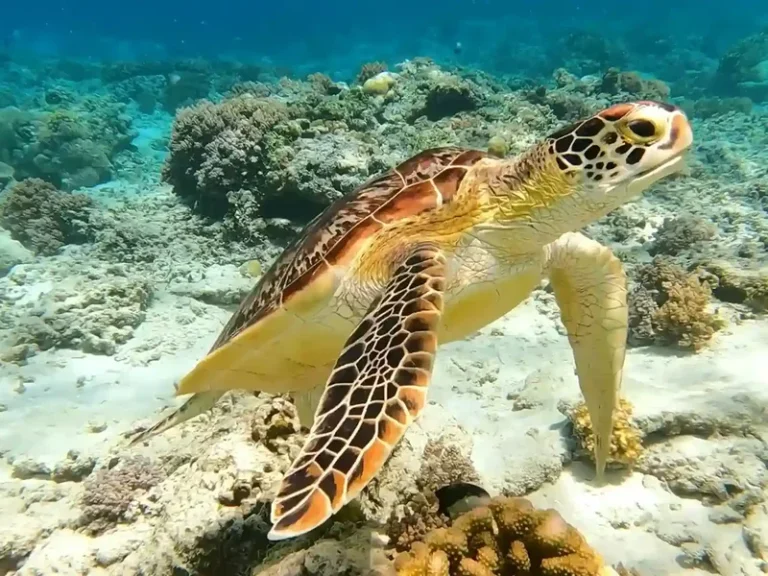
Whale Sharks, Turtles and Other Megafauna
Beyond reef manta rays, Manta Point Komodo (Karang Makassar) hosts blacktip and whitetip reef sharks, eagle rays, green turtles, and…
Manta Guides
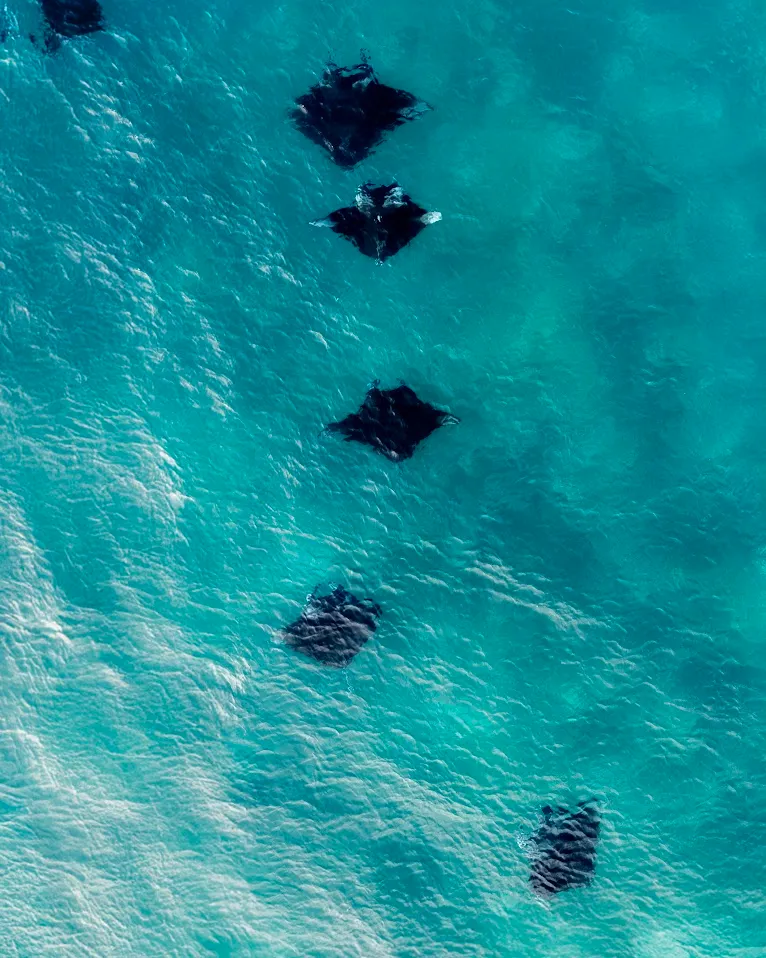
How to Identify Individual Reef Mantas
Researchers identify individual reef manta rays by the unique pattern of dark spots on their belly, especially the area between…
Manta Guides
Cleaning Station Behaviour at Manta Point
Manta Point is a cleaning station, not a feeding ground — reef mantas hover there to let small cleaner fish…