
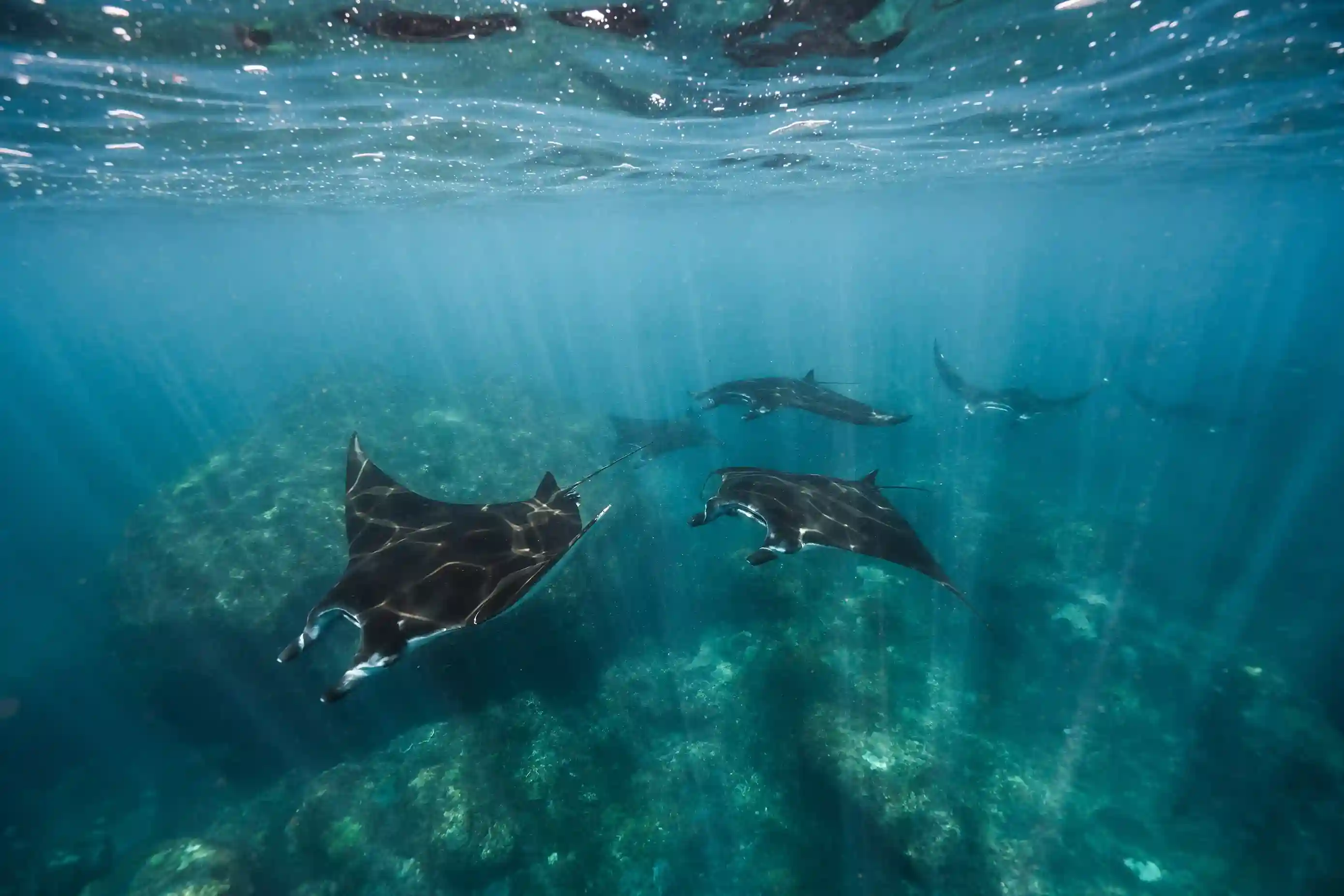
As of this page’s last review (August 2026), no officially confirmed new regulatory change specifically for 2027 has been published by the Komodo National Park Authority. The framework already in force — PP No. 36/2024 park fees and the SiOra e-ticket system mandatory since 1 April 2026 — continues to be the operating basis for 2027 visits. This page will be updated if that changes.
What we can confirm continues into 2027
- Park entrance fees under Government Regulation PP No. 36/2024 (effective 30 October 2024): a flat IDR 250,000 per foreign visitor, IDR 50,000/75,000 for Indonesian citizens (weekday/weekend), plus a roughly IDR 150,000 ranger fee per group of 1-5 people. No official revision to this fee schedule has been published for 2027.
- SiOra e-ticket booking (siora.id), mandatory since 1 April 2026, replacing walk-in ticketing. This remains the official booking channel into 2027.
- The 1,000-visitor daily quota, split into three sessions park-wide, continues as the operating cap. See our visitor quota page for the full detail on how this quota works.
Source for all of the above: tnkomodo.ksdae.kehutanan.go.id (archived 11 Feb 2026, for when the government host is unreachable), Komodo National Park Authority, and the official SiOra platform.
What we specifically did not find confirmed for 2027
Researching this page, we found a number of travel and tour-operator blogs publishing specific 2027 fee breakdowns and quota splits — some citing a different ranger fee figure, some itemising a separate “conservation fee” not found in the park authority’s own published schedule, and some citing per-site quota numbers for individual islands and dive sites. We could not trace any of these specific figures to an official park-authority document, and in at least one case a circulating figure directly conflicted with the fee schedule the park authority itself publishes. Rather than repeat an unverifiable number because it appears confident and specific, we are stating plainly: no additional 2027-specific fee or quota change beyond the continuation of the existing 2026 framework has been officially confirmed as of this page’s last review.
Why so many other sites publish confident-sounding 2027 numbers anyway
A common pattern in travel content is one site publishing a specific-sounding number without a named source, other sites picking it up and repeating it, and the number gradually looking authoritative simply because it now appears in many places — not because it was ever verified against an official document. We deliberately excluded our own domain and affiliated sites from our own research process for this reason, and we treat an unattributed specific number on a competitor blog as a red flag rather than a confirmation, especially where it conflicts with the one source that actually sets the policy: the park authority itself.
Drone rules: any change for 2027?
Drone use inside Komodo National Park requires a SIMAKSI permit from the park authority (BTNK), with site-specific flight restrictions documented for Loh Buaya, Loh Liang and Gili Lawa, and a general prohibition on disturbing wildlife that reasonably extends to marine aggregation sites like Manta Point even without a site-specific clause naming it. We found no officially announced change to this drone-permit framework specifically dated for 2027. See our Manta Point photography guide for the practical detail on drone rules as they currently stand.
Zoning: any change for 2027?
Komodo National Park’s official zonation — core zone, wilderness zone with limited tourism, tourism use zone, traditional use zone, pelagic use zone, and others — predates the 2026 fee and booking changes, and we found no documented 2027-specific zoning revision affecting Manta Point or the manta-tourism area generally.
What would actually change your trip planning if a 2027 update does land
If the park authority does announce a fee, quota or booking change for 2027, the practical things that would matter to your trip are: whether the per-visitor entrance fee changes from the current IDR 250,000 flat rate, whether the daily quota or session structure changes from 1,000/day across three sessions, and whether SiOra’s booking mechanics (who can book directly versus through a licensed operator) change. We monitor the official park-authority source directly for exactly these three items and will update this page, with a new review date, if any of them change.
How to check for the very latest, beyond this page
For the most current official information at the moment you are booking, check the park authority’s own page directly (tnkomodo.ksdae.kehutanan.go.id) or the official SiOra platform (siora.id), and ask your tour operator to confirm current fees and booking requirements as part of your trip planning — a reputable operator handling live bookings will know immediately if something has changed, ahead of most travel content being updated to reflect it.
What “no confirmed change” does not mean
Saying no official 2027 change has been confirmed is not the same as saying nothing will ever change, or that the current framework is guaranteed to last indefinitely. Indonesian park-management policy has changed materially in recent years — PP No. 36/2024 itself was a real fee-structure overhaul, and SiOra’s April 2026 rollout was a genuine shift from on-arrival to pre-booked entry. Both of those were real, documented changes when they happened. What we are saying here is narrower and more precise: as of this page’s review date, we have not found an official announcement of a further change specifically dated for 2027, and we would rather state that honestly than guess at what might come next.
How this page fits into our wider 2027 planning content
Several other pages on this site carry a “2027” reference in their title or content — trip itineraries, day-trip guides, cruise pages — and all of them are written for travellers planning trips that will actually happen in 2027, using the current, confirmed 2026 framework as the operating basis, not a speculative future one. Where those pages mention “2027,” they mean “planning for a trip you will take in 2027 under the rules currently in force,” not “rules specifically written for 2027 that differ from today’s.” This page exists specifically to make that distinction clear in one place, since it is easy to conflate “content dated for 2027 travel planning” with “confirmed new 2027 regulations,” and those are two different things.
What to do if you read a conflicting claim elsewhere
If you come across a specific 2027 fee, quota or rule claim on another site that conflicts with what is stated here, the most reliable next step is to check the park authority’s own page directly (tnkomodo.ksdae.kehutanan.go.id) rather than trying to judge between two secondary sources. If you find genuinely new official information that supersedes what is on this page, we would welcome you flagging it — contact us via WhatsApp +62 811-3823-875 or email sales@komodoluxury.com, ideally with a link to the official source, and we will review and update this page.
Frequently asked questions about 2027 changes at Manta Point
Has the Komodo National Park entrance fee changed for 2027?
Not as officially confirmed at this page’s last review. The IDR 250,000 flat fee for foreign visitors under PP No. 36/2024 continues to apply.
Is SiOra still required for Komodo entry in 2027?
Yes. SiOra has been the mandatory booking system since 1 April 2026 and continues as the official channel.
Has the visitor quota changed for 2027?
No official change has been confirmed. The 1,000-per-day, three-session, park-wide quota continues.
Why do other websites list different 2027 fees or quotas?
We could not trace those specific figures to an official park-authority source during our research, and some conflict with the authority’s own published fee schedule. We do not repeat unverified numbers on this page.
Last updated: 26 August 2026. This page will be revised, with an updated review date, if the Komodo National Park Authority publishes a confirmed 2027 change to fees, quota, or booking rules — check back here rather than relying on a screenshot or a one-time answer from elsewhere.
Sources
How to read 2027 park and weather information for a Manta Point day
Forecasts and official notices for Komodo National Park rarely mention Manta Point or Karang Makassar by name, so you need to translate broader information into site-specific expectations. Marine forecasts for the northern part of the park give a better guide to surface chop and sunshine, while wind and swell from the south and west can still push rougher conditions up the main channel where manta trips usually stop.
Seasonal climate outlooks for 2027 will tell you whether the wet or dry pattern is running late, early, or close to average, which matters more for manta encounters than any promised “best month”. A wet season that lingers into April typically means more plankton and lower visibility near the reef plateau, while a sharper transition to the dry months tends to bring clearer water but can concentrate cooler upwelling on some days.
Because park rules and fee structures are handled nationally, updates for 2027 are more likely to appear in government regulations than on tourism flyers. Checking the most recent version of PP No. 36/2024 and any replacement, plus SiOra booking screens, will give a better picture of entry conditions than social media posts. Operators then interpret those rules into practical routines, such as how rangers are shared between small groups and whether snorkellers and divers board the same boat.
Trip planning improves when you combine these public signals with flexible expectations. A forecast of rain and 10–20 metre visibility during the wet months does not cancel manta activity, but it can influence whether you prioritise photography, relaxed snorkelling, or additional sites with clearer water on the same day. For 2027, the most robust plan is to fix your travel window, then work with your chosen operator to adjust exact days and departure times a little once local weather and park notices become clearer.
Planning gear and skills for possible 2027 rule tweaks
Even without confirmed 2027 changes, some preparations give you margin if rules tighten slightly. A compact surface marker buoy and whistle make it easier for crew to manage drift snorkelling if ranger instructions move boats further from the busiest manta cleaning patches. Lightweight booties and open-heel fins help you cope with entries from different ladder heights or side platforms should boat practices be adjusted.
Comfort with moderate current remains the most useful personal skill. Brief practice with controlled negative entries, mid-water hovering, and slow frog kicks in your local diving or freediving environment gives you more options if rangers ask groups to maintain a narrower corridor beside the cleaning station. Being able to hold position without grabbing coral or rock will matter more than any minor shift in access rules that might appear in 2027.
Photographers can plan for stricter behaviour standards without buying new equipment. Learning to shoot at higher ISO and wider apertures lets you work without flash, which aligns with existing manta guidelines and any future clarification on artificial light. Practising quick strobe removal and tidy hose management before your trip reduces the chance of dangling gear brushing animals or the reef if crew or rangers become more vigilant next year.
For snorkellers, a well-fitting low-profile mask and a simple, neutrally buoyant camera setup make it easier to respond to briefings that emphasise keeping both hands free. If 2027 guidance increases the emphasis on staying in a tight group or following a specific line along the plateau, those small practical choices will matter more to your day than whether regulations themselves shifted by a few lines of text.
Frequently asked questions
Are there any restrictions on using strobes when photographing mantas at Manta Point Komodo?
Yes. Divers and snorkellers are expected not to use strobes or strong video lights on manta rays in Komodo National Park. Flash can disturb cleaning and feeding behaviour, even when animals seem tolerant. Natural light techniques, higher ISO settings, and careful positioning usually give usable images while keeping encounters calm and within the spirit of the manta protection rules already in place.
Keep reading
Komodo Travel
SiOra: Booking Your Komodo Park Permit
SiOra is Komodo National Park's official online booking system, required for every visitor's entrance ticket since April 2026 - including…
Komodo Travel
Komodo Visitor Quota and What It Means in 2027
Komodo National Park caps visitors at 1,000 per day across the whole park, split into three scheduled sessions — this…

Komodo Travel
Onboard Activities on a Komodo Charter
A Komodo charter fills its days with more than the Manta Point stop itself: sunrise Padar Island climbs, Komodo dragon…