Best Snorkeling Spot for Manta Rays in Komodo
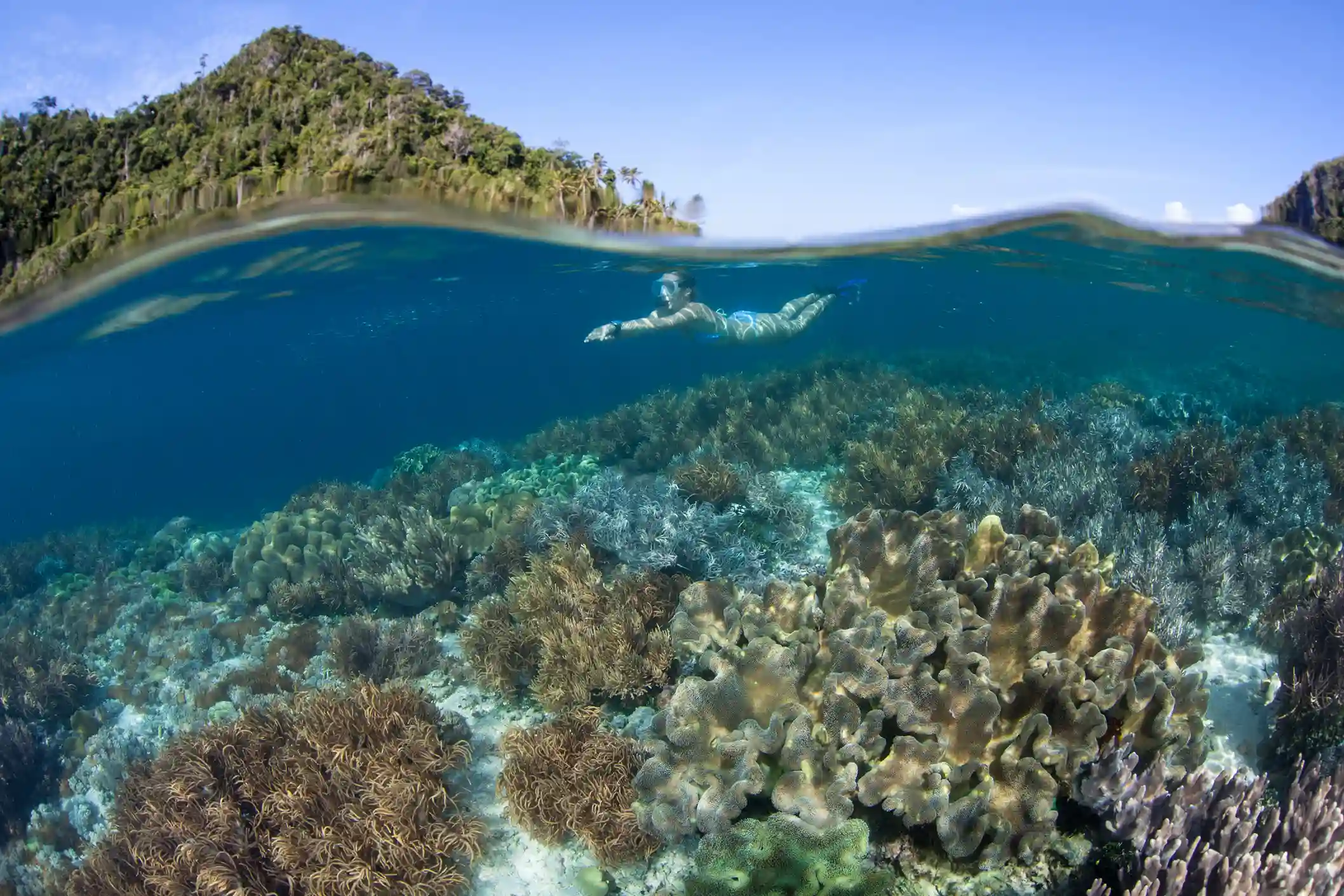
Manta Point (Karang Makassar) is the most reliable snorkeling spot for manta rays in Komodo National Park, a shallow cleaning-station reef reached in about 1–1.5 hours by speedboat from Labuan Bajo (3–4 hours on a traditional wooden boat). December–February gives the best odds within the December–March wet season; no certification is needed to snorkel here.
What Makes Manta Point the Top Snorkeling Spot for Mantas?
Manta Point sits on Karang Makassar, a reef plateau where a current line concentrates plankton and creates a natural cleaning station reef mantas return to consistently. Unlike a chance open-water encounter, a cleaning station means mantas slow down and hover in a predictable area, which is exactly what makes it snorkelable rather than a pure luck-based sighting elsewhere in the park.
How Does It Compare to Manta Alley?
Manta Alley, further south and roughly 3–4 hours from Labuan Bajo, is the other major manta site in the park but is generally better suited to diving than snorkeling due to depth and current. Manta Point remains the better snorkeling-specific choice because of its shallower cleaning-station depth and shorter travel time. See our Manta Point vs Manta Alley comparison for the full breakdown.
When Is the Best Time to Snorkel Here?
The manta window here is the wet season, roughly December through March, when plankton blooms concentrate reef mantas over Karang Makassar; December to February is the most reliable stretch within it, according to local dive-operator logs rather than any single published survey. Snorkelling in the dry season, roughly April through November, buys you calmer water and 15–30m visibility instead — fewer mantas, but a gentler day on the surface. Wildlife sightings are never guaranteed in any month.
Do You Need Diving Experience to Snorkel at Manta Point?
No. Manta Point’s cleaning station sits shallow enough that snorkelers reach viewing range from the surface without a certification — the main requirement is comfort swimming and floating in open water with moderate current, not diving skill. See our Manta Point snorkeling guide for exactly what a session involves.
What Gear and Preparation Do You Need?
- Mask, snorkel, and fins — fins especially matter for holding position in current.
- A rash guard or thin wetsuit for sun and mild cold protection.
- Reef-safe (mineral) sunscreen only.
- A life jacket if you are not a confident swimmer — offered on every trip, not a sign of weakness to use.
How Do You Get There?
Manta Point is reached by boat from Labuan Bajo harbor, about 3–4 hours by traditional wooden boat or 1–1.5 hours by speedboat. It is included as a standard stop on most Komodo day trips rather than requiring a separate dedicated booking. See our speedboat charter page for a faster, private option, or Komodo Luxury’s one-day trip for the standard group itinerary.
How Does Manta Point Compare to Sites Outside Komodo?
Travelers researching manta snorkeling sometimes compare Komodo’s Manta Point to Nusa Penida in Bali, which is more accessible (a short boat ride from a major tourist hub) but has different current and crowd dynamics. Manta Point’s advantage is being inside a national park with enforced etiquette standards and a less crowded, less commercially saturated setting than some more heavily-trafficked sites closer to major tourist centers. Neither site is universally “better” — Komodo requires more travel investment to reach but rewards it with a less crowded cleaning station and the added draw of Komodo dragons and Padar in the same trip.
What Should a First-Time Visitor Prioritize?
For a first Manta Point visit, prioritize booking with an operator who briefs thoroughly and enforces etiquette rules, choosing dates within the December–February window if your schedule allows it, and setting realistic expectations that sightings — while likely in peak season — are never guaranteed for any individual trip. Bringing your own well-fitted mask, rather than relying entirely on rental gear, also meaningfully improves comfort for anyone new to snorkeling in open-water current.
What Time of Day Should You Aim For?
Morning departures, generally before 10AM, tend to offer calmer water and better light for visibility, though the tide cycle on your specific date matters more than clock time alone for actual manta activity. Your guide will check tide tables for your travel date rather than relying on a fixed time window, since slack tide (the period between high and low tide when current eases) can fall at different hours depending on the lunar cycle.
How Does Weather Affect the Snorkeling Experience Here Specifically?
Wind and swell affect the boat crossing to Manta Point more than they affect underwater conditions at the cleaning station itself, since Karang Makassar sits in a current-swept but generally sheltered enough position for snorkeling once you arrive. The bigger day-to-day variable underwater is tide-driven current strength and plankton density (affecting visibility), both of which your guide reads on arrival rather than predicting from general weather forecasts alone.
What Makes a Snorkeling Spot “Reliable” in the First Place?
A reliable snorkeling spot for wildlife combines a predictable behavioral pattern (like a cleaning station mantas return to) with accessible depth and manageable conditions for the skill level being marketed to. Manta Point checks both boxes for snorkelers specifically, which is why it has built a stronger reputation than open-water crossings elsewhere in the park where a manta sighting would be more a matter of luck than a near-daily observed pattern during the right season.
What Should Realistic Expectations Look Like for a First Visit?
Expect a real possibility of a strong sighting during peak season, balanced against the honest fact that wildlife encounters are never contractually guaranteed. Setting expectations around “a good chance, not a certainty” tends to produce a better experience than assuming a guaranteed encounter, since the latter sets up disappointment on the rare day mantas are not actively present at the cleaning station.
Bringing It Together
Manta Point earns its reputation as Komodo’s top snorkeling spot for mantas through a combination of a genuinely reliable cleaning station, manageable depth for non-divers, and a season pattern well-documented enough to plan around — not through marketing alone, which is why it remains the default recommendation for a first Komodo manta trip.
Travellers asking where to see manta rays in Indonesia usually end up choosing between this reef and Nusa Penida in Bali. Neither is objectively the best place to swim with manta rays: Komodo offers a larger, quieter plateau and a longer season, Nusa Penida offers a half-day trip from a beach base.
Frequently Asked Questions
What is the best snorkeling spot for manta rays in Komodo?
Manta Point at Karang Makassar is the most reliable snorkeling spot for manta rays in Komodo National Park, due to its shallow, consistent cleaning station.
Do I need diving experience to snorkel with mantas at Manta Point?
No. Snorkeling at Manta Point requires no certification, only reasonable comfort swimming in open water with current.
Is Manta Point better than Manta Alley for snorkeling?
Yes, for snorkeling specifically – Manta Point is shallower and closer to Labuan Bajo, while Manta Alley generally suits diving better due to its depth and current.
What is the best season to snorkel with mantas at Manta Point?
December through February offers the most reliable sightings within the December-March wet season; April-November is drier with clearer water but fewer mantas at this site.
Ready to plan the trip? For quiet guidance on choosing a snorkeling site with good chances of manta encounters that matches your comfort level, contact +62 811-3823-875 or send a brief note outlining your experience to sales@komodoluxury.com.
Choosing Between Manta Point and Manta Alley for Surface Encounters
For snorkellers, Karang Makassar is usually a better first choice than Manta Alley. The reef plateau at Manta Point is shallower, more open and easier to read from the surface, so you can see mantas cleaning and cruising without diving deep. Boat operators can reposition along the plateau to match the drift, which increases the number of passes you are likely to get on a single stop.
Manta Alley sits in the southern part of Komodo National Park near Rinca and is more exposed to swell and cooler upwelling. The most reliable manta action there happens around narrow channels and wall features that favour confident divers. Snorkelling can be very rewarding on calm days, but access, temperature and sea conditions are less forgiving than around Karang Makassar.
Scuba gives more control at both locations, especially for staying clear of the cleaning bommies while still observing behaviour, yet surface encounters remain frequent on the plateau. For most visitors whose main aim is simply to share the water with rays, snorkelling at Manta Point offers a more accessible balance of effort, comfort and encounter quality than either deeper dives or a long run south to Manta Alley.
Equipment, Photography and Comfort for Surface Time at Karang Makassar
Good gear choices make more difference to manta encounters than many visitors expect. Compact, adjustable open-heel fins with booties suit the repeated drift entries and boat ladders better than soft full-foot models, and medium stiffness helps you cross mild currents without overworking. A well-sealing low-volume mask and a simple snorkel with a comfortable mouthpiece matter more than advanced features when you will be in the water multiple times in one day.
For cameras, the safest option in moving water is a short, wrist-mounted system: a coiled lanyard or bungee attached to the housing and a secondary clip to a D-ring on your vest. Long floating poles and neck straps are more likely to snag other snorkellers or the boat when currents pick up. If you carry a larger mirrorless or DSLR housing, keep it on a short handle and keep one hand free for swimming; image stability comes from staying relaxed, not from extra hardware.
Park entrance and conservation fees are set at Komodo National Park level, not separately for Karang Makassar, and are charged per person plus a ranger component per group under current regulations. Operators fold these official charges into their own packages along with boat, guiding and equipment, so there is no “snorkelling-only” gate fee that you can pay directly at the site itself.
Operators in Labuan Bajo can supply masks, snorkels, fins and lifejackets, and some also carry thin wetsuits. Bringing your own mask, prescription lenses if needed, and a long-sleeved swim shirt or suit reduces the risk of leaks, fogging and sunburn. A simple personal checklist would usually include mask, snorkel, fins, rash guard or wetsuit, reef-safe sunscreen for exposed areas, hat, towel, dry bag, personal medication and a spare contact lens or spectacles case if relevant.
Snorkelling Suitability: Health, Body Type and Children
Surface encounters at Karang Makassar are physically accessible to a wide range of body types. Extra body weight in itself is not a barrier, and added buoyancy can even reduce effort at the surface. The main considerations are ladder access to and from the boat, comfort with wearing a lifejacket or extra flotation, and realistic expectations about swimming speed in a current while staying close to the guide.
People with asthma need a more careful plan. Well-controlled, mild asthma that tolerates moderate exercise is often compatible with supervised snorkelling, but only a personal doctor can clear this safely. Cold upwelling water, exertion against current and anxiety can each become triggers, so bringing prescribed inhalers in a dry bag, informing the guide and staying close to the boat are essential. Anyone with recent severe attacks, night-time symptoms or uncertain control should err on the side of staying topside and enjoying the rays from the deck.
Children who are already confident in the sea, able to clear a snorkel, and able to follow instructions can enjoy guided manta snorkelling, especially in calmer months and on boats that limit group size. They must be closely supervised by both a parent and a guide, wear flotation and enter the water only when briefed. Very young or non-swimming children are better kept on board, as currents, boat traffic and the need for quick re-entries make the site unsuitable as a place to learn basic water skills.
Frequently asked questions
Sunscreen rules when snorkeling with mantas Komodo?
Reef-safe sunscreen is encouraged, and standard products with oxybenzone or octinoxate are discouraged. Apply any sunscreen at least 20 minutes before boarding so less washes straight into the water. Long-sleeved swimwear or a wetsuit reduces the amount you need. Guides may ask you not to apply fresh lotion just before entry, as surface slicks accumulate around popular manta drifts.
Is Manta Point Komodo suitable for beginners snorkeling?
The site can be suitable for beginners who are comfortable in the sea, follow instructions and use flotation. Currents and repeated boat entries mean it is not the same as snorkelling off a beach. Newer snorkellers should speak honestly with their guide, stay close to the surface marker and skip a session if they feel overwhelmed rather than pushing through fatigue or anxiety.
How does drift snorkelling actually work here?
Boats usually drop snorkellers up-current of the main plateau, then everyone drifts along with the water while watching for mantas and staying near a guide. When the group approaches the end of the planned track or spreads out, the boat picks everyone up and moves them back up-current. The aim is to ride the flow rather than swim against it, conserving energy and avoiding the cleaning patches.
Is the water shallow for snorkeling at Manta Point Komodo?
Depth across the main plateau is generally shallow enough that mantas, reef patches and sand ripples are visible from the surface without diving down. Some sections border deeper channels where the bottom quickly drops away. Guides usually keep snorkellers on the shallower side of the drift, both for visibility and to maintain a buffer from boat traffic using the deeper lanes.
Can kids join Manta Point Komodo snorkeling trips?
Children can join many trips if they are competent swimmers, comfortable with a mask and snorkel and able to listen closely to safety briefings. Fast currents, moving boats and the need for quick regrouping mean this is not appropriate for toddlers or reluctant swimmers. Parents should discuss age, ability and buoyancy options with the organiser in advance rather than deciding only on the morning.
Labuan Bajo hotel with sunset bar for post manta snorkeling?
This site does not review or recommend specific hotels or bars in Labuan Bajo. Many waterfront properties and hilltop venues advertise sunset views over the harbour, and availability changes frequently. The most practical approach is to check recent maps and independent reviews, then choose a place that matches your budget and timing after your day on the water.
Is snorkelling safe during the rainy season?
Snorkelling is routinely conducted in the rainy season when conditions are acceptable, though showers and wind are more frequent. Safety depends on daily sea state, current strength and visibility rather than rain alone. Operators may adjust timing, cancel or alter itineraries when squalls or large swell are forecast, so build some flexibility into your plans instead of locking onto one fixed day.
Keep reading
Island Travel
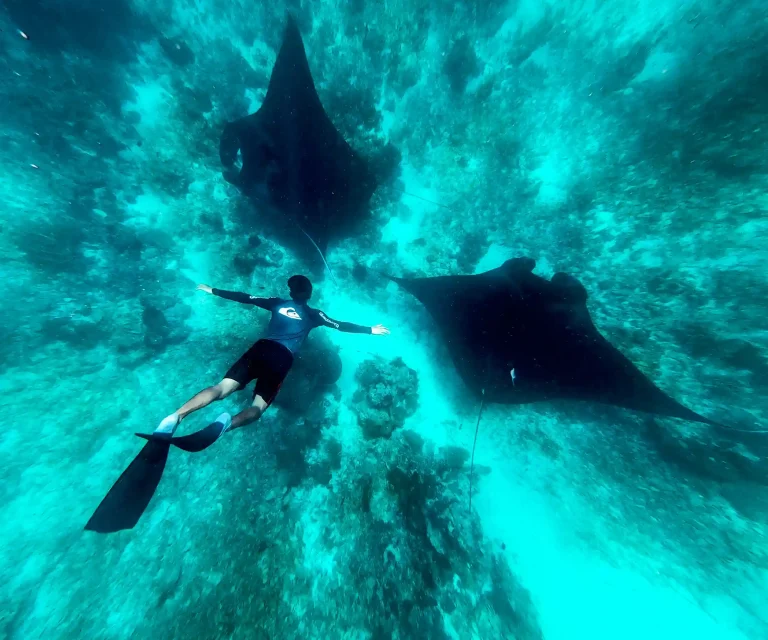
Manta Point Komodo vs Nusa Penida
Manta Point Komodo (Karang Makassar) and Manta Point Nusa Penida in Bali are different sites in different provinces. Nusa Penida…
Island Travel
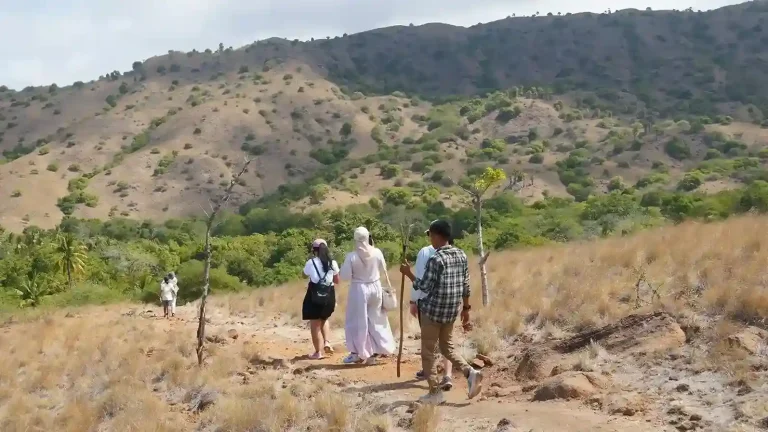
Adding Rinca or Komodo Island to a Manta Day
Rinca Island is the more common Komodo-dragon pairing with a Manta Point day, since it typically sits closer to Labuan…
Island Travel
Kanawa, Kelor & Sebayur Stopovers
Kanawa, Kelor, and Sebayur are small islands between Labuan Bajo and Manta Point commonly used as stopovers or alternate snorkel…