
Combining Bali, Komodo and Raja Ampat in One Itinerary
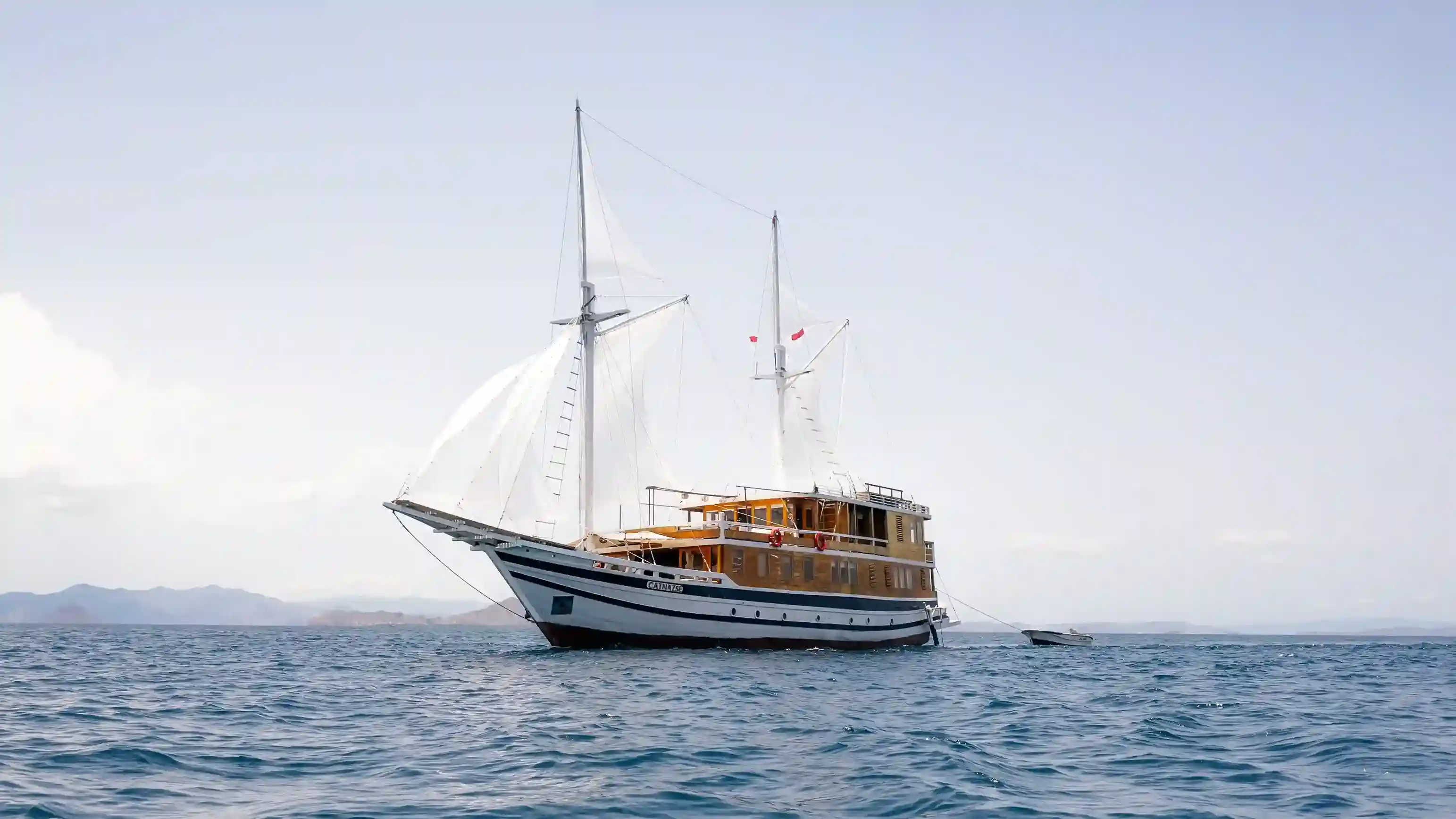
Short answer: Combining Bali, Komodo (Labuan Bajo, home of Manta Point) and Raja Ampat in one trip is realistic but takes time — plan roughly 14-18 days total once you account for the flight connections between them, since there is no direct Labuan Bajo-Sorong flight. Budget for two separate government charges. Komodo National Park is IDR 250,000 per foreign visitor under PP No. 36/2024, published by the park authority (Balai Taman Nasional Komodo tariff page, Internet Archive capture) and Raja Ampat’s marine park conservation card, whose rate is set by the Raja Ampat regency authority — confirm that card rate at the point of purchase, because this page will not print a Raja Ampat figure it cannot source.
Last updated: August 2026.
Why this combination makes sense — and why it takes longer than people expect
Bali, Komodo and Raja Ampat sit along a rough west-to-east line through Indonesia, and each offers something the others don’t: Bali for culture, food and an easy international gateway; Komodo/Labuan Bajo for dragons, dramatic island scenery and manta rays at sites like Manta Point; Raja Ampat for some of the richest reef biodiversity on the planet. The catch is geography — Raja Ampat is genuinely remote, and getting there from Labuan Bajo is not a short hop, which is the detail that trips up a lot of itinerary planning.
The flight reality: there is no direct Labuan Bajo-Sorong route
As of 2026, there is no reliable direct flight between Labuan Bajo (LBJ) and Sorong (SOQ), the gateway airport for Raja Ampat. Realistic routings connect through Jakarta (CGK) or Makassar (UPG), typically operated by Garuda Indonesia or Batik Air, and total transit time including the layover commonly runs 10-16 hours. This is the single biggest planning factor for this itinerary — treat it as consuming a full travel day, not a quick connection, and build your schedule around it rather than assuming you can squeeze in extra sightseeing that day.
| Leg | Typical time | Notes |
|---|---|---|
| Denpasar Bali (DPS) to Labuan Bajo (LBJ) | ~1h05-1h10 flight, ~3-4 hours door-to-door | Direct flights available |
| Labuan Bajo (LBJ) to Sorong (SOQ) | ~10-16 hours including layover | No direct route; connects via Jakarta or Makassar |
| Jakarta (CGK) to Sorong | ~4-4.5 hours | Direct sector on the connecting itinerary |
| Makassar (UPG) to Sorong | ~2 hours | Alternative connection point |
| Sorong airport to Sorong ferry port | ~15-30 minutes by car | Allow buffer for check-in |
| Sorong to Waisai ferry (Raja Ampat) | ~2 hours by express ferry | Daily departures, typically 09:00 and/or 14:00 depending on the day |
How many days you actually need
For meaningful time in all three regions rather than a rushed flyby, plan on:
- Bali: 4-6 days — enough for a mix of culture, coast and rest without feeling rushed before the rest of the trip.
- Komodo/Labuan Bajo: 3-4 days — enough for a Manta Point trip, Komodo/Rinca dragon viewing, and at least one more site (Padar viewpoint, Pink Beach, or a second dive/snorkel stop).
- Raja Ampat: 5-7 days on location, plus roughly a full day of transit each way given the flight-and-ferry combination above — Raja Ampat’s remoteness and cost only pay off with enough time to actually settle in.
- Dedicated travel/transit days: 3-4 days — the Bali-Komodo flight is quick, but Komodo-Sorong and the onward ferry to Waisai both eat a meaningful chunk of a travel day each.
Add it up and a genuinely comfortable version of this itinerary lands around 16-18 days door to door. A tighter 14-day version is possible but leaves less slack for weather delays, which matter more in Raja Ampat’s boat-dependent logistics than in Bali.
A sample 16-day structure
| Days | Where | Focus |
|---|---|---|
| 1-5 | Bali | Arrival, culture (Ubud), coast, rest before the more logistics-heavy legs |
| 6 | Fly Bali → Labuan Bajo | Short flight, settle in |
| 7-9 | Labuan Bajo / Komodo National Park | Manta Point snorkel or dive day, Komodo/Rinca dragons, Padar viewpoint |
| 10 | Fly Labuan Bajo → Sorong (via Jakarta or Makassar) | Full travel day |
| 11 | Ferry Sorong → Waisai → homestay/resort transfer | Arrive Raja Ampat |
| 12-15 | Raja Ampat islands | Snorkelling, diving, island time |
| 16 | Return transfer and onward flight home | Via Sorong → Jakarta/Makassar |
Park fees for this itinerary — what is documented, and what to confirm
Both Komodo National Park and Raja Ampat charge conservation or entrance fees. The Komodo figure below comes straight from the park authority’s own published tariff. The Raja Ampat card rate is set by the regency authority and is left blank here on purpose: this page has no authority source it can hand you for it, so it will not print a number:
| Region | Foreign visitor fee | Notes |
|---|---|---|
| Komodo National Park (incl. Manta Point) | IDR 250,000 flat, per person per visit | Under PP No. 36/2024, as published by Balai Taman Nasional Komodo; plus a ~IDR 150,000 ranger fee per group of 1-5. See our full Komodo fees page. |
| Raja Ampat marine park conservation card (PIN/KJL/TLPJL) | Set by the Raja Ampat regency authority — confirm at the point of purchase | Valid 12 months from purchase; a separate resident rate applies. Ask the issuing counter or your Raja Ampat operator for the current figure. |
Neither park charges the “USD 60,000-150,000” or “$45 marine park” style figure sometimes seen circulating for a combined Bali-Komodo-Raja Ampat trip — those numbers do not correspond to any published government fee schedule we could locate for either park, and this page will not repeat unsourced figures. A realistic combined park-fee budget for a foreign visitor covering both regions’ entrance permits is in the low hundreds of US dollars total, not the tens of thousands sometimes implied by unsourced blog posts — the real driver of a trip’s total cost is the boat charters, flights, and accommodation, not the government conservation fees themselves.
Note also that Raja Ampat’s regency government introduced an additional tourism levy in 2026 separate from the long-standing conservation card fee — if you’re booking a Raja Ampat leg for your trip, ask your operator to confirm the current total government charge for your travel dates, since this is a recent change and worth verifying at time of booking rather than relying on any single older source, including this one.
Booking logistics: independent vs operator-arranged
Because of the Labuan Bajo-Sorong connection complexity, most travellers doing this three-region combination book flights independently but let a local operator in each region handle the on-the-ground logistics — boat charters, park permits, and transfers — rather than trying to coordinate everything themselves across three separate destinations. For the Komodo leg specifically, a private charter gives you the flexibility to fit a Manta Point day around your onward flight schedule to Sorong rather than being locked into a fixed shared-boat departure time.
Frequently asked questions
Can I visit Bali, Komodo and Raja Ampat in under two weeks?
You can, but it will feel rushed, particularly the Raja Ampat leg given the transit time to reach it. If your schedule is genuinely limited to 10-12 days, consider dropping one region rather than giving all three too little time to be worthwhile.
Is there a faster way to get from Komodo to Raja Ampat?
Not currently by air without a connection — there is no direct Labuan Bajo-Sorong flight as of 2026. Some travellers with more time and budget consider a liveaboard sailing route between the regions instead of flying, though this adds many more days than the flight-and-ferry combination above.
Do the Komodo and Raja Ampat park fees need to be paid separately?
Yes — they are managed by entirely separate authorities (Komodo National Park under KSDAE/Ministry of Forestry; Raja Ampat’s marine park conservation card under the regional BLUD authority), so you will pay each independently as part of each leg of the trip.
Best time of year to run this combined itinerary
Timing this trip well means weighing two different seasonal patterns at once — Komodo’s manta and dive conditions, and Raja Ampat’s own weather and sea-state patterns, which don’t necessarily peak in the same months. If Manta Point sightings are a priority for your Komodo leg, check our season guide for the current wet-season aggregation vs dry-season clarity trade-off, and confirm separately with your Raja Ampat operator what conditions to expect for your specific travel window there, since sea conditions between the two regions do not always move in lockstep.
Plan the Komodo leg with Komodo Luxury
For the Manta Point and Komodo National Park portion of this itinerary, Komodo Luxury’s Komodo sailing trip and Raja Ampat sailing packages can be booked together to simplify handoff between the two regions, and their team can advise on realistic timing given your Bali dates and international flights. If flexibility around your Sorong connection matters, ask about a private yacht charter for the Komodo leg so your Manta Point day isn’t locked to someone else’s schedule.
Comparing manta encounters in Komodo and Raja Ampat
Karang Makassar in Komodo National Park offers one of Indonesia’s most reliable manta ray encounters, with reef mantas present year-round and peak feeding aggregations roughly December to March. The plateau structure, moderate depth and predictable current lines make it relatively easy for guides to position divers and snorkellers along established flyways and cleaning stations without crowding the animals.
Raja Ampat also has highly productive manta sites, but they are more dispersed and conditions can feel less predictable for a short visit. Current strength, plankton layering and local rules on site access vary between regions such as Dampier Strait and Misool. For a combined Bali–Komodo–Raja Ampat itinerary, Komodo usually delivers the more time-efficient chance of seeing mantas within a limited number of days.
Seasonality differs between the two regions. Komodo’s clearer-water dry core roughly June to September suits photographers focusing on cleaning behaviour, while the wetter months favour feeding lines and larger groups. Many Raja Ampat operators concentrate activity between roughly October and April, when seas are calmer in the north, but specific manta stations can peak at different times depending on local upwelling and krill blooms.
Diving and snorkelling priorities: where each area excels
Divers primarily interested in manta-focused dives over a short window usually get more concentrated value from basing in Labuan Bajo and targeting Karang Makassar with nearby sites such as Batu Bolong and Tatawa. Boat runs are shorter than in Raja Ampat’s more spread-out island groups, which means less transit time and more flexibility to adjust plans around current strength and visibility on the day.
Raja Ampat rewards longer itineraries that combine mantas with high-biodiversity reef dives, mangroves and fish biomass that exceed Komodo on sheer species count. However, its classic manta stations often involve longer crossings from Sorong or between regions, which can consume time on a trip that also includes Bali and Komodo. For a first Indonesian visit, many divers treat Komodo as the dedicated manta leg and Raja Ampat as a broader ecosystem goal for a later journey.
For snorkellers, the shallow reef-plateau profile at Karang Makassar is a clear advantage. Mantas regularly pass within easy freediving range above sand and coral rubble, and surface support can track the drift. In Raja Ampat, some manta cleaning stations start deeper, which may limit how much behaviour surface swimmers can see, especially if currents strengthen or visibility drops during plankton events.
Short Komodo add-ons from Bali and practical logistics
Travellers trying to add Komodo to a Bali holiday in three days need to make deliberate trade-offs. A compressed plan usually means flying from Bali to Labuan Bajo early on day one, joining an afternoon or overnight boat with a first local reef or sunset walk, dedicating day two to manta and nearby sites, then returning to Labuan Bajo on day three for an afternoon flight back to Bali. This structure sacrifices backup weather days and limits the range of more distant southern or northern sites.
Those looking at 4 day/3 night stays with a hotel base in Labuan Bajo often choose a simple pattern: stay close to the harbour for convenient early departures, accept that most time will be spent on the boat rather than at the resort, and use evenings for rest rather than extra excursions. Higher-end properties on the hills around town or on nearby islands can be appealing for honeymoons, but they sometimes add transfer steps before and after each day trip, which reduces spontaneity if forecasts or currents suggest shifting the schedule at short notice.
Weather-related cancellations are a real consideration in the wet season and during occasional transitional squalls. Operators may adjust departure times, switch from longer routes to inner-park alternatives, or cancel outright if wind, swell or visibility at the manta sites drops below safe thresholds. Travellers combining Bali, Komodo and Raja Ampat should avoid locking themselves into same-day inter-island connections after boat days, and instead keep an overnight buffer in Labuan Bajo or Bali to absorb potential delays.
Flight choices influence both cost and reliability for reaching Labuan Bajo. Direct routes from Bali are the most common starting point for a manta-focused visit, while travellers originating in Jakarta typically connect through Bali or, less frequently, through other regional hubs, as schedules and airlines change over time. Cheaper tickets often involve longer layovers or less favourable timings, which cuts into usable diving days; paying slightly more for early outbound and late return flights can preserve flexibility in an already tight combined itinerary.
Frequently asked questions
What is the best itinerary for Manta Point Komodo and nearby islands?
The most balanced plan gives one full boat day focused on Karang Makassar and at least one additional day exploring central sites such as Batu Bolong, Siaba and the Tatawa area. This allows a mix of manta encounters, reefs and drift dives or snorkels. Adding a third boat day provides a buffer for weather or currents and space for a visit to Padar or Komodo’s dragons.
How does Karang Makassar compare with Raja Ampat?
For a short, manta-focused leg within a Bali–Komodo–Raja Ampat trip, Komodo is usually more efficient. Karang Makassar is closer to the main gateway town, easier to combine with other dives and tends to offer reliable encounters year-round. Raja Ampat shines on longer itineraries where mantas are part of a broader plan that includes its reefs, mangroves and remote island groups.
Is Manta Point Komodo better than Raja Ampat?
Manta behaviour at Karang Makassar is different rather than universally better. Komodo typically offers accessible cleaning and feeding encounters on a shallow plateau, suitable for both divers and snorkellers, with relatively short boat runs from Labuan Bajo. Raja Ampat may deliver powerful scenes in more remote settings, but often demands more days, longer transits and careful timing around regional seasons.
Typical two dive itinerary from Labuan Bajo including Manta Point?
A common pattern from Labuan Bajo is a first dive at a central reef such as Batu Bolong, Siaba or Tatawa to assess currents, followed by a second dive or long snorkel drift at Karang Makassar targeting mantas. Surface intervals are usually spent near sheltered bays or small islands. Exact sequencing changes with tides, wind direction, park rules and the day’s visibility.
Keep reading
Island Travel
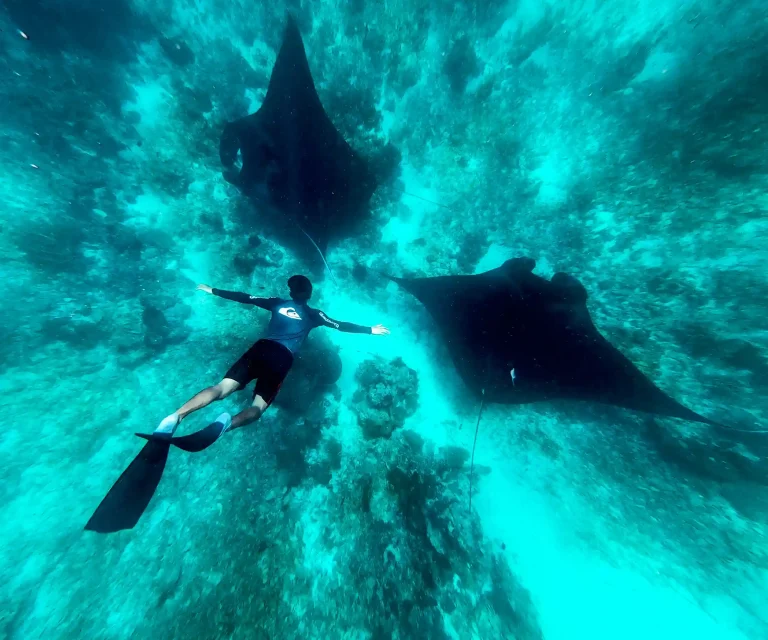
Manta Point Komodo vs Nusa Penida
Manta Point Komodo (Karang Makassar) and Manta Point Nusa Penida in Bali are different sites in different provinces. Nusa Penida…
Island Travel
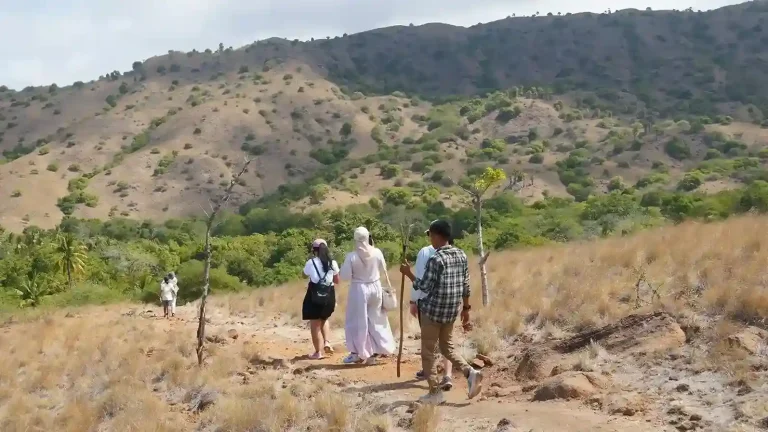
Adding Rinca or Komodo Island to a Manta Day
Rinca Island is the more common Komodo-dragon pairing with a Manta Point day, since it typically sits closer to Labuan…
Island Travel
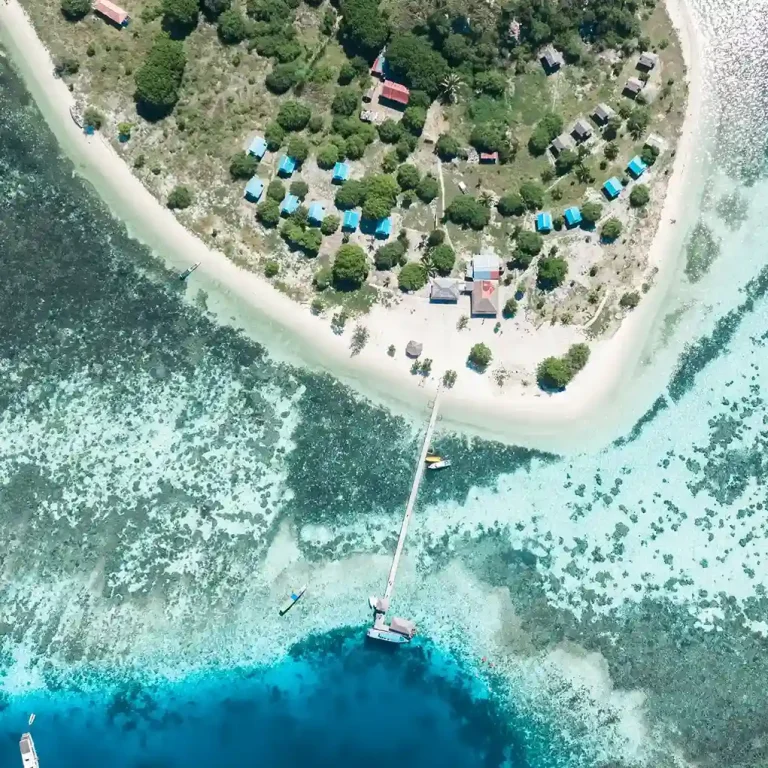
Kanawa, Kelor & Sebayur Stopovers
Kanawa, Kelor, and Sebayur are small islands between Labuan Bajo and Manta Point commonly used as stopovers or alternate snorkel…