Certification Needed to Dive Manta Point
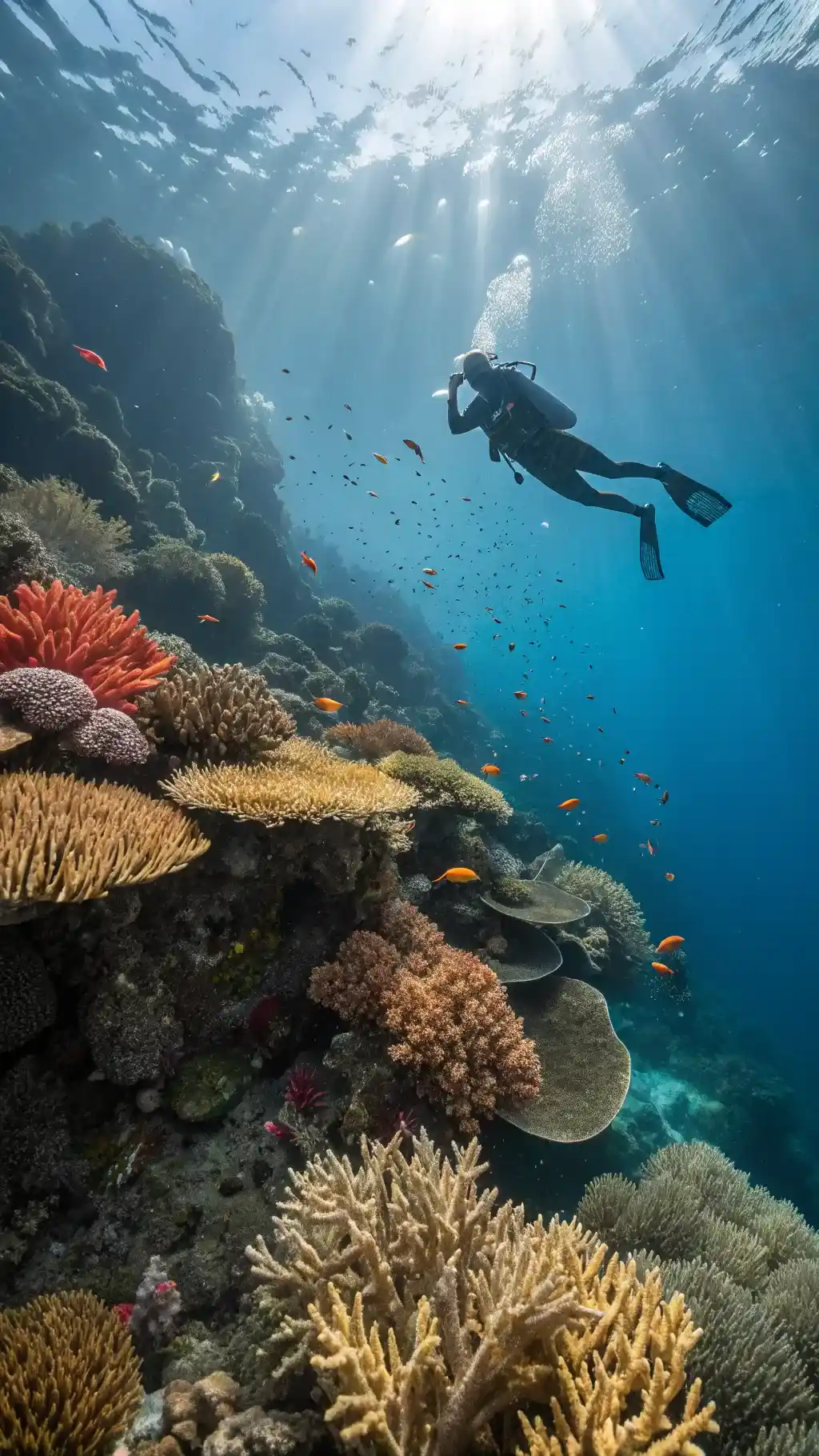
Most Komodo dive operators accept PADI/SSI Open Water divers at Manta Point, since the site’s 8-18 m depth and usually mild-to-moderate current sit well within Open Water limits. Advanced Open Water or logged drift-diving experience may be requested on stronger-current days, and is generally required at Komodo’s harder north-park sites (Castle Rock, Crystal Rock, Batu Bolong), which are a different proposition from Manta Point.
What certification do you need to dive Manta Point specifically?
Komodo dive operators consistently place Manta Point among the park’s beginner-to-intermediate sites, alongside similarly graded locations like Siaba Besar and Tatawa Besar. PADI’s Open Water certification caps recreational no-decompression diving at 18 m, which comfortably covers Manta Point’s typical 8-18 m depth range. Combined with the site’s usually mild-to-moderate current, this is why Open Water divers — rather than only Advanced Open Water divers — are widely accepted here. Some operators additionally like to see a modest number of logged dives (commonly cited informally as somewhere in the 10-20 range) purely as a comfort-with-drift-conditions check, not because the certification itself is insufficient.
When might an operator ask for more than Open Water?
Current strength at Manta Point varies with the tide rather than staying constant, and on days when the tidal exchange is running harder than usual, an operator may reasonably ask for Advanced Open Water certification or specific drift-diving experience before taking an Open Water diver into the water — this is a same-day judgment call by the dive guide based on actual conditions, not a fixed rule printed on every operator’s website. If you are a newly certified Open Water diver with limited logged dives, mention that when booking so your operator can plan the day’s group and conditions accordingly, rather than finding out on the boat that the tide is stronger than expected.
How does this compare to Komodo’s harder dive sites?
| Site type | Example sites | Typical certification expected |
|---|---|---|
| Manta Point and similar central-Komodo sites | Manta Point (Karang Makassar), Siaba Besar, Tatawa Besar | PADI/SSI Open Water |
| North-Komodo strong-current sites | Castle Rock, Crystal Rock, Cauldron/Shotgun, Batu Bolong | Advanced Open Water plus logged drift-diving experience |
This gap matters if your Komodo itinerary — a 4D3N or longer liveaboard cruise, for example — includes both Manta Point and north-Komodo sites on the same route. Confirm your own certification level covers every site your specific itinerary plans to dive, not just the easiest one. See our 4D3N cruise page for how a multi-day itinerary can combine both site types.
Do you need any certification to snorkel Manta Point instead?
No. Snorkeling requires no certification at all — you need to be a confident swimmer comfortable in open water with some current, able to use a mask, snorkel and fins under a guide’s supervision. Because Manta Point’s plateau sits mostly in 8-18 m of water, mantas are frequently visible from the surface, which is exactly why the site supports snorkeling as a full alternative to diving rather than a lesser consolation option. See our manta snorkel day trip page for what that format involves.
What if I’m not certified and want to try diving?
Some operators offer a “discover scuba” or introductory dive experience for uncertified guests, conducted one-on-one or in a small group with an instructor, at sites judged suitable for the format. Whether Manta Point specifically is offered as a discover-scuba site depends on the operator and the day’s conditions — ask directly rather than assuming it is universally available, since an instructor’s comfort taking an uncertified diver into any current-affected site is a judgment call based on conditions on the day.
Building your logged-dive experience before a Komodo trip
If Manta Point is part of a longer Komodo itinerary that also includes stronger-current sites, arriving with a reasonable number of logged dives in genuine drift or current conditions — not just calm, sheltered dives — will make both the Open Water sites and any Advanced Open Water sites more comfortable and more likely to go ahead as planned. If your certification and experience are limited, say so honestly when booking a multi-site itinerary; a good operator would rather adjust your day’s site list than put you into conditions beyond your current comfort level.
What a pre-dive briefing at Manta Point typically covers
Before entering the water, a dive guide will normally cover: the day’s current direction and strength, the planned entry and exit points, the maximum planned depth for the group, a review of hand signals for regrouping in current, and — specific to this site — the manta etiquette rules (minimum distance, no touching, no chasing, no flash photography at close range, and how to hold position near a cleaning station without drifting into it). None of this is unique to Manta Point as a briefing format, but the manta-specific etiquette section is added on top of a standard drift-dive briefing precisely because the wildlife interaction is the point of the dive.
Equipment considerations for a Manta Point dive
Because currents are tide-dependent and can shift during a single dive, a surface marker buoy (SMB) and reef hook are commonly recommended or provided by operators for Manta Point, letting divers signal their position to the boat and, where appropriate, hold position against moderate current without physical contact with the reef itself. Standard open-water dive equipment otherwise applies — there is no specialised gear requirement beyond what a certified Open Water diver would already carry for a drift dive.
Choosing an operator based on certification comfort
If you are a newer diver, ask a prospective operator directly how they handle group certification mixes on a Manta Point dive — specifically, whether they split groups by experience level when conditions vary within a single day, and what their policy is if the tide turns out stronger than forecast once the group is already in the water. A clear, specific answer to that question is a better signal of a well-run operation than a generic “don’t worry, it’s easy” reassurance. Komodo Luxury’s dive-inclusive products, including their Komodo sailing trip offering, can be booked with your certification level and experience specified in advance so the itinerary and site selection match what you are actually qualified and comfortable for. Divers comparing dive-focused operators around Labuan Bajo more broadly sometimes also check a directory such as Komodo Diving Tour.
Certification requirements for manta scuba diving are set by the operator, not by the park. Komodo scuba diving standards vary between dive centres, so the same diver can be accepted at Karang Makassar by one shop and asked for an Advanced card by another on a stronger-current date.
Frequently asked questions about diving certification for Komodo’s mantas
Is Open Water certification enough to dive Manta Point?
Yes, for most operators and most conditions. Manta Point’s depth (8-18 m) and usually mild-to-moderate current sit within Open Water limits, though Advanced Open Water may be requested on stronger-current days.
Do I need Advanced Open Water for any Komodo manta site?
Not typically for Manta Point itself. Advanced Open Water is more commonly required for Komodo’s stronger north-park current sites like Castle Rock and Crystal Rock, which are a different proposition from Manta Point.
Can I snorkel with mantas without any certification?
Yes. Manta Point’s shallow profile means snorkelers regularly see mantas from the surface with no certification required, only comfort swimming in open water with some current.
How many logged dives should I have before diving Manta Point?
There is no universal number — Open Water certification is the standard minimum most operators accept, though some like to see modest logged experience as a comfort check. Confirm directly with your chosen operator.
Last updated: 26 August 2026. Certification guidance reflects widely reported Komodo dive-operator practice rather than a single binding regulation — always confirm requirements with your specific operator before booking. See also our Manta Point overview, Manta Point diving guide, and day trip vs liveaboard comparison for related planning decisions.
Sources
How operators verify your certification and experience for Manta Point
Most Labuan Bajo dive centres will check your certification card and ask about your recent experience before confirming a booking that includes Manta Point. Expect to complete a written form listing your highest level, number of logged dives, date of last dive, and any medical issues, and to show proof of certification (physical card, digital app, or verifiable number).
On the boat, guides usually reassess experience during a verbal check: when you last dived in currents, whether you are comfortable with negative entries, and how you manage buoyancy. A conservative operator may adjust the plan based on this information, placing less experienced divers on shallower or slower sections of the reef and pairing them closely with a guide.
Certification checks serve a practical safety purpose rather than bureaucracy. In Komodo National Park, currents can change within a single dive, and guides rely on a realistic picture of your skills to decide whether to run the dive as a gentle drift, a partial drift with sheltered pauses, or to substitute a calmer site if conditions surge.
Drift-diving skills, computers, and eco-focused practices at Karang Makassar
Manta Point is usually dived as a moderate drift along a broad reef plateau, which means controlling position in the water column rather than fighting the flow. Good trim, streamlined equipment, and slow, minimal finning help you maintain a stable depth while letting the current carry you. Practising hovering without sculling, deploying an SMB, and staying close to your guide in formation are more useful here than deep or technical qualifications.
Dive computer settings should match a relaxed profile with repeated dives. Many visitors select a conservative algorithm or add a safety factor, given that Komodo trips often involve three dives per day over multiple days. Set audible depth and time alerts to avoid accidental overstay on manta cleaning stations, and plan a slow ascent with a minimum three- to five-minute safety stop at around five metres, allowing for current that can push you shallower or deeper if you stop paying attention.
Environmentally minded operators brief strict positioning rules around manta cleaning bommies: no kneeling on coral heads, no blocking the mantas’ approach routes, and no swimming directly above the fish that clean them. Some will reference regional codes of conduct for manta ray interactions in Indonesia, emphasising controlled buoyancy, lateral approach, and giving a clear escape path so the animals are not forced to abandon the site. Choosing a centre that highlights these points, rather than just “seeing mantas”, is a reliable indicator of eco awareness.
Several Labuan Bajo schools offer drift-diving or current-specialty training that can be applied at Karang Makassar, often combined with buoyancy refreshers. These courses typically focus on reading surface and sub-surface current clues, entering and exiting in flow, and using natural features for shelter. Even if you do not take a formal course, asking your guide to demonstrate how they test current before descent and how they select a route around the plateau will improve your comfort and control.
Boat logistics, surface intervals, and choosing a training-focused operator
After a dive at Manta Point, boats usually move to a nearby sheltered bay or lee side of an island for the surface interval. This reduces exposure to wind and chop, making it easier to rehydrate, review the dive plan, and switch tanks. The move also allows the skipper to reassess tide and current predictions before deciding whether to stay for a second manta dive or continue to another site within Komodo National Park.
Some dive centres operate as full training facilities with rescue-trained guides and instructors on board, while others primarily guide certified divers without offering extensive education programmes. If you want structured current practice or an introduction to manta-specific protocols, it is worth asking directly whether an instructor will be present and whether additional skills sessions can be integrated into your day.
Formal labels such as “5 Star” from international agencies indicate a range of services offered, but they do not guarantee a particular style of manta interaction. For this location, the more useful questions are about maximum divers per guide, how often they brief manta behaviour and codes of conduct, and whether they are willing to modify a plan if conditions exceed the comfort level of the least experienced diver in the group.
Online comments and word-of-mouth often mention aspects such as guide attention, clarity of briefings, and respect for marine life. When comparing options, look for consistent mention of patient supervision in currents, clear explanations of entry and exit procedures, and active management of groups around manta rays. These factors tend to matter more for safety and learning than vague claims about being “top rated”.
Frequently asked questions
Are there guidelines limiting the number of snorkelers in the water simultaneously at Manta Point?
There is no single, universally enforced cap on the number of snorkellers in the water at Manta Point, but park rules and operator policies aim to keep groups manageable. Responsible guides stagger entries and keep their own group compact to reduce pressure on mantas. Choosing a centre that limits group size and actively manages spacing usually matters more than the total number of boats present.
Are guides at Manta Point Komodo typically trained in rescue and first aid certification?
Many guides working regularly at Manta Point hold rescue-level and first aid certifications, as these are encouraged or required by reputable dive operators. However, training levels are not identical across all staff or companies. You can ask directly whether your guide is rescue trained, when their CPR/O₂ course was last refreshed, and what emergency equipment (oxygen, radio, first aid kit) will be on the boat that day.
What thickness wetsuit is recommended for diving Manta Point Komodo in July’s cooler waters?
In July, a full 3 mm wetsuit suits most divers at Manta Point, as water temperatures often sit in the mid-20s Celsius. Cooler upwelling and wind chill between dives can make some people cold, especially on repetitive dives. If you tend to feel the cold, a 5 mm suit or a 3 mm with a hooded vest provides extra comfort without being excessively bulky for drifting over the reef plateau.
Keep reading
Diving & Snorkelling
Boat Traffic Rules at Manta Point
Boat traffic rules at Manta Point exist to stop overcrowding around feeding and cleaning mantas - guides coordinate entry timing…
Diving & Snorkelling
Manta Point vs Pink Beach for Snorkelers
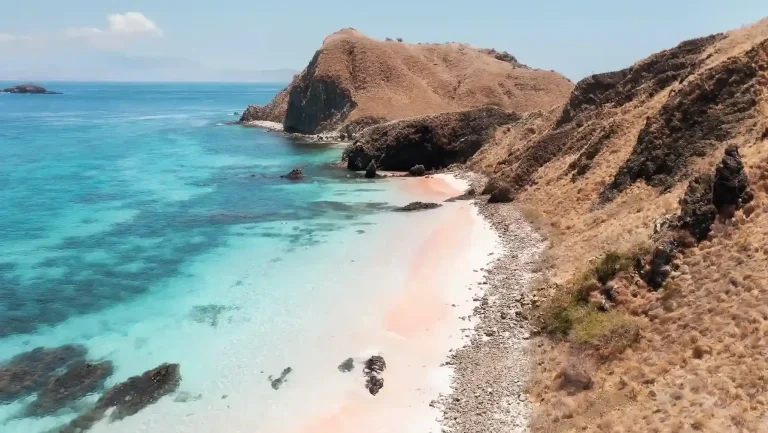
Manta Point is an open-water manta-ray site; Pink Beach is a calm, shallow coral-sand bay with reef fish but no…
Diving & Snorkelling
Water Temperature & Visibility at Manta Point
Operator-reported ranges for Manta Point: wet season (Dec-Mar) water around 27-29°C with visibility roughly 10-20 m, sometimes dropping into single…