
Is a Private Manta Charter Worth It?
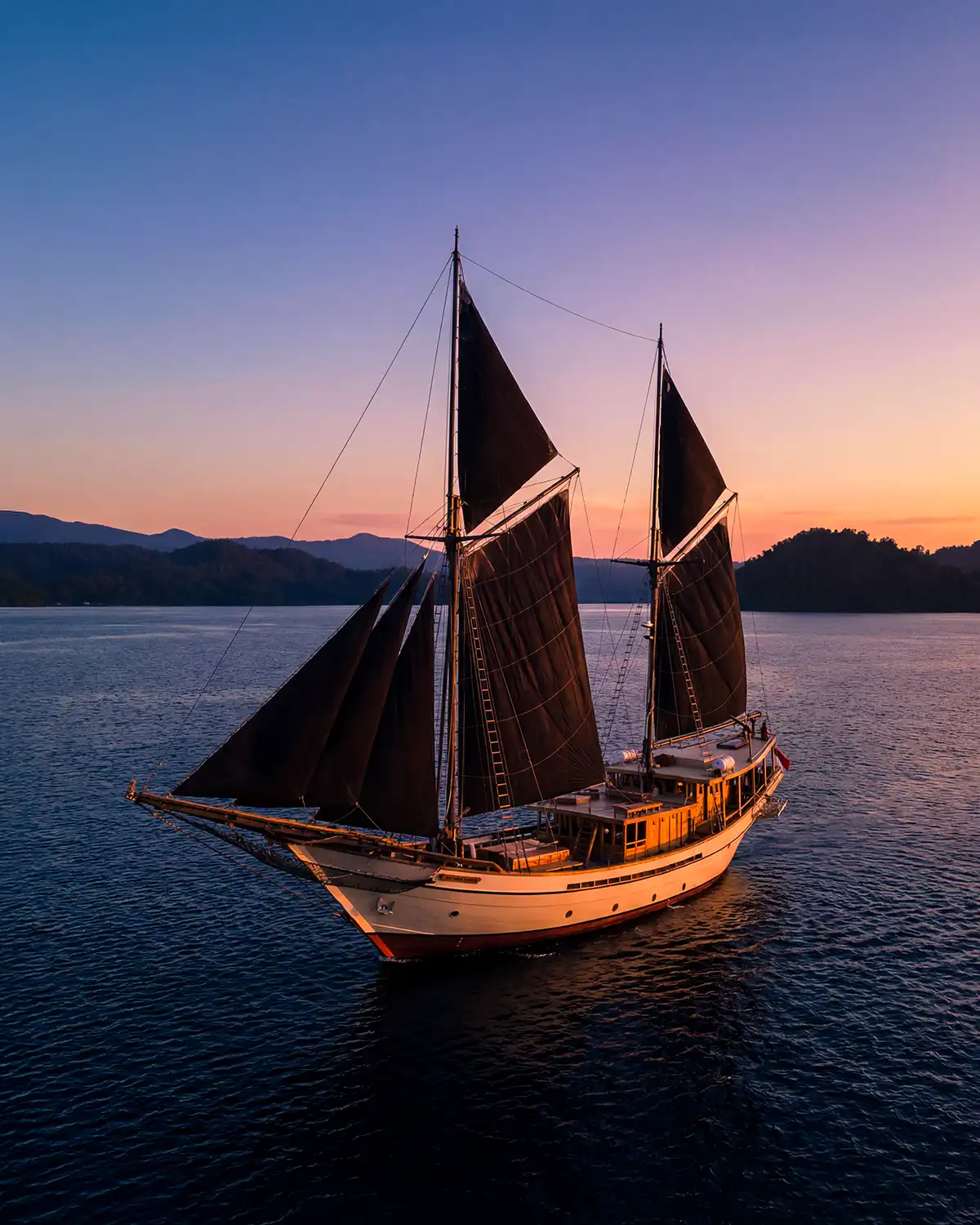
A private manta charter is worth it if you value control over timing, a smaller group in the water, and the flexibility to combine Manta Point with other stops on your own schedule. It is less worth it if budget matters more than exclusivity, since a scheduled group day trip covers the same core experience at a lower per-person cost.
What Do You Actually Gain From Going Private?
The core difference between a private charter and a scheduled group trip is control, not access — both reach the same Manta Point cleaning station. Going private means you choose the departure time (useful for beating other boats to the site early), decide how long to linger at each stop, and share the water only with your own group rather than joining whichever guests booked the same shared trip that day.
Does a Private Charter Mean Fewer Other Boats at Manta Point?
No — Manta Point is a popular, shared site, and a private charter does not reserve exclusive access to the reef itself. What it does control is your own group’s composition and schedule; on a busy day, arriving earlier via a private charter can mean fewer other boats have arrived yet, but this is a timing advantage, not guaranteed exclusivity.
Who Benefits Most From Going Private?
- Families or groups who want to control pacing rather than follow a fixed group-trip schedule.
- Photographers who want flexibility to spend longer at the cleaning station if conditions are good.
- Travelers combining Manta Point with a specific set of other stops (Padar at a particular time of day for light, for instance) that a shared itinerary would not accommodate.
- Groups uncomfortable snorkeling alongside strangers, particularly with children or less confident swimmers.
Who Is Better Served by a Group Trip Instead?
Solo travelers and couples on a budget, first-time visitors who are not sure yet what pace or stops they prefer, and anyone comfortable with a fixed schedule generally get the same core Manta Point experience from a scheduled group trip at meaningfully lower per-person cost. The manta encounter itself — the actual value most travelers are booking for — does not change based on charter type.
Speedboat or Phinisi for a Private Charter?
If you are going private, the next decision is vessel type: a speedboat charter suits a fast single day, while a phinisi charter suits a longer, more comfortable multi-day trip with Manta Point as one stop among several. Neither is inherently better — it depends on how much time you have and whether comfort during transit matters to you.
How Do You Decide Without Overspending?
A practical way to decide: if you can only picture wanting a fixed set of stops at a fixed time (Manta Point, Padar, Pink Beach, back by afternoon), a group day trip likely covers your needs. If you find yourself wanting to change the order, linger longer somewhere, or add a stop the standard itinerary does not include, that flexibility is what you are actually paying for with a private charter — and it may be worth it specifically for that reason rather than for the manta sighting alone, which a group trip provides just as reliably.
What Does Choosing the Wrong Format Actually Cost You?
The real cost of the wrong choice is rarely financial regret — it is time and flexibility mismatched to what you actually wanted from the day. A traveler who books a rigid group schedule but wanted to linger longer at Manta Point loses that flexibility for the whole day; a traveler who pays for a private charter but would have been equally happy on a shared schedule has simply paid more for a difference they did not end up using. Being honest with yourself about which of these you are before booking avoids both outcomes.
A Simple Decision Checklist
- Do you want to change stop order or timing once you see conditions that day? → Private charter fits better.
- Are you comfortable with a fixed group schedule and stops decided in advance? → Group trip fits fine.
- Is avoiding strangers in the water a priority, especially with children? → Private charter fits better.
- Is minimizing per-person cost the main priority? → Group trip is the better fit.
- Do you want the option to extend into a multi-day route later in the trip? → A phinisi private charter keeps that door open; a fixed group day trip does not.
Does Group Size on a Shared Trip Affect the Experience?
A shared group trip’s size varies by operator and season — some run small-group trips deliberately, others fill a larger boat to capacity during peak months. If crowding in the water bothers you specifically, ask about typical group size for a shared trip before assuming a private charter is the only way to avoid it; some group trips are smaller than expected, and some private charters end up near other boats at a popular site regardless of your own group’s size.
Does a Private Charter Make Sense for a Solo Traveler?
Generally no, from a pure value standpoint — a private charter’s main benefits (schedule control, avoiding strangers, group-pace flexibility) matter less to a single traveler than to a family or group, and a scheduled group trip typically offers a more social, lower-cost experience for solo visitors who don’t mind sharing a boat.
Can You Upgrade From a Group Trip to Private Later?
Generally yes, if done with enough advance notice for the operator to arrange a different boat and adjust logistics, though last-minute upgrades close to your travel date depend on vessel availability at that specific time. If you are unsure which format you want, mentioning both options when you first enquire lets the operator advise based on actual availability for your dates rather than you guessing which is more likely to be open.
The Bottom Line
A private charter is worth it when flexibility and exclusivity genuinely matter to how you want to experience the day; it is an unnecessary expense when a shared group schedule would have suited you just as well. Being honest about which describes you before booking is the real decision, more than any comparison of the trips themselves.
Frequently Asked Questions
Is a private manta charter better than a group trip?
Neither is objectively better – a private charter offers schedule control and a smaller group, while a group trip offers the same core manta encounter at lower per-person cost.
Does a private charter guarantee fewer other boats at Manta Point?
No, Manta Point is a shared, popular site. A private charter controls your own group’s schedule and composition, not exclusive access to the reef.
Who should choose a private charter over a group day trip?
Families wanting to control pacing, photographers wanting flexible time at the site, and groups wanting to avoid sharing the water with strangers typically benefit most from going private.
Does going private change the chance of seeing mantas?
No, manta presence depends on season, tide, and plankton conditions, not on whether your boat is private or shared.
Ready to plan the trip? To quietly discuss whether a private manta charter suits your group and preferences, reach +62 811-3823-875 or email sales@komodoluxury.com with your dates, group size, and any comfort or timing needs.
How “worth it” is Manta Point compared with other Komodo sites?
Manta Point sits on a long, shallow reef plateau, so the encounter is less about coral detail and more about time in the water with rays. Divers and snorkellers who value behavioural encounters – feeding chains, cleaning visits, circling trains of manta rays – usually rate this site very highly, even if they have seen richer coral elsewhere in Komodo National Park.
Visitors who arrive expecting a dramatic reef wall can feel underwhelmed by the mostly rubble and low coral cover of Karang Makassar itself. The value comes from how close you can calmly observe natural behaviour, not from the topography. If you are already visiting Komodo for dragons or northern reefs, adding a manta day generally makes sense; planning a whole trip around just this one site is less balanced.
Private charters, guides and group sizes: what actually changes in the water?
A privately chartered speedboat mainly buys you control over schedule and pacing: earlier departures to reach Manta Point before peak boat traffic, longer briefings, extra time to reposition if conditions shift, and flexibility to add another snorkel or dive instead of rushing back to Labuan Bajo. The underwater conditions themselves do not change, but your captain and guide can choose quieter patches of the plateau and time your entries more carefully.
Many operators can allocate a dedicated dive instructor or guide on a private basis, which matters for newer divers, mixed-experience couples, families with children, or anyone nervous about surface currents. A patient guide can position anxious snorkellers in slower water, keep them close to the boat, and gradually extend their comfort zone. This one-to-one or one-to-two attention is the main safety and learning benefit of going private.
Boat-level group limits are usually set by licence and safety standards; typical shared trips run with several snorkellers or divers per guide. Private charters can keep ratios far lower, but that has to be arranged in advance rather than assumed. Underwater, many marine biologists and experienced guides prefer compact groups because they generate less noise and movement around cleaning stations, which in turn tends to keep manta behaviour relaxed and predictable.
Expectations, “luxury” options and honest outcomes at Manta Point
Some travellers ask about resorts with a private jetty directly opposite Karang Makassar or luxury liveaboards that guarantee manta encounters. In practice, access to the reef plateau is by boat from Labuan Bajo or from a vessel already cruising inside Komodo National Park; shore-based luxury properties sit back in town or on nearby islands, and all still require a crossing of about 1–1.5 hours by speedboat, or 3–4 hours on a traditional wooden boat, depending on hull type and sea state.
Higher-end liveaboards can offer private cabins, stronger comfort in rougher seas, better food and more space to rest between dives. They may also carry more experienced dive teams who are familiar with secondary manta sites such as Manta Alley near Rinca, which helps if currents or crowds make Karang Makassar less suitable on a given day. None of these options, at any price level, removes the natural variability in wildlife viewing.
The chance of seeing manta rays on a given visit is high in peak season but never absolute. Between roughly December and March, plankton in the water draws animals in to feed; June to September tends to give steadier cleaning-station visits, with clearer water but sometimes fewer individuals at once. An honest review from repeat visitors would say they sometimes see dozens of rays and current-swept action, and occasionally only a few passes or none at all despite correct planning.
Frequently asked questions
Should I book Manta Point Komodo as a private charter for better timing?
Booking privately usually gives you better control of timing, so you can leave Labuan Bajo earlier and aim for quieter windows at Manta Point. The trade-off is cost and the fact that you still share the site with other boats. A well-run shared trip that departs early can deliver very similar timing if budget is more important than exclusivity.
Are private charters to Manta Point Komodo available if I want fewer people around?
Private charters are available and will limit how many people share your boat and guide. They cannot, however, control how many other vessels choose the same mooring line or drift path across Karang Makassar. If “fewer people” mainly means space on your own boat and smaller in-water groups, private arrangements help; if it means a quiet site, no format can promise that.
Is Manta Point Komodo worth it if I have never snorkelled before?
It can be worth it for first-time snorkellers, provided you expect a learning curve and accept you may not cover the whole site. Conditions can include surface chop and noticeable current, so a clear briefing, a properly fitted life jacket and a patient guide are important. Choosing a trip that explicitly supports beginners makes the experience safer and more enjoyable.
Is there shade available on boats going to Manta Point Komodo to avoid sunburn?
Most day boats and liveaboards offer some shaded area, often under a roofed deck or awning. On smaller speedboats, shade can be limited and more exposed to wind and spray. Even with covered space, the long crossings and surface intervals mean you still need sun protection clothing, a hat and reef-safe sunscreen to reduce the risk of sunburn.
Are there bathrooms or changing facilities on boats going to Manta Point Komodo?
Larger wooden boats and liveaboards typically have at least one marine toilet and a basic shower or rinse area. Compact speedboats may have no enclosed bathroom and rely on short stops at larger vessels or land facilities. If you need a proper toilet or privacy for changing, confirm boat type and amenities in advance before choosing your trip format.
Is Manta Point Komodo worth it?
For most visitors already coming to Komodo National Park, adding a manta-focused day is worth the extra time and park fees. The site is about close observation of wild rays rather than ornate coral, and sightings are never guaranteed. If your priority is guaranteed calm water or bright beaches, other activities may suit you better.
Is the site worth the day it costs you?
It is worth visiting if you are interested in natural behaviour such as cleaning, feeding and social interaction of manta rays in a relatively shallow setting. The journey can be long and occasionally rough, and some days bring few or no animals at the cleaning stations. Balancing it with dragon walks or northern reef dives gives a more rounded trip.
Is there a toilet on boats to Manta Point Komodo?
Many of the larger vessels used for trips to Manta Point include a simple toilet, often shared by all guests. The smallest, faster boats may not, trading facilities for speed and agility. If reliable access to a toilet is essential for you or your family, specify this requirement clearly when enquiring so the operator can match you to a suitable boat.
Keep reading
Diving & Snorkelling
Boat Traffic Rules at Manta Point
Boat traffic rules at Manta Point exist to stop overcrowding around feeding and cleaning mantas - guides coordinate entry timing…
Diving & Snorkelling
Manta Point vs Pink Beach for Snorkelers
Manta Point is an open-water manta-ray site; Pink Beach is a calm, shallow coral-sand bay with reef fish but no…
Diving & Snorkelling
Water Temperature & Visibility at Manta Point
Operator-reported ranges for Manta Point: wet season (Dec-Mar) water around 27-29°C with visibility roughly 10-20 m, sometimes dropping into single…