Manta Point Komodo Conditions & Currents
Short answer: Manta Point (Karang Makassar) is a tidal drift site with current that is typically mild to moderate but can turn strong on spring tides — it is driven by the tide, not the season. No independently published current-speed figures (in knots or m/s) exist for this specific site; treat any exact-number claim you see elsewhere as an unverified operator estimate.
Last updated: August 2026.
Why Manta Point has current at all
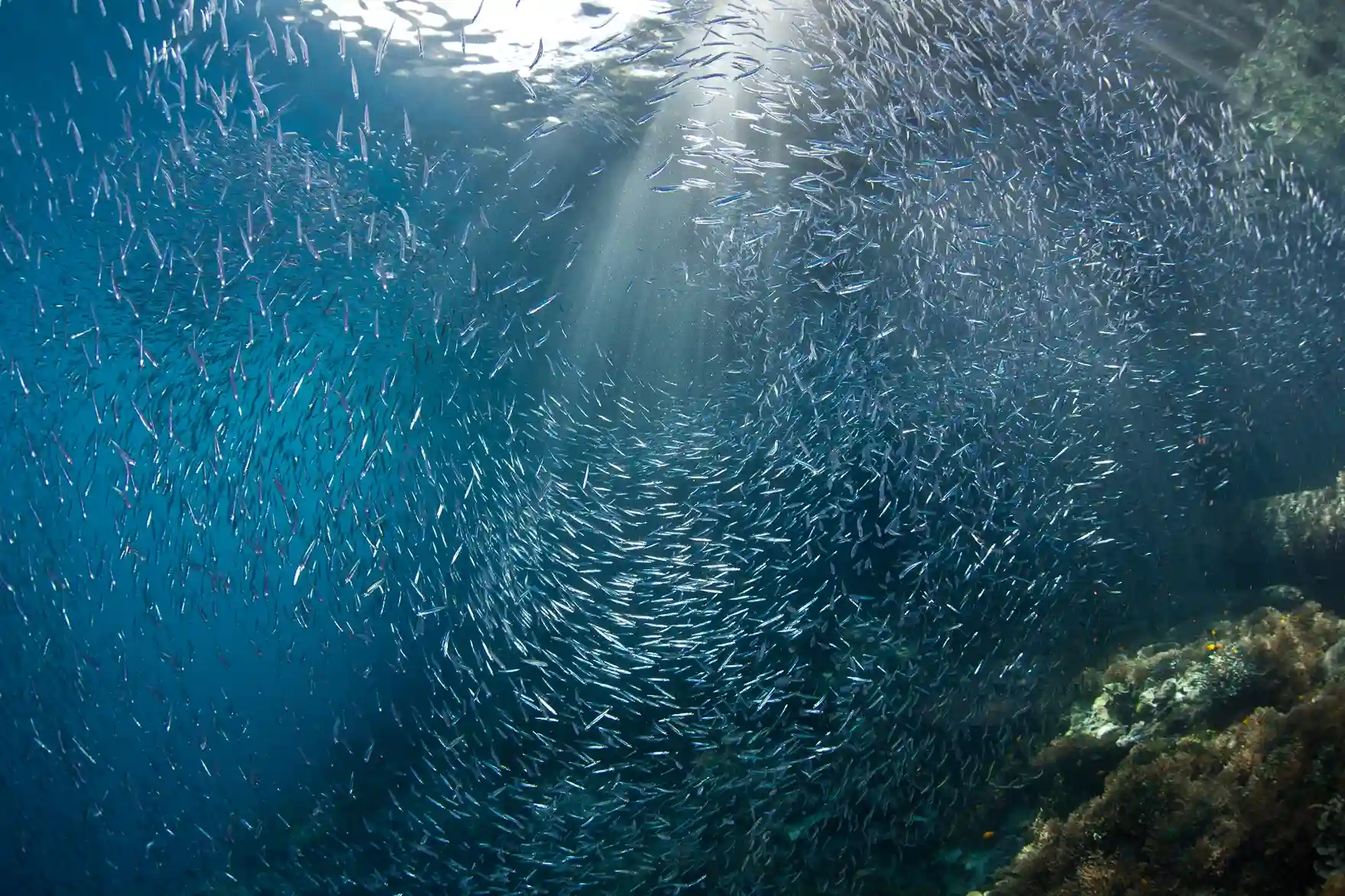
Karang Makassar sits on a shallow reef plateau inside the tidal channel between Komodo Island and Tatawa Besar. As tidal water is forced through this narrower channel, it accelerates over the plateau — the same mechanism that makes many strait and channel dive sites around the world current-prone. This isn’t incidental to the site’s appeal: that current is what concentrates the plankton mantas feed on, which is covered in full on our plankton and tides page. In short, the current is the reason Manta Point works as a manta site, not just an inconvenience to plan around.
How strong is the current, really?
Multiple dive-site descriptions for Karang Makassar consistently characterise the current as variable — typically mild to moderate, occasionally strong — and describe it as a classic drift dive where you go with the flow rather than swim against it. What we won’t do on this page is invent a specific number in knots, because no source behind this page publishes a measured current speed for this site; any figure you see quoted elsewhere as fact (e.g. “up to 3 knots”) should be treated as an operator’s informal estimate rather than a documented measurement.
What is well and consistently described is the character of the current: it changes with the tide cycle (stronger around spring tides, gentler around neap tides), it can shift noticeably within the same dive as the tide turns, and local dive guides plan entry and exit points based on the day’s specific tide table rather than a fixed routine.
Depth and how it interacts with current
The snorkel-accessible shallow plateau runs roughly 2-5 m, with typical dive depth in the 8-18 m range and a practical maximum around 18 m. This shallow profile is part of why the site suits both snorkellers and Open Water divers — you don’t need technical depth to see mantas here — but it also means current is felt more directly than it would be at a deeper site, since there is less water column to soften the flow near the surface.
Those three figures are the only depth numbers used anywhere on this site, and it is worth saying why they are fixed rather than quoted loosely. Independent sources for Karang Makassar do not agree: Vizzbud’s site profile gives 8 to 18 m, Komodo Resort’s dive-site page gives 8 to 20 m, and individual operator briefings sometimes open the range at 5 m to include the snorkel shelf or close it at 25 m to include the sand channels past the plateau edge. None of them is wrong; they are describing different parts of the same reef. Rather than average them into a number nobody published, this site fixes the snorkel shelf at 2-5 m, the dive plateau at 8-18 m and the practical recreational maximum at 18 m, and treats anything deeper as off-plateau ground that manta dives do not use. That matters for current planning specifically: the 18 m figure is what sets how much water sits between you and the surface when a tide exchange accelerates, and a briefing that quietly assumes 25 m is planning a different dive.
Is Manta Point safe for less experienced divers and snorkellers?
Yes, with appropriate guiding — this is one of the reasons Manta Point is recommended over more technically demanding Komodo sites for divers who are Open Water certified rather than Advanced, and for snorkellers with a guide and boat cover. Compare that with Batu Bolong, a nearby pinnacle site where multiple sources recommend Advanced Open Water certification and meaningful drift-diving experience due to stronger, less predictable currents including down-current risk — see our Manta Point vs Batu Bolong comparison for the full picture. Manta Point being comparatively more approachable does not mean it is a currentless site; it means the current here is generally more manageable with standard drift-diving practice and a briefed group.
How guides manage current on the day
A properly run trip briefs the group before entering the water: which direction the current is running that specific tide, where the boat will position for pickup, and how to signal if you get separated from the group. Because Manta Point is a drift site rather than a fixed mooring, staying close to your guide and the group matters more here than at a calm, static reef — drifting means the whole group moves together with the current rather than swimming to a fixed point and back.
Seasickness and surface conditions
Surface chop on the crossing to Manta Point and on the site itself varies with season more than the underwater current does — wet-season crossings (roughly December-March) can be choppier due to short, heavy monsoon downpours and associated wind, while crossings in the core dry months (roughly June-September) are generally calmer. If you’re prone to seasickness, dry-season timing and a morning departure (before afternoon wind typically builds) both help; see our season guide for the fuller seasonal breakdown.
Water temperature across the year
Water temperature at Manta Point runs roughly 25-29°C across the year, with the cooler end of that range most common during the core dry-season months (roughly June-September) and warmer water typical during the December-March wet season and the April-May / October-November shoulder months. A 3mm shorty or full wetsuit is common for repeated dives even in warmer months, since repeated immersion cools you faster than a single swim suggests; divers doing multiple dives in the cooler dry-season window often prefer a thicker wetsuit than they’d use elsewhere in the tropics.
Gear considerations for a current site
For snorkellers, a snug-fitting mask, fins with enough power to hold position briefly against moderate current, and a snorkel vest or light flotation aid (if you’re a less confident swimmer) all help. For divers, a surface marker buoy (SMB) is standard practice at drift sites like this one, letting the boat track your position from a distance — if your dive operator doesn’t brief this as standard, that’s worth asking about before you book.
Current strength quick reference
| Factor | What drives it | Practical implication |
|---|---|---|
| Tide phase | Spring tide vs neap tide | Spring tides bring stronger current; guides plan around the tide table, not the calendar month |
| Time within the dive/snorkel | Tide turning mid-session | Current can shift noticeably within a single visit |
| Season | Monsoon pattern | Affects visibility and plankton density more than current strength itself |
| Depth | Snorkel shelf 2-5 m; dive plateau 8-18 m | Current felt more directly near the surface than at deeper sites |
Frequently asked questions
Is Manta Point a hard dive site?
It’s considered accessible to Open Water certified divers with proper guiding, though it is a genuine drift site and not a calm, current-free reef. It is generally regarded as easier than nearby Batu Bolong.
Can beginners snorkel at Manta Point?
Yes, with a guide and boat cover, snorkelling is commonly offered here specifically because the plateau is shallow and the current, while present, is generally manageable for a briefed group.
Does the current get stronger at a specific time of day?
Current strength follows the tide cycle, not the clock — it can be stronger or weaker at any hour depending on where the tide is in its cycle that day, which is why guides check tide tables rather than relying on a fixed daily schedule.
Is there a published current-speed figure for Manta Point?
Not one we could independently verify. This page describes the current’s character (variable, tide-driven, generally mild-moderate with occasional strong periods) rather than inventing a specific speed figure.
Book a guided trip that manages the current for you
Komodo Luxury’s guides brief every group on current conditions specific to the day’s tide before entering the water at Manta Point, whether you’re joining a Komodo sailing trip or a Komodo boat tour. If you’re a newer snorkeller or diver and want extra reassurance about conditions on your specific dates, mention that when you message the team on WhatsApp — they can advise honestly on what to expect and pick sites accordingly.
Sources
Reading today’s conditions: wind, waves and visibility
Weather on the day shapes how comfortable the journey to Manta Point feels, even more than the underwater current. Local wind typically builds from late morning, especially in the dry season, so early departures from Labuan Bajo usually mean calmer seas and less surface chop. Afternoon rides back can be bumpier, particularly on smaller speedboats. Wind direction also sets how the boat lies at anchor or drifts, which affects entry and exit comfort for snorkellers.
At Karang Makassar, moderate trade winds create short, steep waves over the shallow plateau. That can make the surface look chaotic while conditions just a few metres below remain manageable. Stronger wind days reduce surface visibility because of glare and spray, but do not necessarily mean hazardous current below. Conversely, overcast wet-season days may have very gentle wind and easy boat movement but lower underwater visibility from plankton blooms and suspended sediment.
Guides and captains adjust plans to the combination of wind, swell direction and tide rather than any one factor. On windier days, they may use more sheltered entry points or keep groups closer to the vessel to shorten surface swims. For snorkellers who are less confident in waves, discussing tolerance for chop and ladder re-entries before departure is as important as talking about current speed or depth.
Snorkelling logistics and equipment choices in moving water
Snorkellers at Manta Point spend most of their time drifting with the flow rather than swimming against it, but equipment choice strongly influences how relaxed that feels. Stiffer, slightly longer fins allow you to make short, powerful kicks when you need to clear the boat, return to the group, or adjust position around a manta without sculling frantically. Very soft or tiny travel fins are easier to pack, yet they provide limited thrust when the current picks up.
A low-volume mask with a wide field of view and a reliable seal is preferable for a site with chop and boat traffic. A good fit reduces leaks when you turn your head quickly to follow a manta or keep track of the guide in small waves. Clear peripheral vision helps you see nearby snorkellers and surface markers while looking down-slope at cleaning stations. Fogging matters more in moving water, so pre-treating the lens and rinsing well on the boat makes a noticeable difference.
Surface comfort often hinges on flotation. Many operators provide snorkel vests or shorty wetsuits; wearing one reduces effort in a drift and keeps the group shallower, which helps guides see everyone in waves. For people who tire easily, a combination of medium-stiff fins, a well-fitted mask and a thin wetsuit or vest can turn a high-current site into a mostly passive ride, leaving more attention free for manta behaviour and hand signals.
Logistically, briefings cover how to enter the water quickly when the boat gives the signal, how to gather around the guide’s surface marker buoy, and how pickup works once the drift ends. Sticking to the guide’s line reduces the chance of being carried onto shallower coral heads or into boat lanes. Stronger current days usually mean shorter but more focused drifts, with the boat shuttling the group back to an up-current drop point rather than extending each pass.
Advanced diver orientation: flow patterns, moon phase and vertical risks
Experienced divers planning Manta Point often want to understand how large-scale flow, tides and bathymetry interact. The reef plateau sits in a channel where water from the Flores Sea and Savu Sea exchanges through Komodo National Park. As tide heights change, the main jet accelerates along the edge of the plateau and then spills over irregularities in the bottom, creating horizontal shear, eddies and occasional down-flow near walls and bommies, especially at the ends of the reef.
Most dives are run as mid-water drifts along the top or shoulder of the plateau, where vertical water movement is limited and depth control is straightforward. The main areas of concern for downward components are the steeper drop-offs and the leeward sides of large coral structures. In those zones, fast-moving water can be deflected downwards, particularly on strong tide exchanges, producing a short-lived push that may nudge divers a few metres deeper if they are close to the structure.
Lunar cycle matters because full and new moon phases bring larger tidal ranges across Komodo, and with them the potential for stronger horizontal flow on exposed corners. Around those days, guides may choose more conservative profiles, staying slightly farther from edges, shallower than the maximum depth of the cleaning stations, and ready to abort a section where bubbles are pulled sideways or downward. For divers, maintaining neutral trim, avoiding contact with the reef and keeping some gas in reserve for a safety stop in moving water are standard precautions.
Early tide windows, especially the periods of neap tides between full and new moon peaks, often provide the most predictable drifts for detailed manta observation. On those days, gliding along with a moderate current lets you observe cleaning, circling and social interactions without finning hard or fighting for position. Communicating with your operator before the trip about your comfort level in down-current scenarios allows them to align moon phase, tidal timing and part of the site with your expectations.
Frequently asked questions
How early should we leave Labuan Bajo to catch the best conditions at Manta Point Komodo?
Most operators aim to leave Labuan Bajo early in the morning so they can reach the site near a favourable tide and before wind-driven chop increases. Departure times are usually set backward from the expected slack or moderate-flow window, rather than from sunrise alone. Discussing tides when you book allows itineraries to be adjusted to the day’s conditions and boat speed.
What are the best conditions for seeing mantas clearly at Manta Point Komodo?
The clearest viewing usually happens on days with medium current, decent sunlight and visibility above roughly 15 metres. Such conditions allow mantas to circle cleaning stations predictably while divers or snorkellers drift calmly alongside. Very strong flow can shorten encounters, while very low flow sometimes reduces plankton movement and manta activity. Rain and heavy plankton blooms in wet season often reduce clarity but may increase feeding.
What current conditions should divers expect when drifting along Karang Makassar Manta Point?
Most dives are planned as gentle to moderate drifts, with the group moving in the same direction as the flow over a broad plateau. You can also encounter faster sections where you cover distance quickly and need to stay streamlined. Guides usually avoid the sharpest corners and down-current-prone edges, and will shorten or relocate a dive if the water movement exceeds the group’s comfort level.
How strong does the current actually get?
Current strength here ranges from barely moving to very fast, and the driver is the channel itself: Karang Makassar sits inside a passage that funnels water through Komodo National Park. Tide height, moon phase and your exact position along the reef decide what you get on the day, with the biggest exchanges falling around full and new moon. On a day an operator has chosen well, surface flow feels like a firm, steady push rather than a swim you have to fight, and you drift with the guide instead of working against the water. The same stretch can run much faster a few hours later, which is why skippers usually test the water before anyone gets in, and will either reposition to the calmer side of the plateau or wait for the tide to turn. Stronger days remain diveable for experienced groups with careful planning, but they make poor conditions for training, for anxious swimmers, or for anyone who would rather not be told to sit a session out. Treat the site as current-exposed every time, even when it looks flat from the deck.
Can beginners handle currents at Manta Point Komodo?
Beginners can participate when the day’s conditions, tide and chosen entry points are conservative, and when they follow a guide closely. It is not an ideal first-ever open-water site, but many new divers and snorkellers visit safely under supervision. The key is honest briefing, staying within comfort limits, and being willing to sit out a session if the current picks up beyond what the guide recommends for your experience.
How strong does the current feel to a snorkeller?
For snorkellers, the sensation is usually a steady drift that moves you past the reef without much paddling, rather than heavy resistance. On stronger phases, the flow can make it difficult to stay in one spot or swim back toward the boat, so guides manage drop and pickup points carefully. Less confident swimmers should use flotation and remain close to the surface marker buoy at all times.
How currents affect manta ray behavior Manta Point?
Mantas use water movement to their advantage, feeding in richer plankton lines and visiting cleaning stations where flow brings a constant supply of food and oxygenated water. Moderate current often means more predictable cruising paths and repeated passes by the same individuals. Extremely slack water can reduce activity, while very strong flow may push mantas to slightly different parts of the reef or depth bands where swimming requires less effort.
Manta Point Komodo safe for older travelers with heart conditions?
Safety for older travellers with heart conditions depends on medical advice, fitness, and whether they plan to dive, snorkel or stay on the boat. The site involves heat, boat motion, ladders and potentially brisk currents, so individual risk varies. Anyone with cardiac history should discuss the trip with a doctor, inform the operator in advance, and consider staying topside or limiting themselves to the calmest sessions recommended by the guide.
Keep reading
Diving & Snorkelling
Boat Traffic Rules at Manta Point
Boat traffic rules at Manta Point exist to stop overcrowding around feeding and cleaning mantas - guides coordinate entry timing…
Diving & Snorkelling
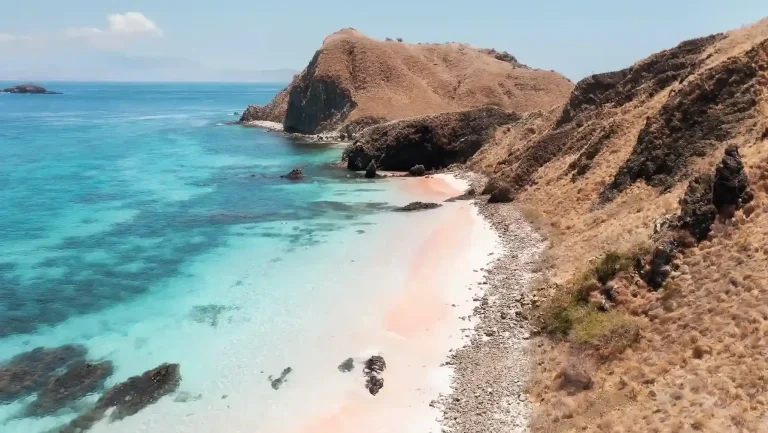
Manta Point vs Pink Beach for Snorkelers
Manta Point is an open-water manta-ray site; Pink Beach is a calm, shallow coral-sand bay with reef fish but no…
Diving & Snorkelling
Water Temperature & Visibility at Manta Point
Operator-reported ranges for Manta Point: wet season (Dec-Mar) water around 27-29°C with visibility roughly 10-20 m, sometimes dropping into single…