First-Time Manta Snorkelling: Tips for a Great Day
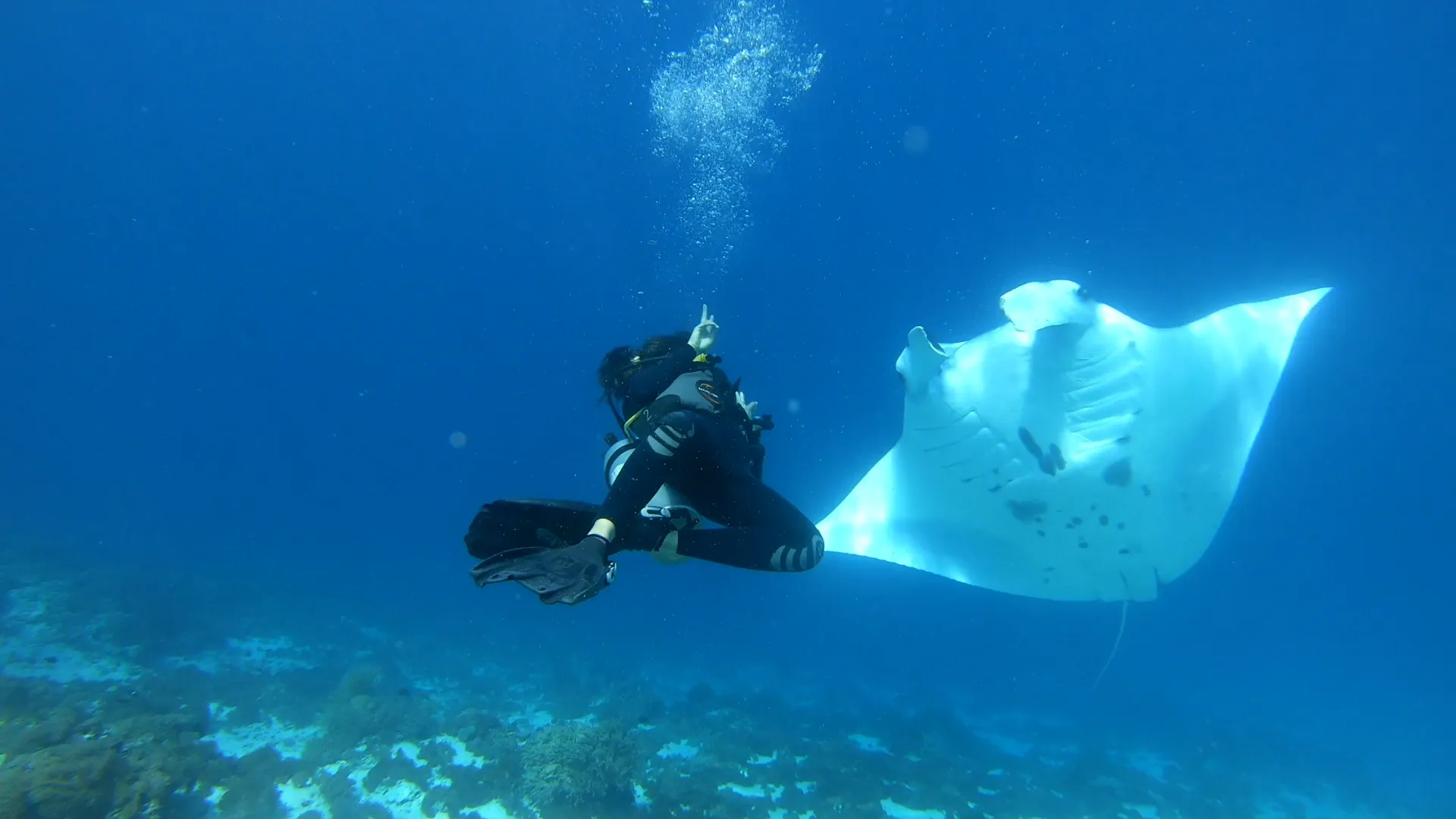
First time snorkelling with mantas at Manta Point Komodo: stay still or move slowly parallel to the manta’s path rather than chasing it, keep a respectful distance, wear reef-safe sunscreen, and let your guide position you near the cleaning station. The site’s shallow depth (8-18m) means you’ll be at the surface directly above active manta behaviour. Last updated: 29 August 2026.
What Should a First-Time Snorkeller Expect at Manta Point?
Unlike a typical reef snorkel where you swim around looking for life, Manta Point works the other way: you position yourself near a known cleaning station and wait, letting mantas circle in and out of view as they get cleaned by resident fish. Some visits bring long, close encounters lasting many minutes; others bring brief passes or none at all, since mantas are wild animals following their own behaviour, not a scripted show. Going in with realistic expectations – a real chance, not a guarantee – makes for a better first experience regardless of what the day brings.
What’s the Single Biggest Mistake First-Timers Make?
Chasing the manta. The instinct to swim directly toward an animal you’re excited to see is natural, but it’s also the fastest way to end an encounter – mantas that feel pursued tend to dive deeper or move off entirely. Staying still, or swimming slowly and parallel to the manta’s direction of travel rather than straight at it, keeps the animal relaxed and often results in it circling closer and longer on its own terms.
Do You Need to Be a Strong Swimmer?
Reasonable comfort in open water helps, given Manta Point’s current, but you don’t need to be an athletic swimmer. Life vests are commonly available for less confident swimmers, and your guide will typically position the group to minimise the need to swim hard against current. If you’re a genuinely weak or anxious swimmer, tell your guide before entering the water so they can plan your positioning accordingly – this is a normal, common request, not something to feel embarrassed about.
What Gear Do You Actually Need?
Mask, snorkel, and fins are standard rental inclusions on nearly every Komodo trip – bring your own only if you have specific fit preferences. A rash guard or thin wetsuit helps with both sun protection and warmth. Reef-safe mineral sunscreen (zinc oxide or titanium dioxide, non-nano) is the responsible choice regardless of what’s checked at the harbour – see our sunscreen guide for why this matters at a site built around a living reef ecosystem.
How Close Will You Actually Get?
This varies entirely by the individual manta and the day – some circle within a few metres of snorkellers at a cleaning station, others stay farther out or pass only once. Respectful behaviour (staying still, no touching, no chasing) tends to correlate with closer, longer encounters, but there’s no technique that guarantees proximity with a wild animal that’s ultimately making its own choice about how close to come.
What Safety Points Matter Most for a First-Timer?
Stay near your guide and the group rather than swimming off independently, since the site’s current can shift through the session. Wear a life vest if you have any doubt about your swimming comfort – there’s no downside to using one. If you get tired, signal your guide rather than pushing through fatigue in moving water. For the fuller safety picture beyond snorkelling technique, see our Manta Point FAQ, which covers current strength, seasickness, and boat safety in more depth.
Is Manta Point Accessible for Less Confident or First-Time Ocean Swimmers?
It’s more current-dependent than a sheltered beach snorkel spot, so complete non-swimmers or those very new to open water may find it more demanding than a first snorkel experience elsewhere. That said, a life vest, a calm-current day, and a guide briefed on your comfort level can make it workable for many nervous swimmers – the honest advice is to communicate your comfort level clearly before booking or entering the water, rather than discovering mid-session that conditions feel overwhelming.
What Photo or Video Tips Help First-Timers?
Keep your camera or phone secured with a wrist strap or float, since dropped gear at 8-18m depth over open rubble is difficult to recover. Shooting from a slight distance as the manta approaches, rather than trying to get uncomfortably close for a “better” shot, generally produces both better photos and a more respectful encounter. If you capture a clear shot of a manta’s belly pattern, it can be useful for citizen-science identification – see our manta identification guide for how that works.
Is Manta Point Snorkelling Accessible for Older Travellers or Those with Limited Mobility?
The boat entry and exit – typically a ladder or a step down from the swim platform – is the main physical consideration, more so than swimming itself once in the water. Older travellers and anyone with limited mobility should confirm their specific boat’s entry method with the operator beforehand, and consider requesting a calmer-current time slot if flexibility allows. A life vest reduces the physical effort of staying afloat considerably, making the in-water portion itself more manageable than the boat transfer often is. Being upfront with your operator about mobility needs before the trip lets them plan positioning and timing accordingly, rather than discovering a limitation once everyone is already on the water.
What Should You Do the Night Before Your First Manta Snorkel?
Get a reasonable night’s sleep, since most departures leave early (commonly 6:00-7:00am) and a tired, groggy start makes both the boat transfer and the snorkelling itself less enjoyable. If you’re prone to seasickness, take motion-sickness medication before you sleep or first thing in the morning, well ahead of departure rather than waiting until you feel unwell on the boat. Lay out your gear (swimsuit, rash guard, sunscreen, reusable water bottle) the night before so a pre-dawn pickup doesn’t turn into a scramble.
How Should You Manage Nerves Before Your First Encounter?
It’s completely normal to feel a mix of excitement and nervousness before swimming near an animal with a wingspan that can exceed three metres. Remember that manta rays are filter feeders with no stinger or bite risk to humans, and that your guide’s briefing exists specifically to make the encounter safe and low-stress for first-timers. Watching your guide’s body language in the water – calm, unhurried movements – is often more reassuring in the moment than anything read in advance.
First-Time Snorkel FAQ
Is a wetsuit necessary for a first manta snorkel?
Not strictly, but a rash guard or thin wetsuit helps with sun protection and warmth, especially in cooler dry-season water.
What if I’m scared of open water or strong current?
Tell your guide before entering the water – they can position you more conservatively, provide a life vest, and adjust expectations for a calmer part of the session.
How do I avoid scaring the manta away?
Stay still or move slowly parallel to its path rather than swimming straight at it, and never attempt to touch it.
Is it normal to not see a manta on your first try?
Yes – sightings aren’t guaranteed on any single visit, even in peak season; this reflects the wild, unscripted nature of the encounter, not a failed trip.
Ready to book your first Manta Point snorkel? See Komodo Luxury’s sailing trip for scheduled and private options, or our full snorkelling guide for site-specific detail beyond first-timer tips.
Timing, routes and practical logistics for your first visit
Most day trips leave Labuan Bajo in the morning, aiming to reach Karang Makassar between late morning and early afternoon when currents are usually established and mantas are more predictably active. Departure on a speedboat is typically within the 07:00–09:00 band; slower wooden boats leave earlier because of the longer transit. The trade-off is that earlier starts mean cooler air and water, but fewer surface crowds at the peak manta periods.
First-time visitors often focus only on the manta stop and overlook the full boat day. The journey involves about 1–1.5 hours each way by speedboat, or 3–4 hours on a traditional wooden boat, plus additional snorkel or island stops built into most itineraries. Plan a light, non-greasy breakfast, carry any personal medication in a dry bag, and assume at least eight hours away from shore. For the SiOra-based park tickets and ranger fees, your operator will usually handle the online booking, but you still need cash or card ready on the day and a copy of your ID.
Seasickness on the way to Komodo National Park is common for first-timers because the route can cross wind-exposed channels. Taking a non-drowsy motion-sickness tablet 30–60 minutes before departure, staying on the open deck with eyes on the horizon, and avoiding heavy food and alcohol the night before make the biggest difference. If you are prone to motion sickness, request a seat near the boat’s centre of motion and keep a bottle of water and light snacks to maintain blood sugar without overloading your stomach.
Staying safe in currents and looking after your body
Karang Makassar is essentially a long, shallow plateau where snorkellers and divers often experience a mild to moderate drift. For beginners, the main safety rule is to stay level with your guide and never fight the current; let it carry you over the reef and use slow, relaxed fin kicks to adjust your position. Lifting your head regularly to check the boat and surface marker, and agreeing clear hand signals before entry, prevents quiet anxiety from turning into real separation.
In stronger flow, drift snorkelling safety improves if you keep a little buoyancy in your jacket or snorkel vest rather than trying to dive down repeatedly. Neutral or slightly positive buoyancy keeps you higher in the water column where the current is often more even and away from coral heads. For divers, staying a touch heavier than usual and using the reef’s natural contours for shelter helps you control your speed; avoid grabbing live coral or resting on the cleaning station where mantas queue.
Sun exposure is one of the most underestimated risks on a manta day. Equatorial light reflects off the sea surface, so you receive UV from above and below during long boat transfers and multiple snorkel sessions. A long-sleeved rash vest or 3 mm wetsuit, full-length leggings or suit bottoms, and a wide-brimmed hat for surface intervals do more work than sunscreen alone. Where possible, choose a mineral or reef-safe lotion and reapply every time you dry off, including behind knees, tops of feet and backs of hands.
Water temperature around Karang Makassar in August can dip to the mid-20s Celsius because of regional upwelling, especially if your itinerary also includes more southern sites. Many snorkellers are comfortable in a 3 mm suit, but a 5 mm layer or additional hooded vest helps cold-sensitive travellers or those planning several long sessions. Feeling chilled increases your air hunger and can aggravate seasickness, so err on the warmer side if you are unsure, particularly for repeat mantas-focused days.
Seeing more mantas and interacting responsibly
Encounters are never guaranteed, but you can quietly tilt the odds. Trips that target the wet-season plankton pulses from roughly December to March often find larger feeding aggregations, accepting that visibility is shorter. In the dry-season core from June to September, you trade numbers of animals for clearer water and more consistent cleaning-station behaviour. Whichever month you choose, staying calm at the surface, limiting splashing and entering the water promptly when your guide signals usually yields longer, closer passes than racing towards the first fin you see.
Ethical interaction improves both manta behaviour and your viewing time. Maintain several metres’ distance, stay horizontal at the surface, and never dive down onto a ray or block its circular path over a cleaning bommie. Flash photography can startle animals in lower light, and chasing a moving manta almost always shortens the encounter for everyone. If you hold position at the side of their route and avoid clustering into a dense group, individuals often choose to loop past repeatedly, which is far more rewarding than a single rushed approach.
For first-time divers on nitrox, typical bottom times at Karang Makassar are limited more by boat planning, gas supply and current strength than by no-decompression limits. Staying shallow on a plateau with enriched air increases your theoretical allowable time, but most guides prefer controlled, shorter drifts with a clear pick-up plan rather than maxing out every cylinder. Divers and snorkellers sharing the same manta lane also need to be aware of each other; ascending slowly and watching for surface groups prevents unexpected overlaps.
Camera use benefits from a less-is-more approach. A small action camera or GoPro on a short handle or tray is easier to stabilise while you concentrate on your breathing and position. Using a wide-angle setting, locking exposure if possible, and slowing your own movements produces smoother footage than chasing after every ray. To reduce mask fogging that can ruin both vision and video, clean the lens with a mild, non-abrasive cleanser before the trip, then apply a defog solution or a small drop of baby shampoo, rinsing lightly without over-scrubbing.
Frequently asked questions
Is Manta Point Komodo safe for first-time snorkellers?
It is generally safe for first-time snorkellers who are comfortable in the water and follow their guide closely. Currents can be noticeable, and boat traffic is present, so listening to the briefing and staying with the group are essential. Using a snorkel vest, not diving down, and signalling early if you feel tired or anxious keeps the experience within most beginners’ comfort zones.
Labuan Bajo stay recommendations for first time solo manta traveler?
Staying in central Labuan Bajo keeps you close to the harbour, minimising early-morning transfers and making it easier to meet your boat. Solo travellers often prefer accommodation within walking distance of the main waterfront and supermarkets so they can organise snacks, sun protection and cash for park fees. Choose a place with clear communication about pick-up times and storage for your gear between trips.
Tips for seasick divers on the way to Manta Point Komodo?
Take a proven motion-sickness tablet before boarding, then stay outside in the airflow, looking at the horizon rather than your phone or camera. Avoid heavy, oily food and alcohol the evening before, and eat a small, bland breakfast instead. Sitting near the boat’s centre of motion, sipping water in small amounts, and lying back with closed eyes if you feel unwell usually helps more than standing and forcing conversation.
Do you need a wetsuit at Manta Point Komodo?
You do not strictly need a wetsuit, but many snorkellers and divers are more comfortable wearing one, especially on longer days with multiple entries. Water is often 27–29 °C, yet wind and evaporation between sessions can chill you. A 3 mm suit is a practical baseline, while August and trips that include cooler southern sites can justify a thicker layer for those who get cold easily.
Keep reading
Manta Guides
Whale Sharks, Turtles and Other Megafauna
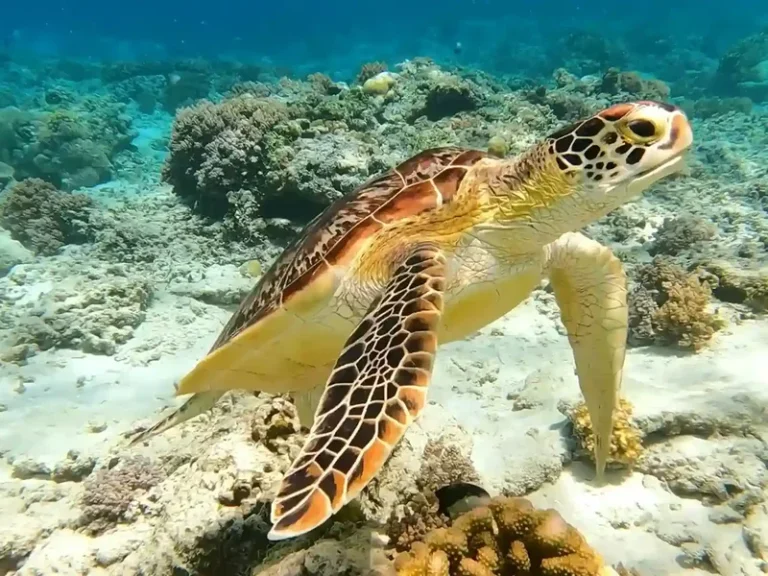
Beyond reef manta rays, Manta Point Komodo (Karang Makassar) hosts blacktip and whitetip reef sharks, eagle rays, green turtles, and…
Manta Guides
How to Identify Individual Reef Mantas
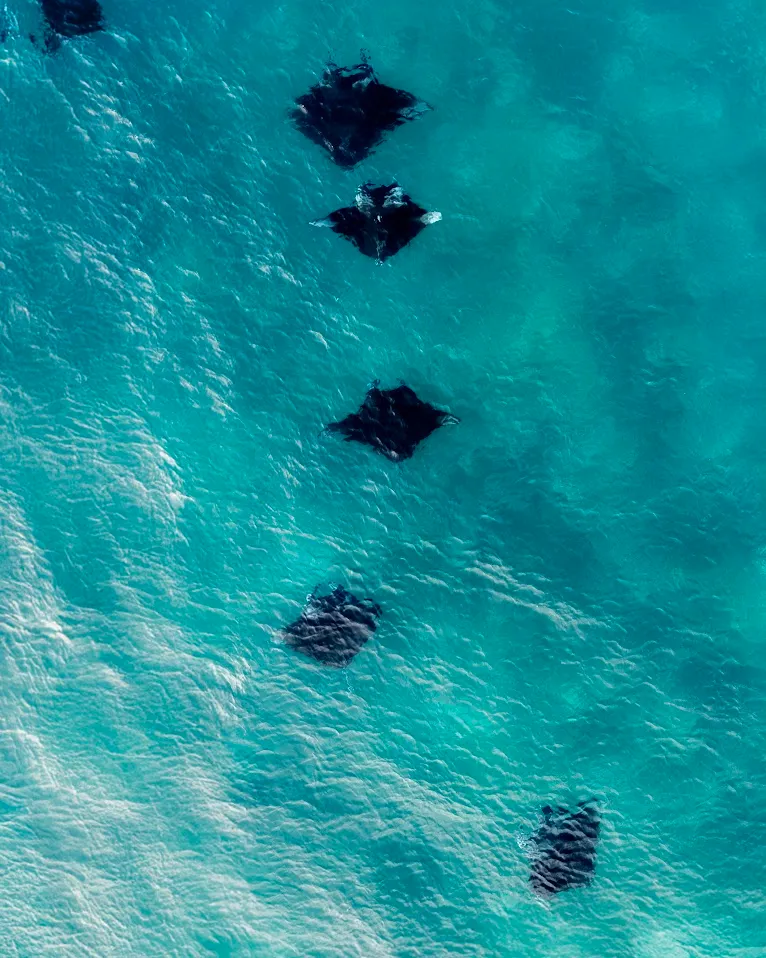
Researchers identify individual reef manta rays by the unique pattern of dark spots on their belly, especially the area between…
Manta Guides
Cleaning Station Behaviour at Manta Point
Manta Point is a cleaning station, not a feeding ground — reef mantas hover there to let small cleaner fish…