Short answer: Manta Point (Karang Makassar) is the easier, more beginner-friendly site — a shallow drift with mild-to-moderate current, suitable for Open Water divers and guided snorkellers, built around reef manta rays. Batu Bolong is a deep, dramatic pinnacle with strong, sometimes unpredictable currents (including down-current risk), recommended only for Advanced Open Water divers with real drift experience, and known for dense reef fish schools and excellent coral rather than mantas. They are not interchangeable, and picking the wrong one for your certification level matters.
Last updated: August 2026.
The core difference in one sentence
Manta Point is a shallow, current-swept plateau where you drift alongside reef mantas; Batu Bolong is a steep underwater pinnacle where you descend into strong current for dense reef fish and coral, with the pinnacle continuing well past recreational dive limits. If you have to choose one and you’re not yet Advanced Open Water certified, Manta Point is almost always the appropriate choice.
Depth comparison
| Manta Point (Karang Makassar) | Batu Bolong | |
|---|---|---|
| Shallow zone | ~2-5 m (snorkel-accessible plateau) | ~5 m at the pinnacle summit |
| Typical dive depth | ~8-18 m | ~10-25 m (main diving zone) |
| Maximum extent | ~18 m | Continues past 35-40+ m on the flanks |
Batu Bolong’s structure is meaningfully more dramatic and demanding — it’s a true pinnacle dropping into deep water, whereas Manta Point stays within a shallow plateau range throughout.
Current comparison
| Manta Point | Batu Bolong | |
|---|---|---|
| Typical current | Variable, generally mild to moderate; can be strong on spring tides | Medium to strong, described by multiple sources as swirling and less predictable, with down-current risk on exposed faces |
| Snorkel-friendly? | Yes, with a guide and boat cover | No — not considered appropriate for snorkelling |
| Recommended minimum level | Open Water, with a drift briefing | Advanced Open Water, with real drift/current experience — some sources suggest 50+ logged dives as a practical guideline |
This is the single most important practical difference between the two sites for trip planning: Batu Bolong is genuinely not suitable for newly certified divers or snorkellers, while Manta Point is specifically one of the more accessible current sites in Komodo National Park. For the full detail on Manta Point’s current specifically, see our conditions and currents page.
Marine life comparison
| Manta Point | Batu Bolong | |
|---|---|---|
| Headline attraction | Reef manta rays (Mobula alfredi), resident year-round | Extremely dense reef fish schools and healthy coral cover |
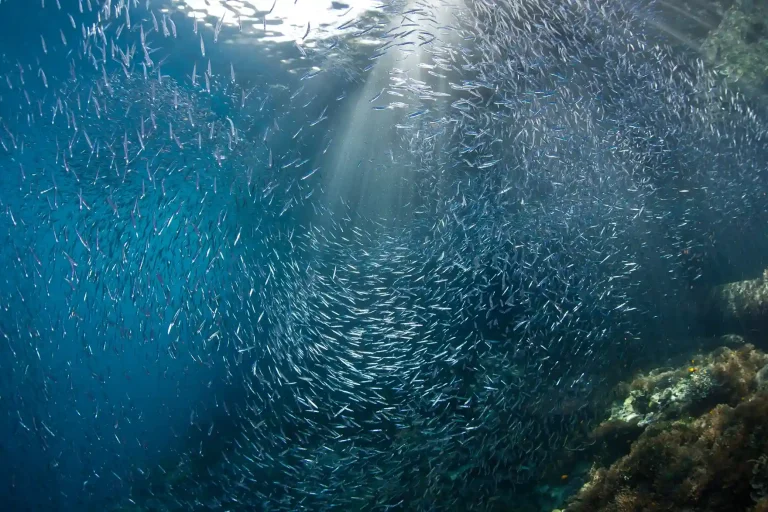
| Other species commonly reported | Whitetip reef sharks, green sea turtles, spotted eagle rays, giant trevally | Fusiliers, anthias, surgeonfish in dense schools; pelagics including trevally and tuna; occasional reef sharks and turtles |
| Coral cover | Sparse — mostly sand and rubble, which is what makes it work as a manta site | Notably healthy, with high hard and soft coral coverage |
If your priority is specifically mantas, Batu Bolong is not the right site regardless of your certification level — it is not known as a manta location. If your priority is dense reef fish biomass and vivid coral, and you have the certification and experience for the current, Batu Bolong offers something Manta Point genuinely doesn’t. Full detail on Manta Point’s supporting cast is on our marine life page.
Distance and travel time from Labuan Bajo
| Manta Point | Batu Bolong | |
|---|---|---|
| Approximate distance | ~40-45 km | ~25 km |
| Typical boat time | ~1-1.5 hours by speedboat; ~3-4 hours by traditional wooden boat | ~40-60 minutes by day-trip speedboat; about 1.5-2 hours by slower boats |
Both sites sit in the central Komodo Strait region and are commonly combined with other stops (Padar viewpoint, Pink Beach, Komodo/Rinca dragon visits) on a single-day itinerary, though not usually on the exact same day as each other, since they serve different purposes and diver profiles.
Which one should you actually book?
- New Open Water diver or snorkeller: Manta Point. Batu Bolong’s current is not considered appropriate for this experience level.
- Advanced diver who wants dense reef fish and coral over megafauna: Batu Bolong is a strong pick, but confirm current conditions with your guide on the day given how variable and potentially strong it can be.
- Advanced diver who wants both: Some multi-day liveaboard itineraries include both sites on separate days — ask your operator whether this is feasible for your trip length and certification.
- Photographer prioritising coral and fish density over megafauna: Batu Bolong, certification permitting.
- Anyone unsure of their current comfort level: Start with Manta Point and discuss Batu Bolong with your guide only after they’ve assessed your comfort in the water.
Can beginners ever dive Batu Bolong?
Multiple independent sources are consistent that Open Water certification alone is not considered sufficient for Batu Bolong, given the strength and unpredictability of the current there, including the risk of down-currents on the site’s exposed faces. Reputable operators will generally decline to take newly certified or inexperienced divers to this site regardless of what a traveller might request — this is a safety judgment, not an upsell decision, and it’s worth respecting rather than pushing back on if a guide tells you the site isn’t appropriate for your current experience level.
Can both sites fit into one trip to Labuan Bajo?
Yes, if your trip length and certification allow it — a multi-day itinerary (whether a longer liveaboard or several separate day trips) can reasonably include a Manta Point day and a separate Batu Bolong day for divers qualified for the latter. They are rarely combined into the same single-day outing, partly due to distance and partly because they call for different pacing: Manta Point rewards unhurried time watching manta behaviour, while Batu Bolong is a faster-paced drift focused on covering the pinnacle’s reef fish activity before the current or air supply dictates the end of the dive.
A word on naming: Karang Makassar vs “Manta Point”
“Manta Point” is the informal, tourism-facing name most visitors know; “Karang Makassar” is the name used on dive-site charts and by many local operators, and the two refer to the same reef plateau. You may see either name used interchangeably across booking sites and itineraries — they are not two different locations.
One naming note for divers comparing route lists: the Batu Bolong dive site appears on some boats as “Batu Bolong Komodo” and on others simply as “the Bolong”, while Manta Point may be written as Karang Makassar. If a listed route is ambiguous, ask for the operator’s own site description or the coordinates before booking.
Frequently asked questions
Is Batu Bolong more dangerous than Manta Point?
It is considered more demanding and less forgiving of inexperience, primarily due to stronger, less predictable current and down-current risk. With appropriate certification, experience, and a competent guide, it is a manageable and popular advanced dive site rather than an inherently dangerous one.
Can I snorkel at Batu Bolong instead of diving?
No — it is not generally considered snorkel-friendly due to current strength and depth profile. Manta Point is the appropriate choice for snorkelling in this part of the park.
Which site has better visibility?
This varies by season for both sites rather than one consistently beating the other; see our Manta Point season guide for how visibility shifts across the year at that specific site.
Do I need different gear for Batu Bolong vs Manta Point?
A surface marker buoy is standard practice at both drift sites. Batu Bolong’s greater depth range and current strength mean divers should be comfortable and equipped for more demanding conditions generally, per their dive operator’s guidance.
Is Batu Bolong worth it if I’ve already seen mantas elsewhere?
Yes, on its own merits — it isn’t a manta substitute, it’s a genuinely different kind of dive built around reef fish density and coral health rather than megafauna. Divers who prioritise reef biodiversity photography specifically seek it out for that reason, independent of whether they’ve already done a manta trip.
Book the right site for your certification and interests
Komodo Luxury’s team can advise honestly on which sites suit your certification level and interests, whether that’s a Manta Point-focused Komodo sailing trip or a more advanced multi-site Komodo liveaboard itinerary that can include Batu Bolong for qualified divers. Mention your certification level and experience when you message the team so they can recommend sites appropriately rather than assuming.
How Manta Point and Batu Bolong actually fit into one dive plan
Divers weighing Manta Point against Batu Bolong are really choosing between a broad, manta-focused drift dive and a compact, high-density reef pinnacle. Karang Makassar is a shallow plateau where the focus is on manta cleaning and feeding behaviour over sand and rubble, with occasional coral patches. Batu Bolong is a steep reef cone where dives wind around the slopes, with mantas as a possible bonus rather than the main reason to be there.
On a typical Komodo National Park day trip, operators will pair Batu Bolong with another central or northern reef, while Manta Point is often combined with a coral site such as Siaba Kecil or Tatawa Besar. Liveaboards and multi-day packages can comfortably include both, usually spacing them on different days to match tides and guide availability. Treat Manta Point as the wildlife-encounter dive and Batu Bolong as the wide-spectrum reef dive.
Choosing between them for a limited schedule depends on certification and personal aims. Divers focused on manta natural history, underwater photography, or mixed groups of divers and snorkellers usually gain more from dedicating time to Karang Makassar. Those with good buoyancy control who want dense coral cover, schooling fish and a classic Komodo wall experience tend to prioritise Batu Bolong, accepting that manta sightings there are less predictable.
Depths, configurations and planning multi-site Komodo itineraries
The maximum depth at Karang Makassar for recreational planning is about 18 metres, even though parts of the plateau edge fall away more deeply. Most manta interactions happen inside the 8–18 metre dive plateau, where cleaning stations and plankton layers intersect, with snorkellers holding station on the 2–5 metre shelf above them. Guides commonly brief divers to stay slightly above the cleaning bommies to avoid disturbing rays and to keep the group profile shallow and compact.
By contrast, Batu Bolong’s reef structure allows profiles that step down in terraces, with experienced teams sometimes touching 25–30 metres before spiralling shallower. This extra depth range, together with stronger and more variable currents, explains why operators are more conservative about who they take there and when. The two sites therefore occupy distinct roles within Komodo diving packages, even if they lie in the same park.
Itineraries from Labuan Bajo that include both locations usually assign Batu Bolong to periods of favourable tidal flow and clear forecasts, then place manta-focused dives at Karang Makassar on more flexible days. Divers booking several days of boat diving can request that one day be manta-oriented and another pinnacle-oriented, making their aims clear at the time of reservation rather than once on board.
Diving, snorkelling and low-impact practice around Manta Point
From the surface, Manta Point offers extensive snorkelling over a long drift track, while divers move slightly below on SCUBA following the same manta cleaning and feeding lines. Snorkellers often have earlier visual contact with passing rays in the top few metres, while divers can stay longer in position near cleaning stations when current and visibility allow. Both experiences depend heavily on plankton density, sun angle and how well the group holds position.
Diving provides more stable body position and better control of depth, which can be helpful for photography and for observing behaviour without kicking hard. Snorkelling has the advantage of simpler logistics, shorter briefings and easier exits if conditions change. There is usually a price difference between the two activities on mixed boats, but this reflects equipment, gas, guiding ratios and certification checks rather than access to different parts of the site.
Low-impact practice at Karang Makassar matters more than the choice between tank and snorkel. Sustainable manta tours from Labuan Bajo should limit group size in the water, keep boats clear of surfacing rays, and brief guests to avoid surface sprints towards animals. Divers should maintain neutral buoyancy well above the cleaning patches, secure dangling gear and lights, and follow agreed signals if a guide asks the group to back away from a crowded bommie.
A simple pre-trip checklist helps divers prepare: suitable exposure protection for water that runs 25–29 °C at the surface and drops towards 22 °C in mid-year thermoclines, a well-fitting mask to avoid surface leaks, an audible signalling device for pick-ups, and a camera setup that can be managed without dropping trim. Adding a reef hook is generally unnecessary and often discouraged on the manta plateau, as most encounters occur in moderate current where streamlined drifting is preferable to clipping on to the seabed.
Frequently asked questions
Are manta rays at Manta Point Komodo friendly or dangerous?
Manta rays at this site are not dangerous; they have no venomous spine and are generally tolerant of calm observers. They are, however, large wild animals with a wingspan that can displace water forcefully, so sudden approaches or crowding can cause collisions. Giving them several metres of space, staying low and predictable, and avoiding blocking their path reduces stress for the animals and for other guests.
Are downcurrents or washing-machine effects common at Manta Point Komodo for divers?
Downcurrents and strong vertical turbulence are less common here than at Komodo’s steep pinnacles, but shifting flows and eddies still occur. The broad plateau means most dives are planned as drifts along or across the current rather than working close to drop-offs. Staying near your guide, keeping a modest maximum depth and monitoring gas early allow you to cope with stronger sections without overexertion.
How does this site compare with Batu Bolong?
Neither site is universally better; they serve different aims. The manta plateau is stronger for reliable manta encounters in shallow water that suits mixed groups of snorkellers and divers. Batu Bolong offers denser coral cover and fish life but usually demands higher comfort with current and depth. Your certification, experience and main interest in either mantas or complex reef structure should drive the choice.
Is Manta Point Komodo better than Batu Bolong?
It is better only if your priority is manta behaviour and a shallower profile. Karang Makassar tends to deliver longer, closer encounters with Mobula alfredi over sand and rubble, with simpler navigation. Batu Bolong is often the richer site for coral diversity and schooling fish when conditions allow, but mantas are a bonus rather than the focus. Decide which type of dive you most want on a limited schedule.
Can you combine Manta Point and Batu Bolong in one day trip?
Combining both in a single day is possible on some itineraries, especially fast-boat or liveaboard programmes, but not guaranteed every day. The pairing depends on tides, weather, park routing and the experience mix on the boat. Many operators prefer to match sites by similar difficulty so that all guests are comfortable, so request this combination early and be prepared for the plan to change for safety.
Labuan Bajo fast boat vs slow boat to Manta Point?
Fast boats from Labuan Bajo cut travel time roughly in half compared with traditional wooden vessels, giving more flexibility for timing tides and adding extra sites. They can, however, offer less shade and more exposure to chop, which matters on windy days. Slower boats provide more space and often a calmer ride but mean earlier starts and later returns. Choose based on comfort and how many dives you want.
Is snorkelling or diving the safer option here?
Both can be conducted safely with proper guiding and realistic self-assessment. Snorkelling avoids gas-related risks and allows quick exit if you are tired or cold, but surface chop and currents still demand basic swimming competence. Diving keeps you below surface turbulence and offers more controlled positioning, yet adds depth, air management and equalisation. Discuss conditions and your experience honestly with the operator before choosing.
Waterproof backpack vs dry bag for Labuan Bajo boat trips?
A roll-top dry bag is usually more reliable for keeping electronics and clothes completely dry on open-deck boats. Waterproof backpacks are convenient if you plan to walk around town with gear, but prolonged spray or deck wash can find weak points like zips and seams. Many visitors carry a small dry bag for valuables inside a sturdier daypack, balancing access and protection.
Speedboat vs wooden boat travel time to Manta Point Komodo?
Speedboats typically reach the manta plateau from Labuan Bajo in around 1–1.5 hours, depending on sea state and routing, while wooden boats more often take 3–4 hours. Faster boats offer more effective time in the park and can adapt more easily to shifting conditions. Wooden vessels trade time for extra deck space and a slower, more relaxed transit, which some guests prefer for multi-dive days.
Is Manta Point Komodo suitable for beginner divers?
The site can be suitable for beginners on days with moderate current and good visibility, provided ratios and supervision are appropriate. Depths are shallow and the seabed is mostly forgiving, but drift techniques, buoyancy and entry procedures still matter. New divers should be comfortable clearing a mask, equalising and maintaining position near a buddy line before joining, and may benefit from an initial check dive elsewhere.
Keep reading
Diving & Snorkelling
Boat Traffic Rules at Manta Point
Boat traffic rules at Manta Point exist to stop overcrowding around feeding and cleaning mantas - guides coordinate entry timing…
Diving & Snorkelling
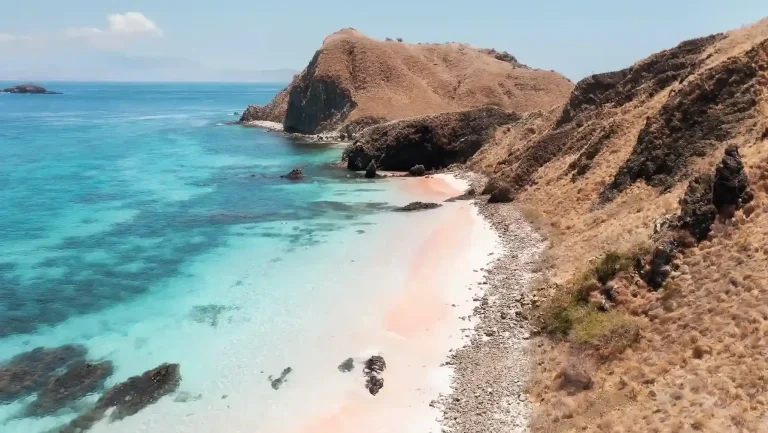
Manta Point vs Pink Beach for Snorkelers
Manta Point is an open-water manta-ray site; Pink Beach is a calm, shallow coral-sand bay with reef fish but no…
Diving & Snorkelling
Water Temperature & Visibility at Manta Point
Operator-reported ranges for Manta Point: wet season (Dec-Mar) water around 27-29°C with visibility roughly 10-20 m, sometimes dropping into single…